

Dr. Ming Hon Chim
Registered Dentist
BDS (HK), MFDS RCSEd, MFDS RCPS (Glasg)
Speaks English, Cantonese, Mandarin
Dentures replace missing teeth. At Bayside Dental Tung Chung we assess patients and arrange custom-made complete and partial removable dentures for adults and older patients. Your dentist checks your gums, jawbone and remaining teeth first, then explains whether a removable denture, bridge or implant suits you and what it is likely to cost.

Book a denture assessment: Contact Us
Registered Dentist
BDS (HK), MFDS RCSEd, MFDS RCPS (Glasg)
Speaks English, Cantonese, Mandarin

Specialist in Periodontology
FCDSHK (Perio), FHKAM (Dental Surgery)
DMD (Philippines), MDS (Perio) (HK), AdvDipPeriodont (HK)
M Perio RCSEd
Speaks English, Tagalog, Cantonese, Mandarin
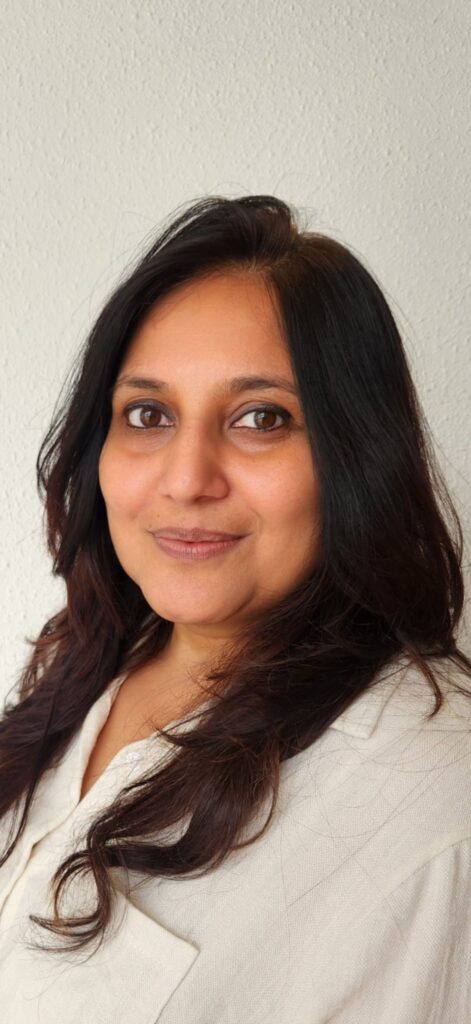
Registered Dentist
BDS (Maharashtra University of Health Sciences, India)
Speaks English, Hindi
Removable dentures can be taken out every day for cleaning. Fixed options are cemented to teeth or attached to implants and can only be removed by a dentist. Leaving a gap unfilled can let neighbouring teeth tilt and the jawbone gradually shrink. At our Tung Chung clinic, denture treatment centres on complete and partial removable dentures; for fixed options, see Crowns & Bridges and Dental Implants, and if a tooth has just been removed, see Tooth Extraction.
When an upper or lower jaw has no teeth left, a complete denture replaces the whole arch of teeth and the bone that has been lost. It rests on the gums and jaw ridge and is usually made once the gums have healed after extractions. A lower full denture tends to feel looser when a lot of jawbone has been lost; if your bone allows, implants can help hold it in place.
If you still have some natural teeth, a partial denture fills the gaps and stops the remaining teeth drifting. It clips onto your natural teeth with clasps or a framework, looks natural, and comes out for cleaning. Common base materials include the following; your dentist will advise which suits you:
| Material | Advantages | Consider |
|---|---|---|
| Acrylic | Light, more affordable, easy to adjust | Bulkier, so it can feel more noticeable at first |
| Cobalt-chrome metal framework | Thinner, strong, more stable, easier to keep clean | Usually costs more than acrylic |
| Flexible resin | Soft and gentle on the gums | Less durable; more porous, so harder to keep clean |
Two or more implants are placed in the jawbone and the denture attaches to them, which cuts down on movement. This is particularly useful when the lower jaw has lost a lot of bone. Some designs clip on and come out for cleaning (overdentures); others are fixed and can only be removed by your dentist. Suitability depends on your bone and general health, and bone grafting is sometimes needed first; your dentist will explain the assessment and treatment after examining you. See Dental Implants.
| Removable denture (complete/partial) | Bridge (fixed) | Implant (fixed, or supporting a denture) | |
|---|---|---|---|
| Can you take it out? | Yes, daily for cleaning | No | Implant crown: no. Implant denture: depends on design |
| Held in by | Gums, jaw ridge and clasps | Cemented to prepared teeth either side | Implant fused to the jawbone |
| Surgery? | No | No | Yes (implant placement) |
| Neighbouring teeth prepared? | Usually not, or only slightly | Yes | No |
| Chewing | Weaker than fixed options; take care with hard food | Close to natural teeth | Close to natural teeth; implant dentures are steadier than conventional dentures |
| Treatment time | A few weeks, over several visits | A few weeks | Usually several months for healing |
| Cleaning | Take out and brush; soak overnight | Floss threader under the bridge | Brush and floss like natural teeth |
| Often suits | Many missing teeth, a whole arch, or surgery not advisable | 1–3 missing teeth with sound teeth either side | Enough bone; want to leave neighbouring teeth alone |
The right choice depends on how many teeth are missing and where, your gums and bone, your general health, how easily you can clean the replacement and your budget. Your dentist will go through each option after examining you.
Usually suitable if you:
Treated first:
Age alone isn’t a barrier, but a few things affect which denture will work for you day to day:
Number of visits: usually several
Completion time: a few weeks in total (longer if extractions or gum treatment come first); your dentist will explain after the examination
Recovery: no downtime, but allow a few weeks to adjust
Before a denture is made, your mouth needs to be healthy. Decay, gum disease and teeth that need removing are usually dealt with first, and after extractions the gums need time to heal before a complete denture is made.
Your dentist checks your gums, jawbone and remaining teeth, takes X-rays where needed, and explains the denture type, materials, visits involved and expected cost.
Impressions record the shape of your mouth and how your jaws meet, and a dental laboratory makes the denture from them. Before it is finished, you will usually try in a wax version (depending on the denture type), so we can check tooth position, shade, shape, speech and bite.
When the denture is ready, your dentist checks the fit and bite, eases any pressure points, and shows you how to put it in, take it out and clean it. If anything rubs or feels loose in the first few weeks, come back for an adjustment.
After that, regular check-ups (for example every six to twelve months) let your dentist check the fit and the health of your gums and remaining teeth.
There is no single price for dentures. The cost depends mainly on whether you need a complete or partial denture, the materials, and whether extractions or gum treatment are needed first. These are the reference ranges from the Prince Philip Dental Hospital’s fee schedule for private patients:
| Item | Reference range (HKD) |
|---|---|
| Complete removable denture (per arch) | $15,000 – $30,000 |
| Partial removable denture (per arch) | $8,000 – $30,000 |
| Crown / bridge (per unit, for fixed options) | $7,700 – $12,000 |
These figures come from the Prince Philip Dental Hospital’s published fee schedule. They are third-party information for reference only and do not represent our clinic’s own fees; your actual fee is confirmed after an examination. As noted on our fee reference page, these ranges cover the basic treatment fee and may not include special materials or dental laboratory fees. You can ask your dentist for a quotation before any treatment starts. See our Dental Fee Reference page for other treatments.
Most of our dentists are registered with the Elderly Health Care Voucher Scheme; please check with our staff when booking whether vouchers can be used for your dentist and treatment (see Patient Information). Many medical insurance plans don’t cover dentures and cover varies by policy, so check with your insurer first; our staff can provide receipts if you need to make a claim.
Every day:
Avoid:
Handle your denture over a basin of water or a folded towel so it’s less likely to break if you drop it.
| Problem | Likely cause | What to do |
|---|---|---|
| Loose fit | Bone shrinkage, worn denture | Adhesive is only a short-term fix; see your dentist about relining |
| Sore spots | Pressure points, poor fit | Come in for an adjustment; don’t file it yourself |
| Bad odour | Bacteria build-up | Clean more thoroughly and soak regularly |
| Stains | Coffee, tea, smoking | Clean more thoroughly; cut down on smoking |
| Cracks or chips | Drops, wear and tear | Keep the pieces, don’t glue them, and bring the denture in |
Come in promptly as well if your gums stay red or bleed for more than three days, if they are receding, or if you notice pus or bad breath that doesn’t go away.
Dentures are made to fit your mouth, but they won’t feel exactly like natural teeth. In the first few weeks it’s common to notice:
Most people are comfortable within two to four weeks. If pain continues, the denture feels loose, or eating is still difficult after about a month, come back for a check.
Whether a tooth has just come out, your old denture has started to slip, or you’d like to know whether a denture, bridge or implant would suit you better, start with a check-up. Your dentist will explain your options and the expected cost. Use the buttons below to WhatsApp us, call or book online.
Bayside Dental Tung Chung is at Shop 26, Caribbean Square, 1 Kin Tung Road, Tung Chung, and our team speaks English, Cantonese, Mandarin and other languages.
The main types are removable and fixed. Removable dentures include complete dentures, for a jaw with no teeth left, and partial dentures, for when some natural teeth remain; both come out for cleaning. Fixed options include bridges and implants, which stay in. Dentures can also be held in place by implants. Your dentist will recommend a type based on how many teeth are missing and the health of your gums and bone.
It depends on how many teeth are missing, gum and bone health, general health, and whether the person can take the denture out and clean it every day. Seniors missing many or all teeth usually consider complete or partial removable dentures. If a lower full denture keeps slipping and there is enough bone, implants can help hold it. Family members can help with cleaning, and your dentist will keep ease of handling in mind.
Expect an examination with X-rays, treatment for any decay or gum disease (and extractions if needed), impressions and a bite record, a try-in, then fitting and adjustments. It usually takes several visits over a few weeks (longer if extractions or gum treatment come first); your dentist will explain after the examination.
The Prince Philip Dental Hospital’s published fee schedule lists about HK$15,000–30,000 per arch for a complete removable denture and HK$8,000–30,000 per arch for a partial denture (for reference only, not our clinic’s actual fees; your fee is confirmed after an examination). The cost depends on the denture type, materials and any treatment needed first. See our Dental Fee Reference.
Most of our dentists are registered with the Elderly Health Care Voucher Scheme; please check with our staff when booking whether vouchers can be used for your dentist and treatment. Many medical insurance plans don’t cover dentures, so check your policy with your insurer.
At first some sounds may be unclear and you may have more saliva. Your tongue needs time to adjust; reading aloud helps, and most people adapt within one to two weeks. If speech is still difficult after that, your dentist can check and adjust the denture.
It takes some time, but most people gradually get back to a varied diet. Start with soft food cut into small pieces and chew slowly on both sides. Removable dentures don’t bite as strongly as natural teeth, so take care with very hard or sticky food.
Take your dentures out daily and brush them with a soft brush and a mild denture cleaner. Don’t use regular toothpaste, which scratches the surface. Take them out before bed and leave them in water or a denture-cleaning solution so they don’t warp and your gums can rest. Avoid hot water and bleach.
Removable dentures usually last around 5–10 years, depending on the material, how well they’re looked after and changes in your mouth. The jawbone shrinks over time, so a denture can become loose and need relining. See your dentist if it feels loose, causes sore spots, cracks or makes chewing difficult. Regular check-ups help catch problems early.—