

Dr. Ming Hon Chim
Registered Dentist
BDS (HK), MFDS RCSEd, MFDS RCPS (Glasg)
Speaks English, Cantonese, Mandarin
A dental crown is a custom cap that covers and protects a damaged tooth; a bridge uses the neighbouring teeth to replace one or more missing teeth. At Bayside Dental Tung Chung, Hong Kong, we assess and restore cracked, heavily decayed and root-treated teeth with crowns. A crown usually takes 2–3 visits and is custom-made by a dental laboratory.

Registered Dentist
BDS (HK), MFDS RCSEd, MFDS RCPS (Glasg)
Speaks English, Cantonese, Mandarin
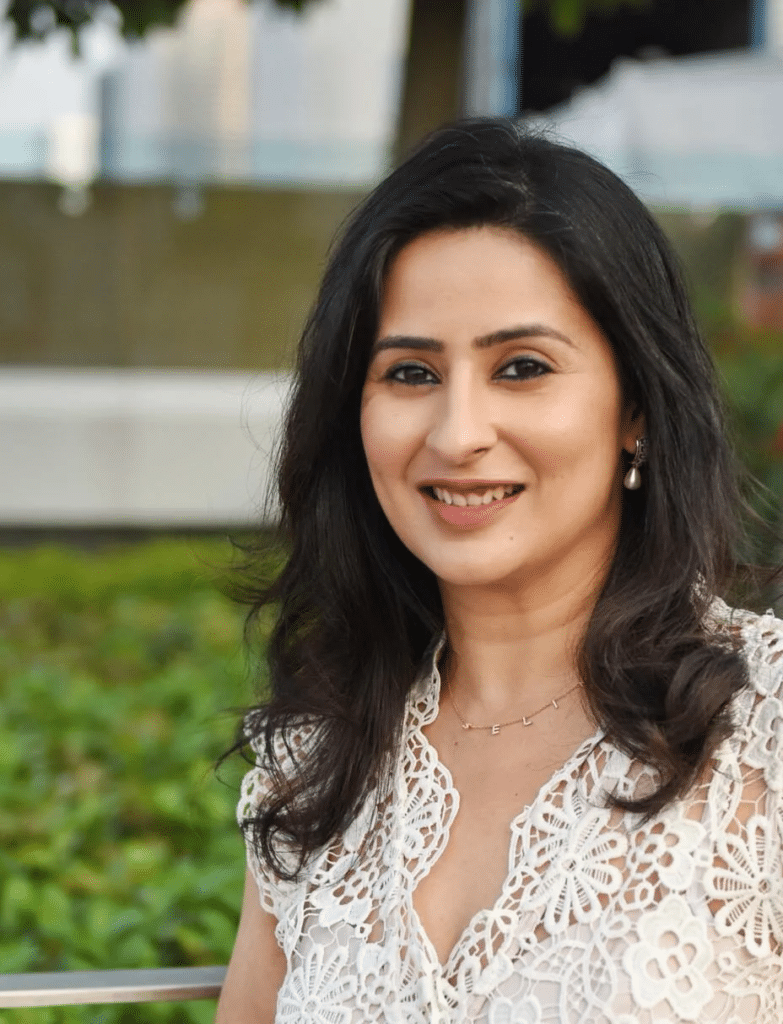
Specialist in Paediatric Dentistry
FCDSHK (Paed Dent), FHKAM (Dental Surgery)
BDS (Rajiv Gandhi University of Health Sciences, India), MDS (Paed Dent) (HK)
MPaed Dent RCSEd, MPaed Dent RCS (Eng)
Speaks English, Hindi

Specialist in Periodontology
FCDSHK (Perio), FHKAM (Dental Surgery)
DMD (Philippines), MDS (Perio) (HK), AdvDipPeriodont (HK)
M Perio RCSEd
Speaks English, Tagalog, Cantonese, Mandarin

Registered Dentist
BDS (Maharashtra University of Health Sciences, India)
Speaks English, Hindi
A crown fits over the whole tooth to rebuild its shape, strength and appearance. When decay or a fracture is too large for a filling to hold, your dentist may recommend a crown to cover and protect what remains of the tooth.
If you are missing one or more teeth, a bridge can fill the gap and stop the neighbouring teeth from drifting or the opposing tooth from over-erupting. The teeth on either side of the gap are prepared as supports, and the connected crowns and replacement tooth are cemented in place as one fixed unit.
A tooth that has had root canal treatment has lost its pulp and becomes more brittle, and back teeth that take the most chewing force are especially prone to cracking. A crown covers the whole tooth to restore its strength and helps seal out bacteria, which is an important part of long-term root canal success.
The crown is usually placed once the root canal is complete and the tooth has settled; until then, avoid biting hard foods on that side. Some front teeth may be restored in other ways, which your dentist will assess.
Our crowns are metal-free: we usually use zirconia and tooth-coloured ceramic, often called ceramic or porcelain crowns. Each material has its own balance of strength and appearance, and your dentist will recommend one based on the tooth, your bite and what remains of the tooth.
| Material | Typical use | Strengths | Consider |
|---|---|---|---|
| Zirconia | Back teeth, people who grind | Very strong, natural colour | Slightly less translucent than glass-ceramic |
| Glass-ceramic (e.g. e.max lithium disilicate) | Front teeth | Lifelike translucency | Less strong than zirconia on heavy-bite molars |
| Stainless steel | Children’s baby teeth | Pre-formed, protects a decayed baby tooth until it falls out | Baby teeth only (see Kids Dentistry) |
| Bridge | Implant | Removable denture | |
|---|---|---|---|
| How it works | Replacement tooth fixed to the teeth on either side | Implant placed in the jawbone, topped with a crown | Replacement teeth on a plate you can take out |
| Neighbouring teeth prepared? | Yes | No | Usually not (or only minor adjustment) |
| Treatment time | A few weeks | Usually several months for healing | A few weeks |
| Cleaning | Floss threader under the bridge | Brush and floss like natural teeth | Remove and clean daily |
| Often suits | Neighbouring teeth that need crowns anyway, or implants not suitable | Enough bone, wish to leave neighbouring teeth untouched | Several missing teeth, or a simpler first option |
Which option suits you depends on where the gap is, the health of the neighbouring teeth and bone, your general health and budget. See Dental Implants and Dentures.
Number of Visits: 2–3 visits
Completion Time: usually 2–3 weeks (depends on material and case)
Recovery Period: usually no downtime
We examine the tooth, take X-rays where needed, check the root and gums, and explain whether a crown suits you, the material options and the expected cost.
Under local anaesthetic, decay is removed and the tooth is shaped to make room for the crown.
A digital scan or impression records the tooth, the shade is matched, and a temporary crown protects the tooth.
When the laboratory-made crown is ready, we try it in, adjust your bite and cement it in place.
If you would like a crown completed in a single visit, we can refer you to our group’s Smith & Jain Dentists in Central, where crowns are designed, milled and fitted the same day with CEREC® (your dentist will assess whether it suits you). See the Smith & Jain Dental Crowns & Bridges page for details.
CEREC® is an acronym for “Ceramic Reconstruction”, a technology for designing and making restorations at the chairside. It stands for:
Chairside – a technology that can be done while you are in the chair.
Economical – restorations made right in the office.
Restorations – giving teeth natural beauty, function and strength.
Aesthetic – metal-free and natural tooth-coloured restorations.
Ceramic – high-quality ceramics close in composition to natural tooth structure. Developed and manufactured in Germany, CEREC® is a CAD-CAM system (Computer Assisted Design and Computer Assisted Milling) widely used worldwide, creating aesthetic metal-free restorations without impressions or temporaries, in one appointment.
Dental crowns are essentially “caps” that fit snugly over damaged or misshapen teeth. This traditional method is the one used at Bayside Dental Tung Chung.
A crown made this way needs at least two visits. The first visit typically includes preparing the damaged tooth, taking dental impressions, and fitting a temporary crown to protect your tooth for a few weeks.
The impressions are then sent to an off-site laboratory to make the final crown, which typically takes about 2 to 3 weeks. At your second visit, the crown is fitted, polished and cemented in place.
CEREC® crowns (available at our group’s Smith & Jain clinic in Central) remove the wait of around three weeks.
Instead of sending an impression to a lab, the dentist makes your permanent crown in the clinic during your first visit, so there is no need to wear a temporary crown.
The traditional process also involves taking an impression of the teeth. A key advantage of CEREC® is that no impression trays are needed, which is more comfortable and less likely to trigger the gag reflex.
Instead of bulky impression trays, a digital scanner makes a 3D map of your teeth and transfers it to the computer.
Crowns are a long-term restoration and typically last 10–15 years, often longer with good care, but they are not permanent. The crown itself can’t decay, but the edge where it meets your natural tooth can, and that is a common reason crowns need replacing.
If you also have severe pain, swelling or a broken tooth, see our Emergency Dentist page.
Cost depends mainly on the material, the tooth’s position, whether a root canal or other treatment is needed first, and how many teeth a bridge involves. The ranges below are from the Prince Philip Dental Hospital’s published fee schedule (third-party public information, for reference only):
| Item | Reference range (HKD) |
|---|---|
| Crown / bridge (per unit) | $7,700 – $12,000 |
| Single implant crown | $11,200 – $30,000 |
| Stainless steel crown (baby tooth) | $2,000 – $4,000 |
These are Prince Philip Dental Hospital reference fees, for reference only and not our clinic’s actual fees; your fee is confirmed after examination.
Your actual fee is confirmed only after an examination, and we explain the expected cost before any treatment starts. See our Dental Fee Reference page for more.
We check the root, gums and bite to confirm a crown is the right option before starting.
Front teeth need aesthetics, back teeth need strength; your dentist explains the trade-offs.
Each crown is made to your tooth’s shape and shade, then tried in and adjusted before fitting.
Treatments that often go together can be planned at the same clinic.
Monday to Friday 09:30–18:30, Saturday 09:30–13:30, Sunday 09:00–13:00 (closed on public holidays), making follow-up visits easier to fit in.
Our team speaks English, Cantonese, Mandarin and other languages.
If a tooth has cracked, you’ve had a root canal or you have a gap, book a check-up and your dentist will explain the right restoration and the expected cost.
The tooth is numbed with local anaesthetic before it’s prepared, so most people feel only pressure or vibration. For a day or two after fitting, the tooth may be a little sensitive to hot, cold or biting; this usually settles. If pain lasts more than a few days or it hurts to bite, contact us.
Usually 2–3: the first to examine and prepare the tooth, take an impression and fit a temporary crown, then a return visit to fit and adjust the lab-made crown. The whole process usually takes 2–3 weeks, depending on the material and case.
At Bayside Dental Tung Chung, crowns are made by a dental laboratory and usually take 2–3 visits over 2–3 weeks. If you would like a crown completed in a single visit, we can refer you to our group’s Smith & Jain Dentists in Central, where same-day CEREC® crowns are available; your dentist will assess whether it suits you.
Typically 10–15 years, often longer with good care. Decay at the crown edge, chipped porcelain or gum recession can mean a crown needs replacing, which regular check-ups help catch early.
In most cases it’s recommended, especially for back teeth, because a root-treated tooth is more brittle. Some front teeth can be restored in other ways; your dentist will advise.
Glass-ceramic crowns (such as e.max) are closer to natural teeth in translucency and are often used at the front. Zirconia is stronger and suits back teeth that take heavy chewing forces or people who grind. Your dentist will recommend a material based on the tooth and your bite.
A bridge needs the teeth on either side prepared as supports and is quicker; an implant leaves neighbouring teeth untouched but needs enough bone and usually several months. It depends on the gap, the neighbouring teeth and your bone; your dentist will explain after an examination.
The crown can’t decay, but the edge where it meets your natural tooth can, so brushing, flossing and regular check-ups still matter.
No, crown materials don’t respond to whitening. If you plan to whiten, finish whitening first and have the crown matched to your new shade.
The Prince Philip Dental Hospital’s published range for a crown or bridge is HK$7,700–12,000 per unit (for reference only, not our clinic’s actual fees). Your actual fee depends on the material, the tooth and whether other treatment is needed, and is confirmed after an examination. See our Dental Fee Reference.
