
Snoring & Sleep Apnoea Treatment in Tung Chung
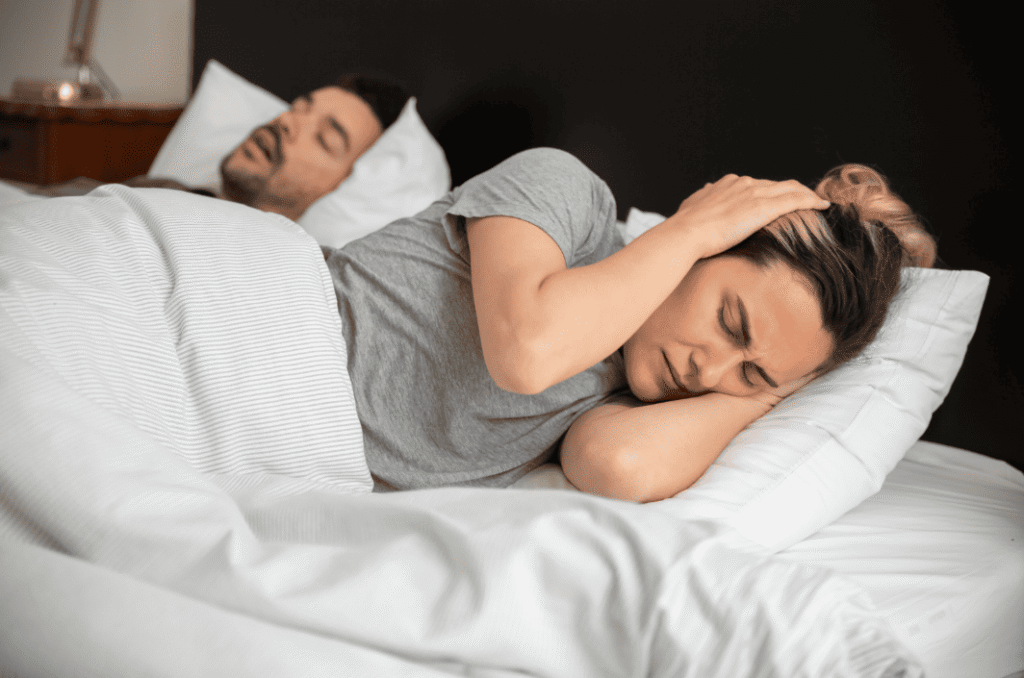
Is snoring causing restless nights in your household? Loud, persistent snoring can sometimes be a warning sign of sleep apnoea. At Bayside Dental Tung Chung we offer adults two things: at-home sleep screening with the Pranaq TipTraQ monitor, and a custom-made anti-snoring mouthguard (a mandibular advancement device, or MAD) based on your results. If your screening suggests moderate to severe sleep apnoea, we’ll recommend a referral to a doctor or sleep specialist for further assessment.
Book a consultation to find out which option suits you.
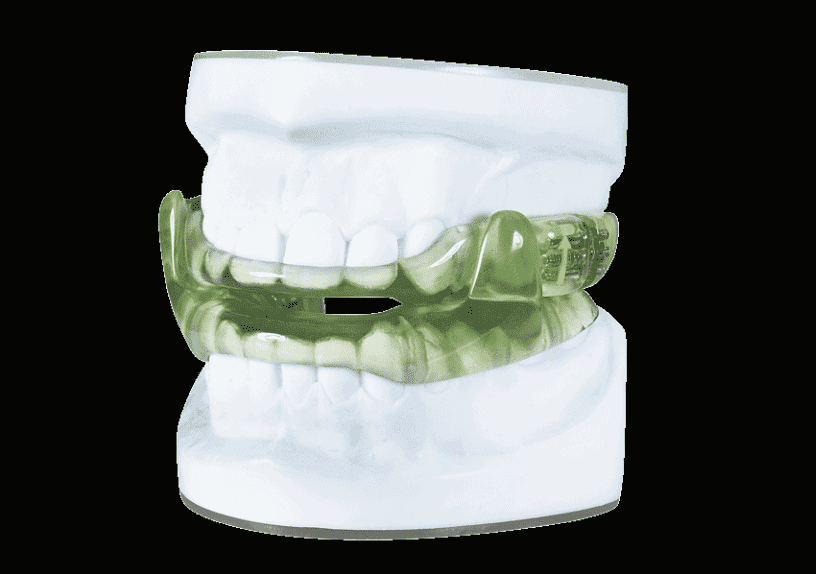
What are Mandibular Advancement Devices (MADs)?
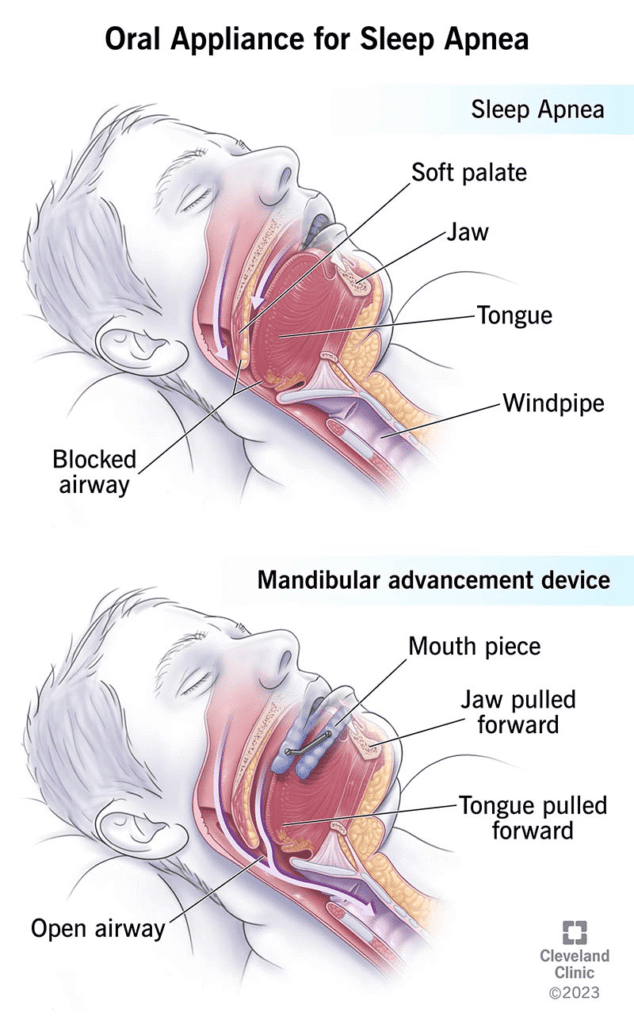
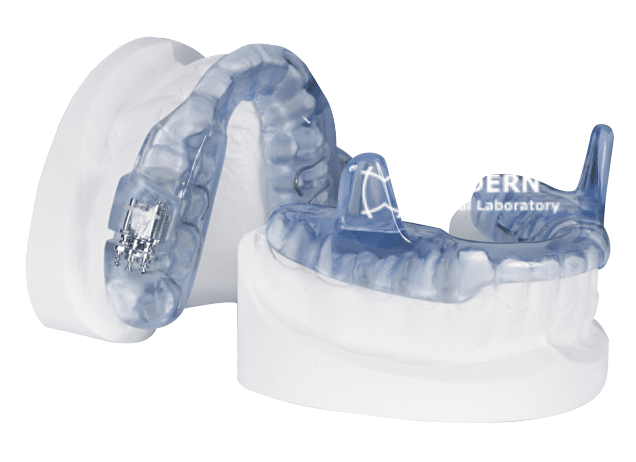
Imagine a slim, custom-made mouthguard that you pop in before bed. That’s a Mandibular Advancement Device (MAD), often called an anti-snoring mouthguard. Its job is to gently ease your lower jaw into a slightly forward position. This tiny shift of about 3–4mm is often the key to reducing snoring and keeping breathing smooth all night long.
How does this little device make a big difference?
- Repositions the Jaw and Tongue: The forward motion stops your tongue from falling back and blocking your throat while you sleep.
- Widens the Airway: It creates more room in your airway, so air flows through quietly instead of causing noisy vibrations (snoring).
- Improves Oxygen Flow: By preventing blockages, it ensures your body gets the steady oxygen supply it needs for deep, restorative sleep.
Why a Custom-Made MAD is the Gold Standard:
You might see one-size-fits-all options at the pharmacy. We advise against them for your family. Here’s why:
- They Can Be Uncomfortable: A bad fit can cause soreness and won’t stay in place, so you’re unlikely to keep using it.
- They Often Don’t Work Well: Without a precise fit, they can’t effectively position your jaw to open your airway.
- They Could Cause Problems: They might actually push your teeth out of place over time and could cause jaw issues.
Choosing a custom MAD from our local practice means:
- A Comfortable Fit: We use a quick 3D digital scan of your teeth to make a device that feels natural and secure.
- Just the Right Adjustment: We set it to the exact position that works best for you, balancing effectiveness with comfort.
- Safe for Your Smile: It’s designed to protect your teeth and jaw joints while you sleep.
- Follow-up Support: We’re right here in the neighbourhood for follow-ups and adjustments.
How We Check for Sleep Apnoea Simply & Conveniently
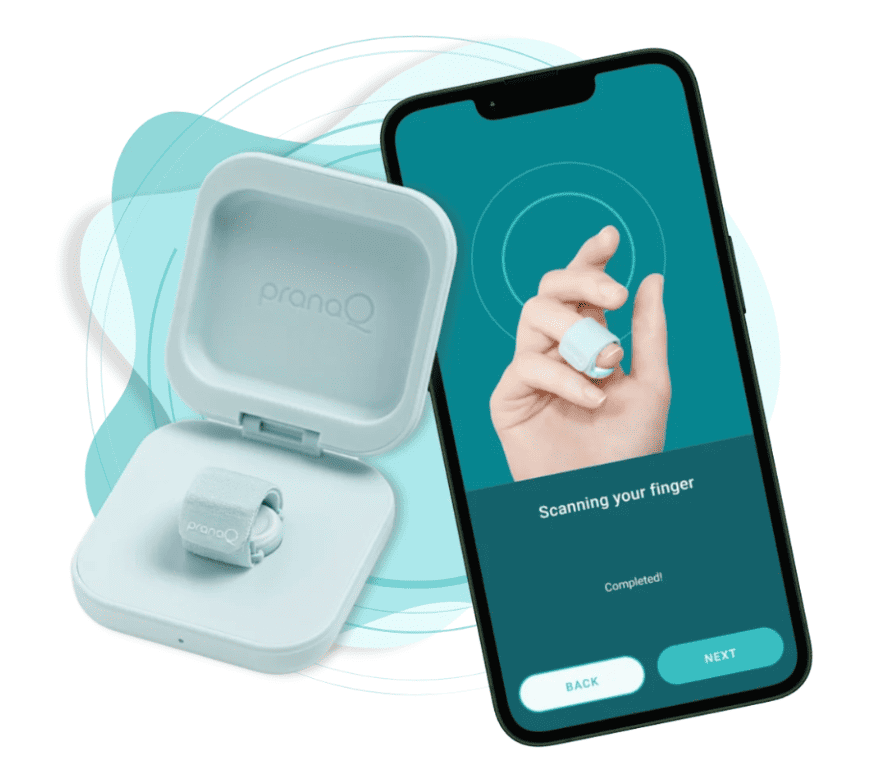
Think you might have sleep apnoea? We make checking easy with the Pranaq TipTraQ, a simple device you use at home.
1. Easy Home Test
We’ll give you a small monitor to wear on your finger for a few nights. It quietly tracks your breathing and oxygen levels while you sleep in your own bed.
2. Clear Results
We’ll sit down with you, explain what the results show in simple terms, and answer all your questions.
3. A Plan Just for You
If a MAD is the right fit, we’ll design your device based on your test data. If the results suggest moderate to severe sleep apnoea, we’ll recommend you see a doctor or sleep specialist first.
4. Scan, Fit and Review
We take a digital scan of your teeth and a dental laboratory makes the device. At the fitting we adjust how far the jaw is advanced, balancing effect and comfort, then review your bite and the device regularly.
Understanding Sleep Apnoea
Sleep apnoea is a condition where a person’s breathing stops and starts repeatedly during sleep. These pauses can happen many times an hour, pulling them out of deep sleep without them even knowing it. The result? Waking up feeling exhausted, even after a full night in bed.
The Two Main Kinds:
- Obstructive Sleep Apnoea (OSA): This is the most common type. It happens when the muscles in the throat collapse and cause a blockage.
- Central Sleep Apnoea: This is less common and occurs when the brain doesn’t send the right signals to the muscles that control breathing during sleep.
The Snoring Link: A Key Clue
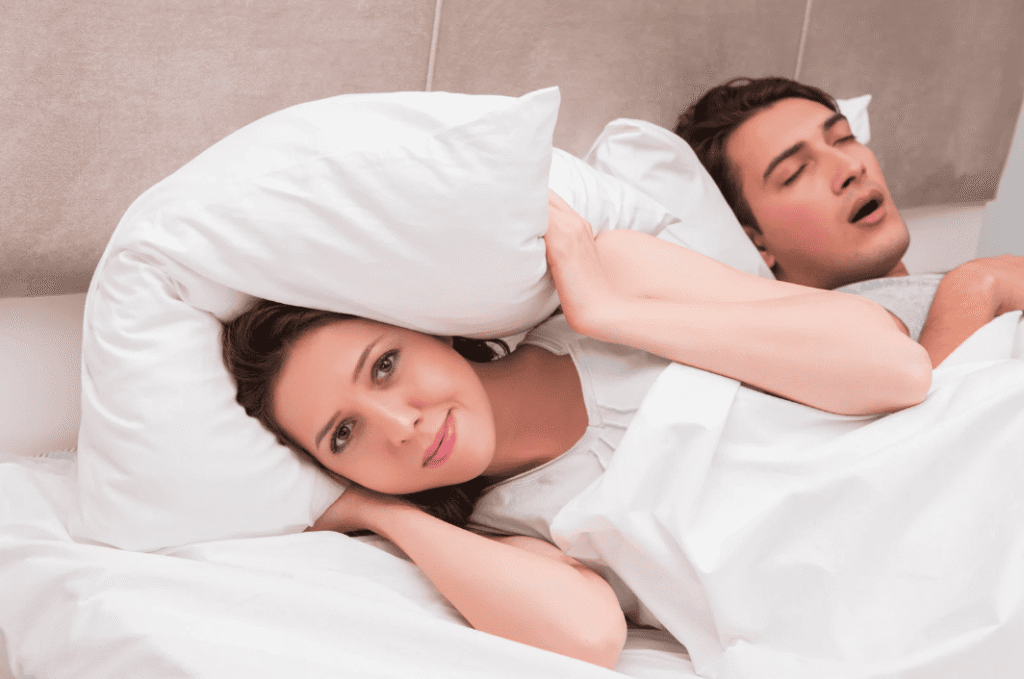
Not everyone who snores has sleep apnoea, but loud, persistent snoring is a major red flag.
- Snoring is the sound of air compressed through a narrowed airway.
- Sleep Apnoea is what happens when that airway closes completely, stopping breathing altogether.
If your snoring is interrupted by silent pauses followed by gasps or snorts, it’s time to get it checked out.
How Does Sleep Apnoea Affect Health?
Sleep Apnoea has been linked to significant impacts on general well-being, including:
Cardiovascular issues
Repeated drops in oxygen during sleep raise the risk of high blood pressure and heart disease.
Cognitive Decline
Long-term poor sleep affects memory and concentration.
Daytime Fatigue
Daytime sleepiness and mood swings affect work and driving safety.
Metabolic Disorders
Linked to a higher risk of diabetes and weight gain.
Sleep Apnoea and Your Oral Health
Many people don’t realise sleep apnoea can leave marks on the teeth. If we notice these signs at a check-up, we’ll ask about your sleep:
- Night-time grinding: The body often clenches or grinds as a reflex to reopen the airway, wearing teeth down and cracking fillings.
- Dry mouth: Mouth breathing at night reduces saliva, increasing the risk of decay and gum disease.
- Jaw joint discomfort: Constant clenching strains the jaw joints and chewing muscles, leaving your jaw sore in the morning.
Your dentist also looks out for these signs at your regular check-up and clean.
How Do You Know If You Have Sleep Apnoea? Snoring is a Key Sign
While loud, persistent snoring is a strong indicator, sleep apnoea involves pauses in breathing. It’s important to get a professional diagnosis. The journey often starts with recognising the symptoms:
- Loud, frequent snoring
- Witnessed pauses in breathing during sleep (noted by a partner)
- Gasping or choking sounds at night
- Waking up feeling unrefreshed, despite a full night’s sleep
- Daytime fatigue and sleepiness
- Morning headaches
- Difficulty concentrating
Diagnosis typically involves a sleep study. Today, this is easier than ever. While an in-lab study is an option, many patients are now given a simple, take-home monitoring device for a night or two. This device tracks your breathing, oxygen levels, and heart rate. Additionally, wearable technology like the Oura Ring, Apple Watch or other tracking devices can provide useful data on sleep patterns and oxygen saturation, which can be a useful reference, but can’t replace a proper sleep study.
Who Might Be More at Risk?
- People with a higher body weight (BMI ≥ 35kg/m²)
- A thicker neck, a set-back lower jaw or a naturally narrow airway
- Long-term nasal congestion (e.g. allergies or a deviated septum)
- Those with high blood pressure
- Smokers and regular alcohol drinkers
- People over 40
- Men are at higher risk than women
Is a MAD the Right Solution for You? It might be if you:
A MAD may be a suitable option if you:
- Snore loudly and regularly
- Have been assessed as having mild or moderate obstructive sleep apnoea
- Find it hard to use a CPAP machine, or would like to consider non-surgical options first
Moderate to severe sleep apnoea is usually treated first with a CPAP machine. Whether a MAD suits you should be decided from your sleep study results, by your doctor and dentist together.
The Benefits of Choosing a Custom Device:
- Comfortable Fit: Made for your teeth, so most people get used to it quickly.
- Less Snoring: Many people snore noticeably less, and breathing pauses may reduce. Results vary, so we review how it’s working.
- Better Sleep: For you and everyone else in the house.
- Simple & Portable: No machines, no cords, no noise. Easy at home and when travelling.
- Easy Care: Simple to keep clean, with regular reviews.
Anti-Snoring Mouthguard vs CPAP: What's the Difference?
Both keep the airway open to reduce snoring and sleep apnoea, but they work differently and suit different people:
| Anti-snoring mouthguard (MAD) | CPAP machine | |
|---|---|---|
| How it works | Holds the lower jaw slightly forward during sleep to widen the airway | Delivers steady air pressure through a mask to keep the airway open |
| Usually suits | Simple snoring, mild to moderate obstructive sleep apnoea, people who can’t tolerate CPAP | Main treatment for moderate to severe obstructive sleep apnoea |
| Who provides it | Custom-made by a dentist after checking teeth and bite | Assessed and prescribed by a doctor or sleep specialist |
| What it’s like | Small, no power, silent, easy to travel with | Mask and machine; some people need time to adjust |
| Things to note | Teeth or jaw may ache at first; needs enough stable teeth to hold it | Mask may cause a dry nose or pressure marks |
Which one suits you depends on your sleep study results and personal situation.
Wearing a MAD: Adjustment, Side Effects and Care
- Getting used to it: For the first few weeks your teeth or jaw may feel a little achy in the morning, and you may have more saliva or a drier mouth. This usually eases.
- Bite changes: Long-term use can slightly change your bite, which is why regular reviews matter.
- When to come back sooner: Ongoing jaw joint pain, loose teeth, a bite that feels wrong, or a cracked or loose device.
- Daily cleaning: Rinse and brush it with water and a soft brush each morning, then store it dry in its case. Avoid hot water, which can warp it.
- How long it lasts: Usually several years, depending on wear and changes in your mouth. It wears faster if you grind your teeth at night.
Book Your Sleep Apnoea Consultation Today!
Take the first step towards better sleep and health. Contact us to book a consultation with our dental team.
Frequently Asked Questions
Do anti-snoring mouthguards work?
For snoring caused by the airway narrowing during sleep, and for mild to moderate obstructive sleep apnoea, a custom mouthguard holds the lower jaw slightly forward to reduce blockage, and many people snore noticeably less. Results vary, and it helps less if snoring is mainly caused by a blocked nose or other factors. We review you after fitting and may repeat a sleep test to confirm the effect.
What's the difference between a pharmacy mouthguard and a custom one?
Off-the-shelf “boil-and-bite” guards come in a few sizes, may not fit well, and can’t be precisely adjusted. If they’re uncomfortable you’re unlikely to keep using them, and a poorly fitting device worn long term can shift your teeth. A custom device starts with a check of your teeth and bite, is made from a scan of your teeth, adjusted step by step and reviewed regularly.
How much does a sleep apnoea mouthguard cost?
It depends on whether you need a sleep screening, the type of device and how many adjustment visits are needed. After your assessment we’ll explain what’s needed and the fees, so you can decide before going ahead.
How long does it take to get one, and how many visits?
The usual steps are a consultation and dental check, an at-home sleep screening, a results review, then a digital scan sent to a dental laboratory. Once the device is ready we fit and adjust it, then review regularly. Timing and number of visits vary, and we’ll explain them at your consultation.
Does it hurt? Are there side effects?
It shouldn’t hurt, but for the first few weeks your teeth or jaw may ache a little in the morning, and you may have more saliva or a drier mouth. This usually eases. Long-term use can slightly change your bite, so regular reviews are needed. If jaw joint pain or tooth discomfort persists, come back sooner.
Does snoring always mean sleep apnoea?
No. Many people snore without their breathing stopping. If your snoring is loud and frequent, with pauses in breathing, gasping or severe daytime tiredness, it’s worth having a sleep test.
How do I know if I have sleep apnoea? Do I need a sleep test?
Yes, diagnosis needs a sleep study, either at a sleep centre or with a home monitor. We use the Pranaq TipTraQ: you wear it on your finger at home for a few nights to record breathing and oxygen levels, then we go through the report with you. If the results suggest moderate to severe sleep apnoea, we’ll recommend a referral to a doctor or sleep specialist.
Do I have to use a CPAP machine for sleep apnoea?
CPAP is usually the main treatment for moderate to severe obstructive sleep apnoea. People with mild to moderate sleep apnoea, or who can’t tolerate CPAP, may consider a mouthguard. Which suits you should be decided from your sleep study results, by your doctor and dentist together.
Can I wear one if I have dentures or gum disease?
The device is held in place by your teeth, so you need enough stable teeth. Full dentures usually aren’t suitable. If you have gum disease or decay, these are usually treated first before we assess whether a device suits you.
What if my child snores?
Snoring in children is often linked to enlarged tonsils or adenoids and should first be assessed by a paediatrician or ENT doctor; anti-snoring mouthguards are mainly designed for adults. If your child also breathes through their mouth or grinds their teeth, you can book a children’s dental check.
How long does it last and how do I clean it?
Usually several years, depending on wear and changes in your mouth; it wears faster if you grind your teeth. Brush it with water and a soft brush each morning, store it dry in its case and avoid hot water. Bring it along to your reviews so we can check it.