
Dr. Purvi Ankit Gohil
General Dentist
Bachelor of Dental Surgery of the Maharashtra
University of Health Sciences, Nashik, India (2003)
Speaks English, Hindi
Root Canal Treatment (RCT) is a dental procedure to treat infected or painful teeth by removing the infected pulp and sealing the tooth to prevent further infection. Don’t ignore symptoms like toothache, swelling, or sensitivity, these could mean you need a root canal. Contact us today to save your tooth and restore your oral health!
General Dentist
Bachelor of Dental Surgery of the Maharashtra
University of Health Sciences, Nashik, India (2003)
Speaks English, Hindi

General Dentist
Bachelor of Dental Surgery of the University of Hong Kong (2013)
Speaks English, Cantonese, Mandarin
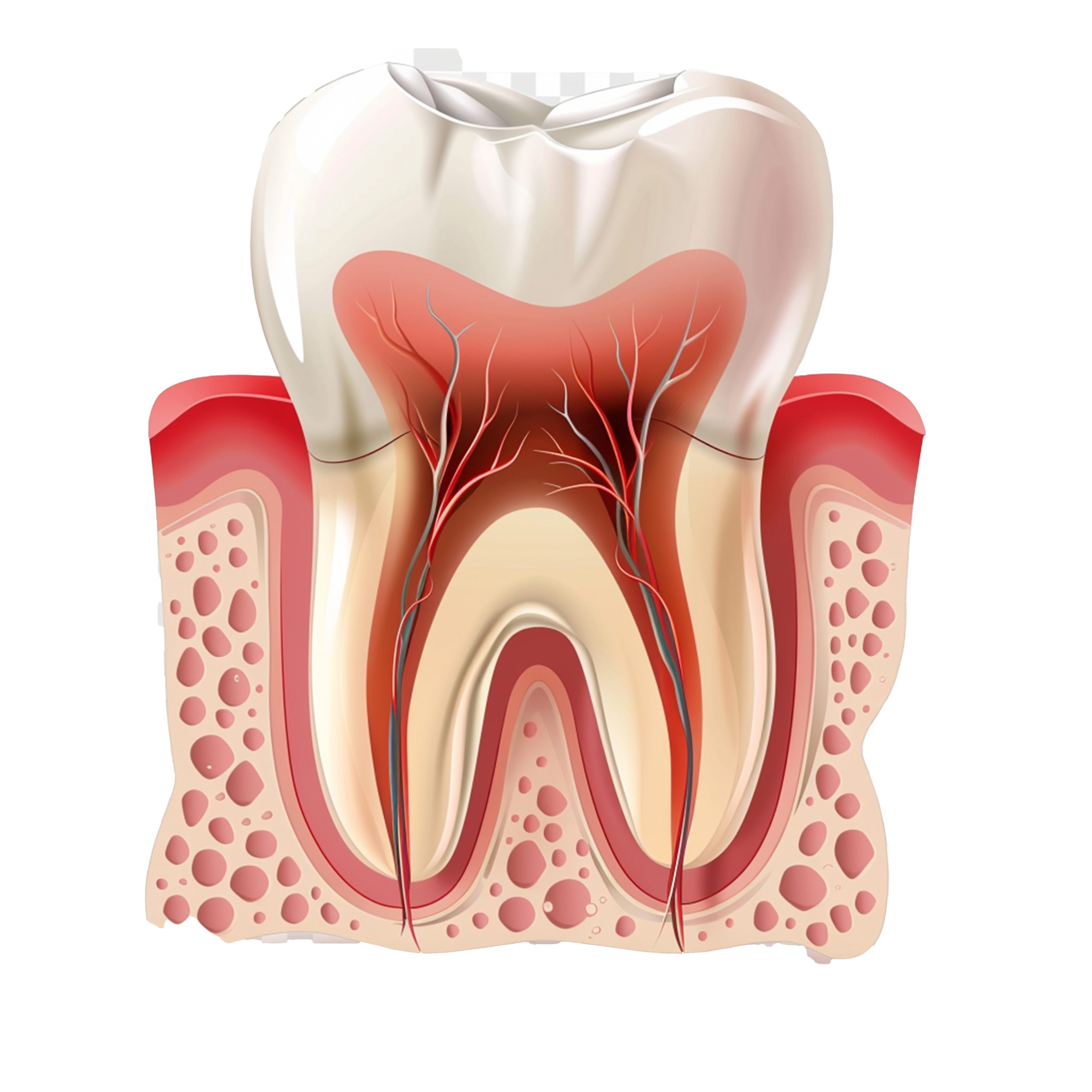
Root canal treatment (RCT, also called endodontic treatment) is a common procedure for a tooth whose pulp has become infected or inflamed. Inside every tooth root is a network of tiny channels, the root canal system, which houses the pulp: the nerves, blood vessels and connective tissue running from the pulp chamber down to the tip of each root.
When deep decay, a crack or trauma lets bacteria reach the pulp, it becomes inflamed and can die. Once the damage is irreversible, painkillers and fillings can no longer save it. RCT removes the infected pulp, disinfects and seals the canals, so you keep your natural tooth instead of extracting it.
RCT is needed when the pulp becomes irreversibly infected or inflamed. Common causes include:
Sometimes there are no obvious symptoms and the infection is only found on X-ray, which is why regular check-ups matter. Delaying treatment can let the infection spread, and the tooth may become impossible to save, needing an implant or bridge instead.
If you experience any of these symptoms, it’s essential to seek professional dental care immediately.
The idea that root canals are agonising is the biggest myth. Modern RCT is done to relieve pain, not cause it:
Number of Visits: 1 – 3 (simpler front-tooth cases 1–2; molars with more canals 2–3)
Appointment Time Per Visit: 60 – 90 minutes
Recovery: no downtime needed
We start with a detailed consultation, taking X-rays and digital scans to understand how far the infection has reached and the shape of the canals, then explain your treatment plan and the likely number of visits.
Once cleaned and disinfected, the canals are tightly sealed with a biocompatible material (usually gutta-percha) to keep bacteria out; the access opening is closed with a temporary filling until the permanent restoration.
A treated tooth loses its pulp supply and becomes more brittle and prone to fracture, so a crown is usually recommended afterward to cover the whole tooth, restore strength and appearance, and seal out bacteria. It is a key part of long-term success (see Crowns & Bridges).
There is no single price. It mainly depends on:
Market reference (for reference only): according to the Prince Philip Dental Hospital (PPDH) public fee schedule, root canal treatment is around HK$6,600–$25,000 per tooth.
This reflects general Hong Kong market fee levels, citing the PPDH public fee schedule, and does not represent Bayside Dental Tung Chung’s own pricing; the actual fee depends on the tooth type and complexity after examination. Full fee notes: Dental Fee Reference.
Want an estimate for your case? WhatsApp us and the dentist will explain after a check-up.
When feasible, saving your natural tooth (root canal + crown) is usually the first choice:
Extraction and replacement (implant/bridge) become necessary when the tooth is too damaged to save, when a root canal fails and cannot be redone, or when severe gum disease has destroyed its support. Implants are excellent replacements but involve surgery, higher cost and longer treatment (see Tooth Extraction / Wisdom Teeth, Dental Implants).
Most of the time, yes. A treated tooth loses its pulp supply and becomes more brittle and prone to fracture, especially the molars that take the most chewing force. A crown covers the whole tooth, restores strength and appearance, and helps seal out bacteria for long-term success. Some front teeth may be restored differently, and your dentist will advise (see Crowns & Bridges).
Root canal treatment is safe with a high success rate: per endodontic literature (e.g. the American Association of Endodontists), 10-year success rates often exceed 90%. Occasionally, though, a treated tooth can get re-infected or heal poorly. Common reasons include:
If this happens, the dentist can assess whether a root canal retreatment is possible: reopening, cleaning and resealing the canals; complex cases may need referral. Completing the crown promptly and keeping up regular check-ups is the best way to keep the risk of failure low.
If you develop severe swelling, persistent pain or fever during recovery, the infection may not be controlled, so contact our Emergency Dentist service promptly.
Bayside Dental is located at Caribbean Square, 1 Kin Tung Road, Tung Chung, serving Tung Chung, Yat Tung and nearby communities. Don’t let a toothache wait. If you have persistent pain, lingering sensitivity or gum swelling, book an assessment with our dentists to treat it early and save your natural tooth.
⚠ Severe pain or facial swelling can be an emergency: see our Emergency Dentist service.
If you’re experiencing tooth pain or believe you might need a root canal, don’t wait; contact us to schedule your consultation.
The procedure is done under local anaesthetic, much like a filling, so usually no significant pain. RCT is done to relieve pain. Mild tenderness for a few days afterward is normal.
Usually 1–3 visits (simpler front-tooth cases 1–2; molars with more canals 2–3) of about 60–90 minutes, depending on the tooth and canal complexity.
Mainly the tooth position and number of canals (front teeth fewest, molars most), the complexity, whether retreatment is needed, and the crown afterward. Market reference: around HK$6,600–$25,000/tooth (PPDH public fees, for reference only).
Usually yes. A treated tooth is more brittle, and a crown protects it from fracture and supports long-term success.
Avoid hard food on it until the crown is placed, keep up oral hygiene, and return for follow-up; see a dentist promptly for severe swelling or fever.
RCT is safe with a high success rate: per endodontic literature (e.g. the American Association of Endodontists), 10-year success rates often exceed 90%. Occasionally a tooth can get re-infected, from complex hidden canals, an inadequate crown letting bacteria in, or a new crack or decay, so completing the crown and regular check-ups matter.
With thorough cleaning, a timely crown and good oral hygiene, a root-canal-treated tooth can last many years, often a lifetime (10-year success data as above).
When feasible, saving the tooth (root canal + crown) is usually preferred: it keeps your natural root and chewing function, is less invasive, and is generally cheaper up front. Extraction + implant/bridge is considered only when the tooth cannot be saved.
Not until the anaesthetic fully wears off (to avoid biting yourself). After that you can eat normally, but avoid hard food on that tooth and chew on the other side until the permanent crown is placed.