📚2026 Orthodontic Treatment: At a Glance
- 💰 Estimated Costs:
- Clear aligners (Invisalign) – full upper and lower arches: $60,000 – $80,000 (HKD);
- Traditional fixed braces – full mouth: $45,000 – $70,000 (HKD);
- Final cost varies depending on individual case complexity.
- 🦷 Optimal Age for Teen Orthodontics:
- Ages 9–14: Jaw bone is highly adaptable, offering the most efficient treatment results
- Ages 12–15: Most permanent teeth have erupted, ideal for comprehensive orthodontic treatment
- 🤔Will braces affect school life?
- Some mild discomfort is normal during the first few days, but most students adjust within 1–2 weeks. With removable aligners like Invisalign, students can easily manage eating, brushing, and sports throughout the school day
Related Reading:International Journal Of Community Medicine And Public Health
Why Teen Orthodontics Hong Kong is Worth Considering
Crowded Teeth – The Hidden Culprit Behind Cleaning Difficulties
- Crooked, overlapping, or misaligned teeth don’t just affect appearance—they can also lead to a range of oral health issues.
- Why it matters:
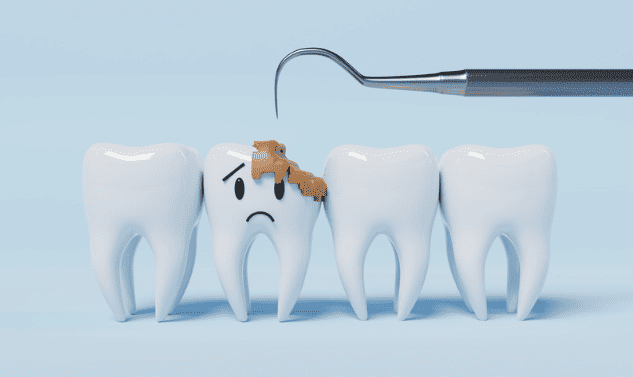
- Misaligned teeth create hard-to-reach areas where toothbrush bristles simply can’t penetrate
- Food debris easily gets trapped, significantly increasing the long-term risk of cavities and gum inflammation
- In severe cases, it may affect a child’s confidence, making them hesitant to smile openly or even impacting social interactions
- How orthodontics can help:
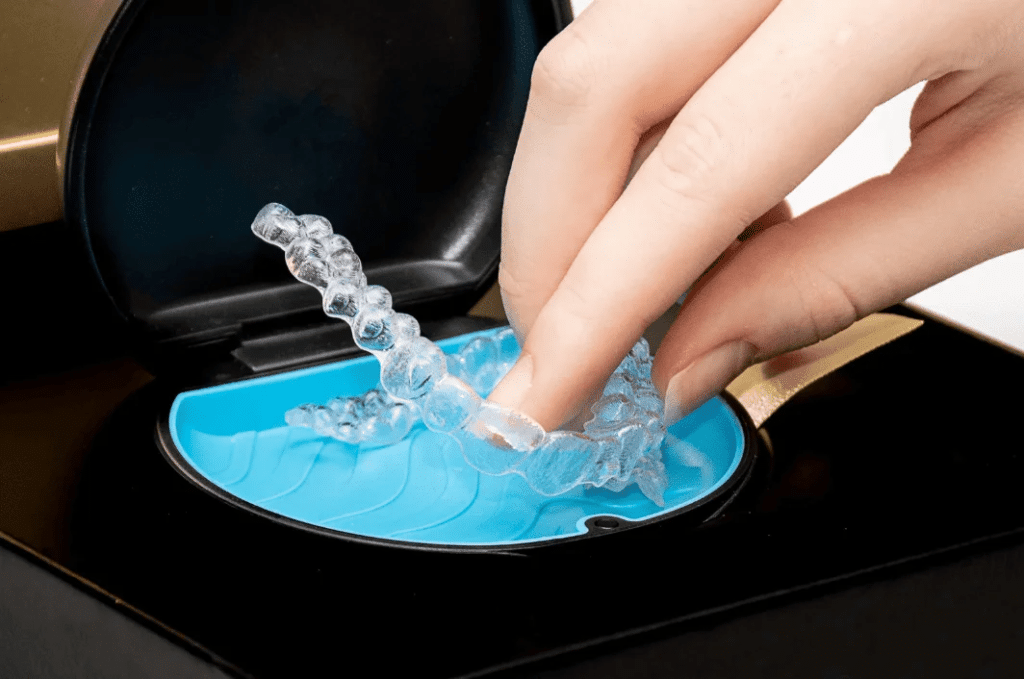
- Straightening teeth through orthodontic treatment makes cleaning simple and effective, addressing the root cause of cavities and gum disease. Clear aligners like Invisalign can be removed for brushing and flossing, helping to prevent decay during treatment—a common concern known as “braces cavities.”
Bite Problems – More Than Just an Aesthetic Concern
- Bite issues don’t just affect how your smile looks—they directly impact eating, speaking, and even facial development.
- Common bite problems include:
- Protruded front teeth (overjet): Upper front teeth that stick out too far not only affect appearance but also carry a higher risk of injury from falls
- Underbite (reverse bite): Lower teeth sit in front of upper teeth, potentially affecting chewing function and facial contours
- Deep bite (excessive overbite): Upper teeth completely cover the lower ones, which may lead to abnormal tooth wear over time.
- Open bite: Front teeth don’t meet when biting down, making it difficult to bite through food (like noodles) and affecting speech
- Why early treatment matters:
- These problems don’t improve with age—they often worsen over time. Early orthodontic intervention can restore proper chewing function and protect long-term dental health.
Dental Development Issues – The Case for Early Assessment
- Some teenagers experience dental development problems that require professional evaluation and timely intervention.
- Common concerns include:
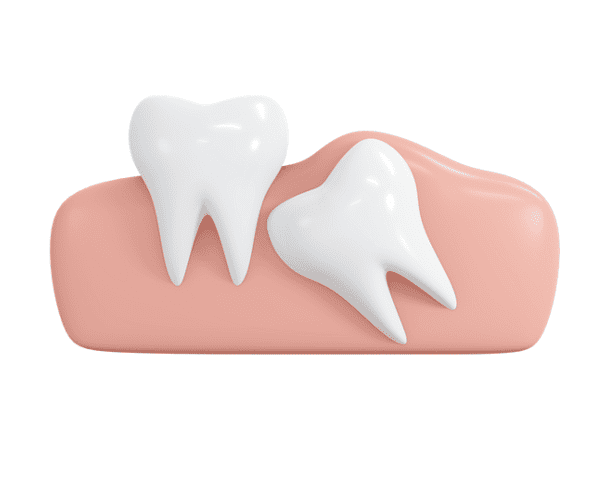
- Impacted teeth: For example, when permanent canines fail to erupt normally, they may press against neighboring tooth roots and even cause pain
- Supernumerary (extra) teeth: Extra teeth in the mouth take up space needed for normal tooth alignment
- Early loss of baby teeth: When primary teeth are lost too early, adjacent teeth may tilt, leaving insufficient space for permanent teeth to erupt properly
- How orthodontics can help:
- These situations often require orthodontic treatment combined with other procedures (such as fillings or extractions) to guide normal tooth development and prevent complications. Early assessment is key—The Hong Kong Society of Orthodontists recommends that children have their first orthodontic check-up by age 7.
💡 Gentle Reminder: Oral health issues in teenagers are often reversible with early detection. Timely care is the best way to protect long‑term dental health. A check‑up every six months helps safeguard both your child’s smile and your budget.
🔍 How to Choose Braces for Students? A Comprehensive Comparison of Treatment Options
For students, choosing an orthodontic treatment usually involves three key factors: appearance, convenience in daily life, and ease of cleaning. Below is a detailed comparison of three mainstream orthodontic options:
| Feature | Invisalign – Clear Aligners | Ceramic Braces | Metal Braces |
| Appearance | Transparent and custom‑fitted, nearly invisible | Tooth‑coloured brackets, less noticeable than metal | Metal brackets and wires, highly visible |
| Removability | Removable; can be taken out for eating, brushing, and sports | Fixed to teeth; can only be removed by a dentist | Fixed to teeth; can only be removed by a dentist |
| Dietary Restrictions | No restrictions; aligners can be removed during meals | Hard and sticky foods should be avoided | Hard and sticky foods should be avoided |
| Oral Hygiene | Can brush and floss as usual; easy to clean | Requires interdental brushes and water flossers; more cleaning steps | Requires interdental brushes and water flossers; more cleaning steps |
| Sports Safety | Can be removed during sports to avoid injury | Risk of injury during sports | Risk of injury during sports |
| Follow‑up Frequency | Approximately every 6–8 weeks | Approximately every 4–6 weeks | Approximately every 4–6 weeks |
| Comfort | Smooth material, less likely to irritate oral tissues | Brackets are smoother; some adjustment needed initially | Metal wires may cause irritation initially; requires time to adjust |
| Treatment Duration | Typically 12–24 months | Typically 12–24 months | Typically 12–24 months |
| Best Suited For | Mild to moderate alignment issues; patients who value aesthetics and easy cleaning | Patients seeking a discreet option but not suitable for clear aligners | All types of orthodontic cases; especially suitable for complex bite issues |
✅ How to Choose the Right Orthodontic treatment?
| If you… | Recommended Option |
| Care about appearance and prefer a discreet treatment | Clear Aligners (Invisalign) or Ceramic Braces |
| Are active in sports and concerned about injuries | Clear Aligners (Invisalign) – removable during sports |
| Want to maintain dietary freedom | Clear Aligners (Invisalign) |
| Prefer simple oral hygiene with less maintenance | Clear Aligners (Invisalign) |
| Have complex orthodontic issues (e.g., severe crowding, malocclusion) | Metal Braces or Ceramic Braces |
| Worry about losing or forgetting to wear aligners | Metal Braces or Ceramic Braces |
💡Gentle Reminder: The choice of orthodontic treatment should be made together with your dentist based on your dental condition, lifestyle, and treatment goals. Feel free to book a consultation—we’re here to provide you with professional, personalised advice.
Want to learn more about orthodontics? Check out our previous blog post: Complete Guide to Braces.
🏥Our Invisalign – Invisible Braces Approach
- We are dedicated to protecting your child’s smile through professional Invisalign treatment:
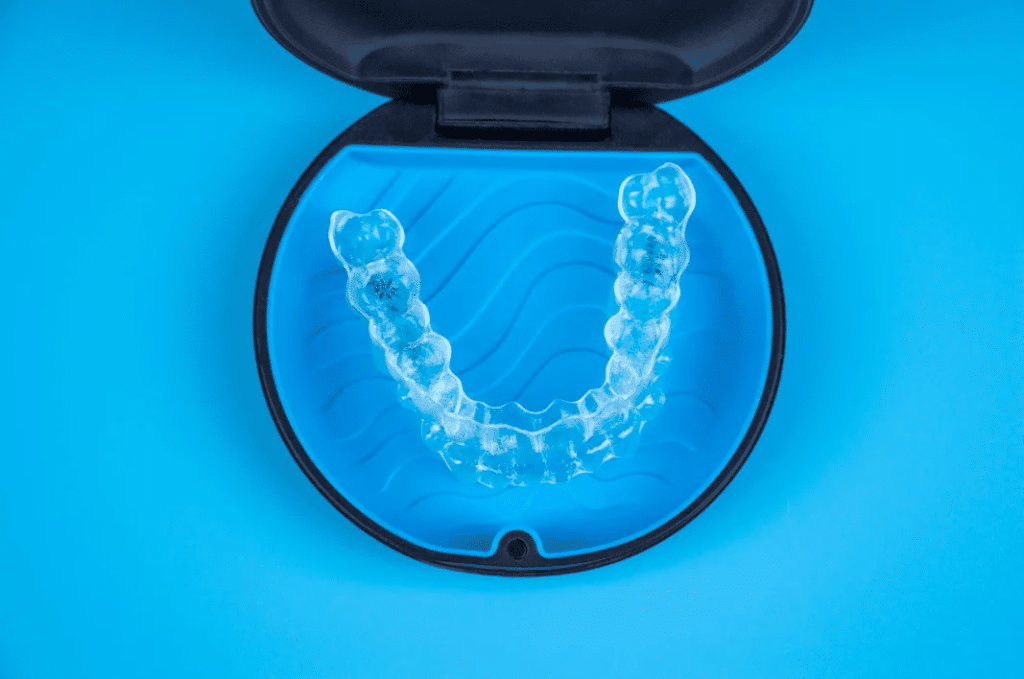
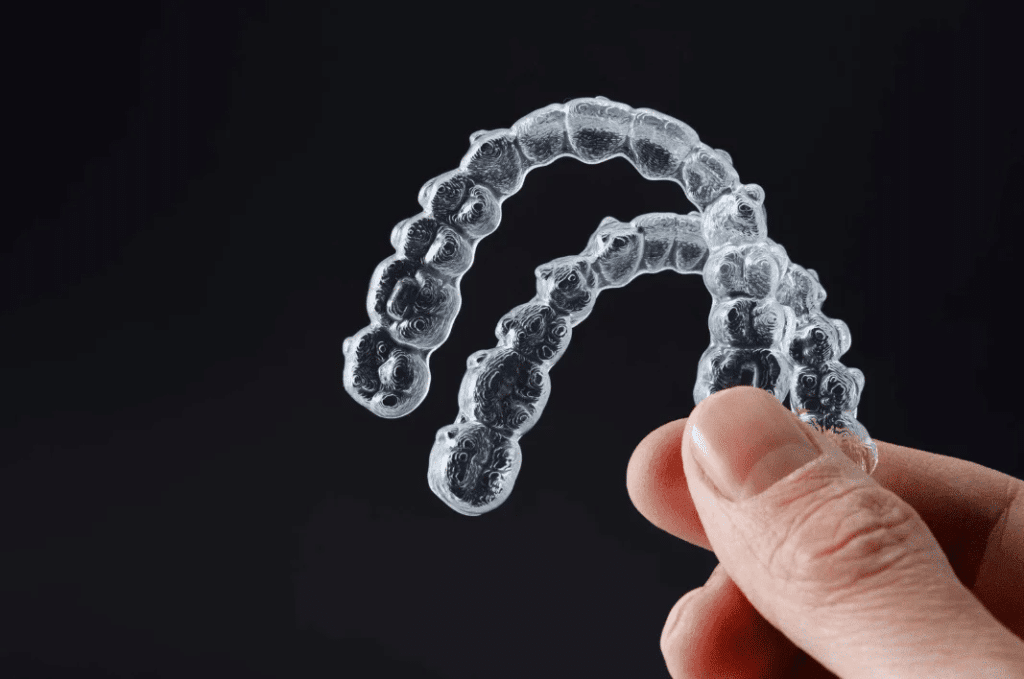
- Whether your child is dealing with crowded teeth, bite issues, or developmental concerns, Invisalign clear aligners can be tailored to address their specific needs. These custom-made aligners are designed to fit comfortably and gradually shift teeth into their ideal positions—making them a popular choice among teenagers and students who want a discreet way to correct misaligned teeth.
- A full Invisalign treatment typically requires 12 to 15 visits and takes approximately 12 months to 24 months to complete, depending on individual case complexity. There is no downtime required. The process is usually divided into the following three key steps:
✅ Step 1: Initial Consultation and 3D Imaging
We start with a detailed consultation where we take photos, X-rays, and digital scans of your teeth. Using this information, we create a custom ClinCheck 3D treatment plan that maps out how your teeth will move over time.
✅ Step 2: Custom-made aligners
Based on the 3D treatment plan, we provide you with a series of custom-made aligners. You will wear each aligner for about 1-2 weeks before moving to the next set, progressively shifting your teeth into the desired position.
✅ Step 3: Progress monitoring
You’ll visit our clinic every 6-8 weeks to monitor your progress and receive new sets of aligners. After completing the treatment, we will provide retainers to maintain your new smile.
2026 Orthodontic Treatment Fee Reference
Treatment costs vary depending on individual needs, such as treatment duration and whether additional procedures are required. The following fee ranges are based on the private patient fee schedule of The Prince Philip Dental Hospital and are intended for reference only:
| Treatment | Fee (HKD) |
| Treatment Planning | $2,000 – $3,000 |
| Clear Aligner – 1 Arch | $45,000 – $50,000 |
| Clear Aligner – 2 Arch | $60,000 – $80,000 |
| Fixed Appliance – Single Arch | $35,000 – $50,000 |
| Comprehensive Fixed Appliances | $45,000 – $70,000 |
| Lingual Fixed Appliances | $100,000 – $200,000 |
| Removable Appliance/Functional Appliance | $24,700 – $35,000 |
| Herbst Appliance | $24,200 – $35,000 |
| Rapid Maxillary Expander / Transpalatal Bar / Lingual Holding Arch Bar / Space Maintainer (Band-Loop Type) | $24,800 – $35,000 |
| Retainer (per visit) | $1,500 – $2,500 |
💡Gentle Reminder: The above prices are for reference only. Actual fees depend on the clinic’s equipment, the doctor’s experience, and the complexity of the case. We recommend consulting your dentist for an accurate quote before starting treatment.
Bayside Dental Tung Chung | Same‑Day Appointments Available
Frequently Asked Questions About Orthodontics for Teenagers
How much does orthodontic treatment cost?
The cost of orthodontic treatment varies depending on the type of braces, case complexity, and the dentist’s experience. Reference fees based on The Prince Philip Dental Hospital’s private patient fee schedule are as follows:
• Comprehensive Fixed Appliances – approximately $45,000 – $70,000(HKD)
• Invisalign Clear Aligners (Upper and Lower Arches) – approximately $60,000 – $80,000(HKD)
What is the ideal age to start orthodontic treatment?
Generally, children should have their first orthodontic evaluation by age 7, allowing the dentist to determine whether early intervention is needed. The golden window for treatment is typically divided into two stages:
• Early intervention (ages 9–12): Focuses on specific issues such as impacted teeth or insufficient space. Limited orthodontic treatment at this stage can help guide the proper eruption of permanent teeth.
• Comprehensive treatment (ages 12–15): By this time, most permanent teeth have erupted, while the jaw is still growing. This makes tooth movement faster and treatment more efficient.
Are clear aligners (Invisalign) suitable for teenagers?
Yes. Clear aligners (Invisalign) are suitable for patients of all ages, including teenagers. Their transparent design allows students to go about their school life without worrying about the appearance of braces. The removable design is a major advantage—daily cleaning, eating, and sports activities are all unaffected.
At Bayside Dental Tung Chung, we use advanced digital scanning technology to create custom‑made clear aligners for each patient, ensuring greater precision and comfort.
What is the difference between metal braces and ceramic braces?
Both are types of fixed braces. The main difference lies in their appearance:
• Metal Braces: Made of high‑grade stainless steel. Highly durable and suitable for all types of orthodontic cases, especially complex bite issues.
• Ceramic Braces: Made of translucent ceramic material that blends with the natural colour of teeth, making them less noticeable than metal braces. They are a good choice for patients who want a more aesthetic option but are not suitable for clear aligners.
Both types work on the same orthodontic principles; ceramic braces simply offer a more discreet appearance.
How can students maintain oral hygiene at school?
For students using Invisalign clear aligners, simply remove them and brush and floss as usual. Other ways to keep the mouth fresh during school hours include rinsing with water after meals or chewing sugar-free gum to stimulate saliva production. Our dentists will provide detailed guidance on maintaining oral hygiene during orthodontic treatment.
Keep in mind that the need for orthodontic treatment and the best time to start should always be determined by a qualified dentist based on individual assessment.
How long does orthodontic treatment take, and how often are follow‑up appointments?
Treatment duration varies depending on the individual case, generally taking around 12 to 24 months.
• Clear Aligners (Invisalign): Follow‑up appointments are generally less frequent, approximately 6–8 weeks.
• Fixed Braces (Metal and Ceramic): Adjustments are typically required every 4–6 weeks.
The actual treatment timeline and number of visits depend on tooth movement progress and the specific orthodontic plan.
Ready to share your smile?
📞Feel free to get in touch with us, or visit Bayside Dental Tung Chung to experience professional dental care firsthand. Whether you need a routine check‑up or specialist treatment, our experienced team of dentists is always here to help.