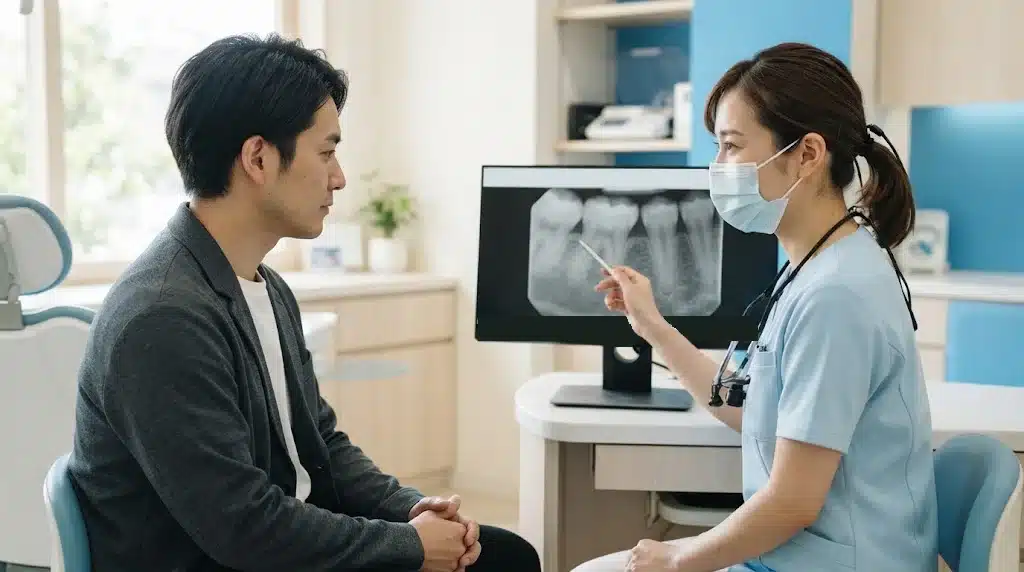

Do You Need Wisdom Teeth Removal? From Causes to Surgery Explained
📌 Wisdom Teeth Removal: Key Takeaways
What they are: Third molars, usually erupting between ages 17 and 25. Sitting furthest back, they are prone to infection, decay and crowding.
Do they all need removing? No. Healthy, well-aligned, symptom-free ones can stay; impacted, repeatedly infected or decayed ones usually should come out.
The procedure: Carried out under local anaesthetic, so you generally won’t feel pain during it. Simple cases take minutes; impacted teeth may need a small gum incision, typically 20 to 40 minutes.
Recovery: Bite on gauze, apply ice, avoid straws, and skip strenuous exercise for 48 hours. Swelling peaks around day 2 to 3, then eases.
Cost in Hong Kong: About HK$5,000 to $10,000 per tooth privately (referencing the Prince Philip Dental Hospital schedule; not our clinic’s pricing).
👉 Wisdom tooth removal service in Tung Chung
What they are: Third molars, usually erupting between ages 17 and 25. Sitting furthest back, they are prone to infection, decay and crowding.
Do they all need removing? No. Healthy, well-aligned, symptom-free ones can stay; impacted, repeatedly infected or decayed ones usually should come out.
The procedure: Carried out under local anaesthetic, so you generally won’t feel pain during it. Simple cases take minutes; impacted teeth may need a small gum incision, typically 20 to 40 minutes.
Recovery: Bite on gauze, apply ice, avoid straws, and skip strenuous exercise for 48 hours. Swelling peaks around day 2 to 3, then eases.
Cost in Hong Kong: About HK$5,000 to $10,000 per tooth privately (referencing the Prince Philip Dental Hospital schedule; not our clinic’s pricing).
👉 Wisdom tooth removal service in Tung Chung
- Last updated: 05/10/2026
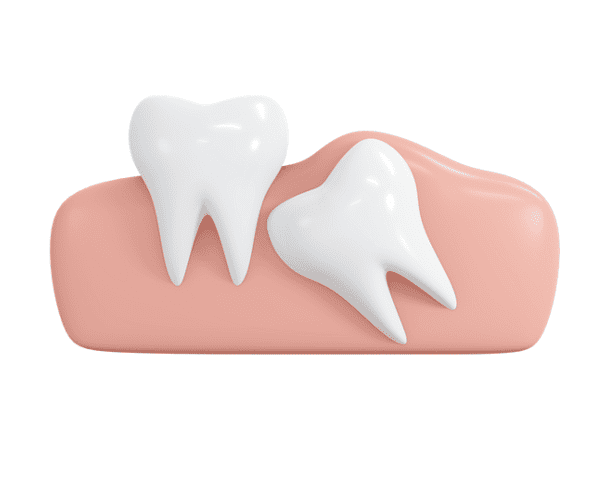
Table of Contents
What Are Wisdom Teeth?
Wisdom teeth, or third molars, are the last set of molars to develop at the very back of your mouth, typically appearing between the ages of 18 and 25. They are called “wisdom teeth” as they emerge during early adulthood, often associated with maturity and “wisdom”.
Key Characteristics of Wisdom Teeth
Quantity
Most people have up to four wisdom teeth (two in the upper jaw and two in the lower jaw), but not everyone develops all four, and some may not develop any.
Growth Angle and Position
Due to modern human jaw evolution, there may be insufficient space for wisdom teeth, causing them to grow at awkward angles or become impacted.
Differences from Other Teeth
Wisdom teeth are located at the farthest point in the mouth, making them challenging to clean and prone to decay or gum inflammation.
Types of Impacted Wisdom Teeth: How They Grow
Wisdom teeth are the last molars to come through, and they sit right at the back where space is often tight. When the jaw does not have enough room, a wisdom tooth can erupt at an angle, or fail to come through at all. This is called an impacted wisdom tooth, and the direction it grows changes the risk to the neighbouring teeth and how easy it is to keep clean. The common patterns are:
Mesial (mesioangular) impaction: the crown tilts forward, towards the second molar. This is one of the more common types. The tilt tends to trap food and plaque against the neighbouring tooth, raising the risk of decay and gum inflammation.
Distal (distoangular) impaction: the crown leans backward, towards the rear of the mouth. It may partly erupt, but the angle still makes cleaning difficult.
Horizontal impaction (often called a sideways wisdom tooth): the tooth lies almost sideways, with the crown pushing against the root of the second molar. It usually cannot erupt on its own, and the steady pressure can damage the neighbouring tooth, so surgical removal is often needed.
Vertical impaction: the tooth points in a fairly normal direction but stays trapped under gum or bone. A flap of gum often remains over the crown, where food and bacteria can collect.
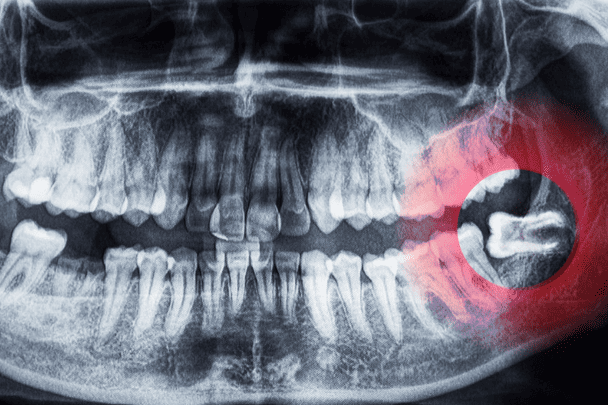
Whether a wisdom tooth needs to come out depends on symptoms, its effect on the neighbouring teeth, and whether it can be cleaned properly. A fully erupted, well positioned wisdom tooth that you can clean may not need treatment. But if there is repeated infection, decay, pressure on the next tooth, or a risk of cysts, your dentist will usually recommend removal. That decision is made with a clinical examination and an X-ray or 3D CT (CBCT) scan, not on the angle alone. Horizontally impacted teeth generally need surgical extraction. If you are not sure which type your own wisdom tooth is, your dentist can use an X-ray to see the way it is growing and talk the options through with you. You can also read more on our wisdom tooth removal service page.
Common Problems Caused by Wisdom Teeth
While wisdom teeth growth is a natural process, they are often regarded as “troublesome teeth” due to their potential to cause problems.
Typical Wisdom Teeth Issues
Impaction
When a wisdom tooth is partially or entirely trapped under the gum or bone, it can lead to pain and gum infection.
Tooth Decay
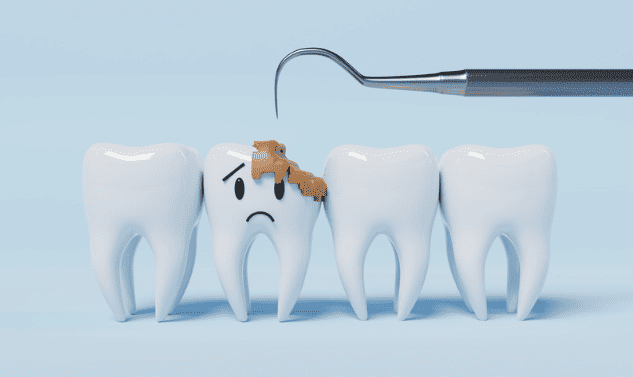
The hard-to-reach position of wisdom teeth makes cleaning difficult, allowing bacteria to accumulate and cause cavities.
Pericoronitis
The surrounding gums of a partially erupted wisdom tooth can become inflamed, swollen, or infected.
Damage to Adjacent Teeth
An impacted wisdom tooth can press against neighbouring molars, potentially leading to root resorption or decay.
Signs of Wisdom Teeth Problems
- Persistent or intermittent toothache
- Difficulty biting or limited jaw movement
- Swelling in the face or gums
- Bad breath or pus discharge in the mouth
Because they are hard to clean, wisdom teeth are also prone to decay; see our guide on tooth fillings if decay has already started.
Wisdom Tooth Pain Before Removal: How to Ease It and How Long It Lasts
Wisdom tooth pain is one of the most common reasons people come in. It often comes from a tooth that is erupting, impacted or decayed, or from inflamed gum around a partly-erupted tooth (pericoronitis).
How to ease the pain before treatment
- Rinse gently with warm salt water to keep the area clean.
- Over-the-counter pain relief can help manage discomfort (follow the label; ask a pharmacist or dentist if unsure).
- A cold compress on the outside of the cheek, about 20 minutes on and off, can reduce swelling.
- Keep the area clean with careful brushing; a mouthrinse before and after your dental visit can help reduce infection risk.
These measures relieve symptoms temporarily. Pain from an impacted, infected or decayed wisdom tooth tends to return until the underlying problem is treated, so persistent or recurring pain should be assessed by a dentist. If pain comes with facial swelling or fever, arrange to be seen promptly. You can learn about our wisdom teeth removal service or book a check-up.
How long does wisdom tooth pain last?
It depends on the cause. Discomfort from an erupting tooth often comes and goes, while pain from infection or an impacted tooth usually persists until the tooth is treated. If you are unsure whether your wisdom tooth needs treatment, a check-up with an X-ray or 3D CT can clarify it. For what to expect after an extraction, see the Post-operative Care section below.

When Should Wisdom Teeth Be Removed?
The decision to remove wisdom teeth is a frequently debated topic. Wisdom teeth management typically falls into two categories: therapeutic extraction and preventative extraction.
Situations Requiring Therapeutic Extraction
- Severe tooth decay in a wisdom tooth that cannot be restored
- Impacted wisdom teeth causing gum inflammation or infection
- Formation of cysts near wisdom teeth, exerting pressure on adjacent teeth
Preventative Extraction
- High Risk of Decay: Wisdom teeth are in hard-to-clean areas, posing a long-term risk of cavities.
- Orthodontic Concerns: Wisdom teeth may cause crowding or displacement of teeth during braces treatment.
When Extraction is Not Advised?
- Fully erupted, healthy wisdom teeth with no signs of decay or gum disease
- Patients with medical conditions unsuitable for surgery, such as clotting disorders
Wisdom Tooth Decay: Why It Happens and What to Do
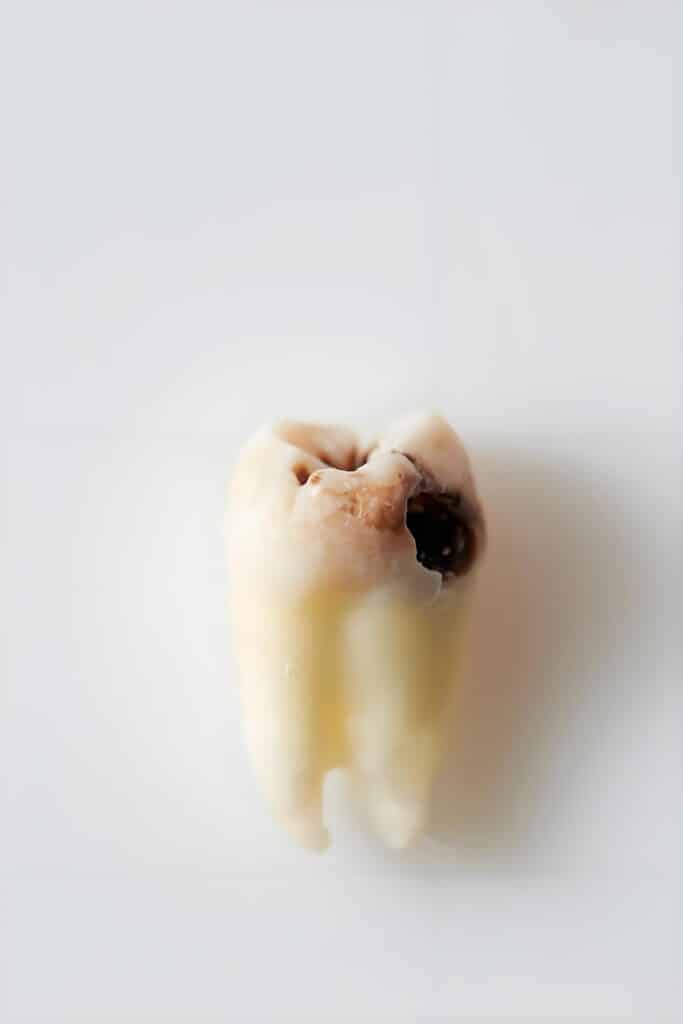
Wisdom teeth sit at the very back of the mouth, where a toothbrush and floss struggle to reach. Many are only partly erupted, with a flap of gum over part of the crown, so food debris and plaque build up easily. That is why they decay more readily than other teeth. A tilted wisdom tooth also forms a hard to clean wedge against the second molar in front, and decay in that spot is easy to miss early on.
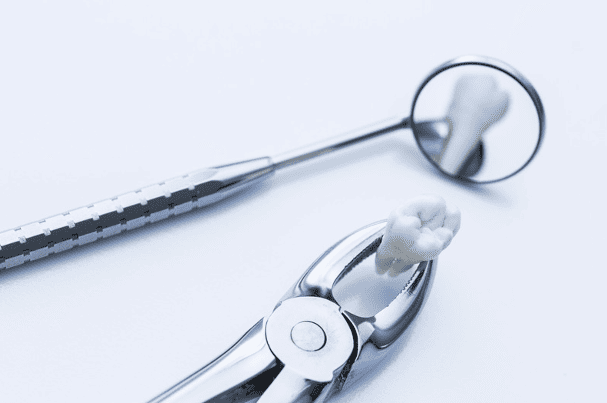
Whether a decayed wisdom tooth can be saved or needs to come out depends on how far the decay has spread and where the tooth sits. If the decay is limited and the tooth is well positioned and cleanable, a filling may be possible (see our tooth fillings service). If the decay is extensive, or the tooth is impacted and too far back to keep clean long term, your dentist may recommend removal so the problem does not keep coming back.
One risk worth knowing is the knock-on effect on the neighbouring tooth. A tilted or impacted wisdom tooth presses tightly against the second molar, and once the contact point decays, bacteria can affect that important molar too. The second molar does a lot of the chewing work, and treating it is more involved once it is affected. So even when a wisdom tooth feels fine, your dentist may suggest acting early if an X-ray shows it is already affecting the tooth next to it. If you are not sure whether your decayed wisdom tooth can be filled or should come out, an X-ray lets your dentist weigh it up with you before you decide.
The Wisdom Teeth Removal Process
1. Initial Assessment
A dentist will examine your mouth and recommend an X-ray (panoramic scan) to evaluate the position of your wisdom teeth and their proximity to nerves. If the wisdom teeth are close to or overlap with the nerves, a 3D CT scan may be required for a clearer view and to minimise the risk of nerve injury during surgery.
2. Treatment Plan
- Low-Risk Cases: A general dentist can often perform straightforward wisdom teeth removals.
- High-Risk Cases: Complex extractions are typically referred to an oral and maxillofacial surgeon.
3. Pre-Surgery Preparation
Your dentist will explain the procedure, potential risks, and post-operative care. You’ll need to sign a consent form before the surgery begins, which will be carried out under local anaesthesia.
4. Post-Surgery Care
- Follow your dentist’s instructions for medication and wound care.
- Return for a follow-up appointment 7–14 days after surgery for wound assessment and suture removal.
The roots of lower wisdom teeth sometimes sit close to the inferior alveolar nerve. Surgery carries a small chance of temporary numbness or altered sensation in the lower lip or tongue (around 3-7% of cases), which usually resolves within 1-6 months; permanent numbness is rare. A pre-operative 3D CT (CBCT) scan maps the nerve and roots precisely, so the dentist can plan a safer procedure and keep this risk as low as possible.
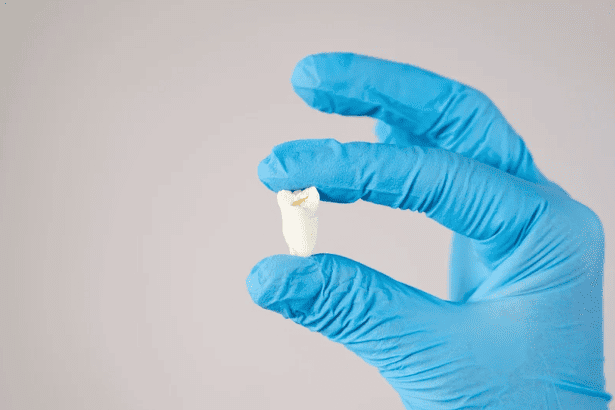
Sedation vs Local Anaesthesia for Wisdom Tooth Removal
This section is about anaesthesia during the surgery itself; for how to manage pain after the extraction, see the section on dealing with pain after a wisdom tooth removal. There are two main ways to keep you comfortable during a wisdom tooth extraction: local anaesthesia on its own, or local anaesthesia together with sedation. The difference is how awake you are, and which situations each one suits.
Local anaesthesia is the most common choice. The dentist injects anaesthetic near the tooth so the area is numb and the extraction itself is painless. You stay awake and usually feel only pressure. For most simple to moderately complex extractions, local anaesthesia on its own is enough.
Sedation adds calming medication on top of the local anaesthetic, so you feel relaxed and less anxious during treatment while still able to respond. Our clinic offers nitrous oxide (laughing gas) on site for mildly anxious patients, with a few minutes of oxygen afterwards to clear your head; for patients who are more anxious, have a strong gag reflex, or need longer, more complex surgery, Monitored Anaesthesia Care (MAC), IV sedation given and monitored throughout by an anaesthetist, can be arranged by our clinic team and carried out at a dedicated sedation centre. You can read more on our sedation dentistry service page.
Either way, your dentist will review your health, medical history, and current medications before agreeing on the right approach with you. If you feel uneasy about the procedure, mention it at your consultation so your dentist can plan around your needs.
Estimated Costs and Duration for Wisdom Tooth Removal Surgery
The cost and duration of wisdom tooth removal depend on various factors, including the position of the tooth, its growth condition, and the complexity of the procedure. We recommend choosing a reputable dental clinic where professional dentists can perform a thorough pre-surgical evaluation. This not only provides a clearer understanding of the tooth’s condition but also enhances the safety and success rate of the procedure.
Estimated Duration of the Procedure
Pre-surgical Assessment
Before extraction, the dentist will arrange for X-rays and discuss the treatment plan with you. This process typically takes about 30 minutes.
Tooth Removal Procedure
Simple extractions usually take 15–30 minutes. If the wisdom tooth is impacted or requires bone cutting, the procedure may exceed an hour.
Follow-up Appointment
After the surgery, the dentist will usually recommend a follow-up visit within a week to monitor wound healing.
Factors Affecting Costs
The cost of wisdom tooth removal can vary depending on the following:
Growth Condition of the Tooth
For example, whether it is fully erupted or impacted.
Complexity of the Surgery
This includes whether bone cutting or special techniques are required.
Clinic Facilities and Aftercare Services
Clinics with advanced equipment and comprehensive post-surgical care may charge more.
Wisdom Tooth Removal Cost in Hong Kong (Public vs Private)
There is no fixed price for wisdom tooth removal in Hong Kong. The cost depends mainly on how the tooth is growing (impacted or angled), the complexity of the surgery, whether bone removal is needed, and whether a 3D CT (CBCT) scan is used to locate the nerve. As a general market reference:
| Route | Typical fee | Notes |
|---|---|---|
| Private practice | ~HK$5,000 to $10,000 per tooth | Simple, fully-erupted teeth are nearer the lower end; impacted teeth, teeth close to the nerve, or cases needing bone removal/sectioning are nearer the upper end. X-ray/CBCT is usually charged separately. |
These are general market reference levels: the private range reflects the Prince Philip Dental Hospital private patient fee schedule, while subsidised/public routes are generally lower but often involve long waiting times, which is why many patients choose private care. The figures are for reference only and do not represent the actual pricing of our clinic (Bayside Dental Tung Chung); your actual fee can only be confirmed after a clinical examination. See our dental fee reference page for a fuller breakdown.
Wisdom Tooth Extraction Cost by Complexity (2026 Guide)
The cost of wisdom tooth extraction varies with how impacted the tooth is. Within the public and private framework above, removing one wisdom tooth privately usually costs from HK$5,000 to HK$10,000. Where a case falls in that range mainly reflects how the wisdom tooth has grown and how complex the surgery is. Using general market rates in Hong Kong as a guide (with reference to the fee schedule of The Prince Philip Dental Hospital), the cases roughly fall into three groups:
Simple extraction: the wisdom tooth is fully erupted with a straightforward root shape and can be removed with standard extraction. Fees are usually near the lower end of the range.
Partial impaction: the tooth is only partly through and a small gum incision is needed to remove it. Difficulty and cost sit in the middle.
Full impaction: the tooth is fully buried in gum or bone, or lying horizontally, and often needs a gum flap, a little bone removal, and sectioning of the tooth. This is more complex surgery, and fees are usually near the upper end. X-rays or a 3D CT (CBCT) scan are normally charged separately.
These figures reflect general market rates in Hong Kong and reference the publicly available Prince Philip Dental Hospital fee schedule. They are for reference only and do not represent the actual fees of our clinic (Bayside Dental Tung Chung). Your actual cost can only be confirmed after a dentist examines your wisdom tooth. For a fuller breakdown, see our dental fee reference page.
Preparing for Wisdom Tooth Surgery: Tips and Psychological Readiness
Wisdom tooth removal is a minor surgical procedure, but proper preparation can ensure a smooth process.
Pre-surgical Preparations
- Dental Examination: A full-mouth X-ray is required to evaluate the angle of the wisdom tooth and the surrounding bone structure.
- Communicate with Your Dentist: Inform them of your medical history and current medications, including any allergies or blood clotting issues.
- Diet Adjustments: On the day of the surgery, avoid consuming spicy or greasy foods and maintain an empty stomach if general anaesthesia is required.
Psychological Readiness
The procedure is carried out under local anaesthesia to keep you comfortable. For particularly anxious patients, sedation anaesthesia can be considered to help them relax.
Post-operative Care: Reducing Discomfort and Promoting Recovery
Proper care after wisdom tooth removal is essential for wound healing.
Advise: If there is slight bleeding present even after few after of extraction put pressure pack on extraction socket and call us.
Within 24 Hours
- Avoid Physical Activity: Rest and avoid strenuous activities.
- Diet Recommendations: Options for lukewarm, liquid foods such as porridge or soup, and avoid chewing vigorously. (soft/liquid food should be in room temperature)
- Cannot use straw to drink .
- No smoking and drinking for 3 days at least as it may cause dislodgement of clots in the socket (DRY SOCKET)
- No negative pressure (no forceful spitting after mouth rinse)
- Avoid using mask on the day of extraction.
Within the First Week
- Oral Hygiene: You can gently brush your teeth 24 hours after surgery, but avoid the wound area.
- Pain Relief and Anti-inflammatory Medications: Take medicines as prescribed by your dentist to reduce swelling and the risk of infection.
What to Eat After Wisdom Tooth Removal
For the first few days the wound is still healing, so keep foods cool, soft and easy to swallow.
- First 24-48 hours: cool or room-temperature liquids and semi-liquids, for example cold drinks, yogurt, oatmeal, steamed egg, mashed potato, cooled soup and ice cream (no hard bits).
- Days 3-7: gradually add soft foods such as congee, udon, soft noodles, steamed fish, tofu and well-cooked vegetables.
- Best avoided for now: very hot food and drinks, spicy or acidic food, hard or chewy food (nuts, crisps), and drinking through a straw (the suction can dislodge the blood clot).
Once the wound has healed and your follow-up confirms it, you can gradually return to a normal diet. Recovery varies from person to person, so ask your dentist if you are unsure.
Watch for the Signs of Dry Socket
After extraction a blood clot forms to protect the underlying bone and nerve. If it is dislodged too early, a condition commonly called “dry socket” can occur, most often after lower wisdom teeth and in smokers. Overall, complications from wisdom tooth removal are uncommon.
In the first 24 hours after surgery, avoid vigorous rinsing or spitting, as this can dislodge the protective blood clot.
Typical warning signs: around 2-4 days after surgery the pain increases instead of easing, may spread towards the ear, and can come with a bad taste or odour. Not every patient develops dry socket; avoiding straws, not smoking, and cleaning gently as instructed all help lower the risk. If you have this kind of worsening pain, contact your dentist promptly.
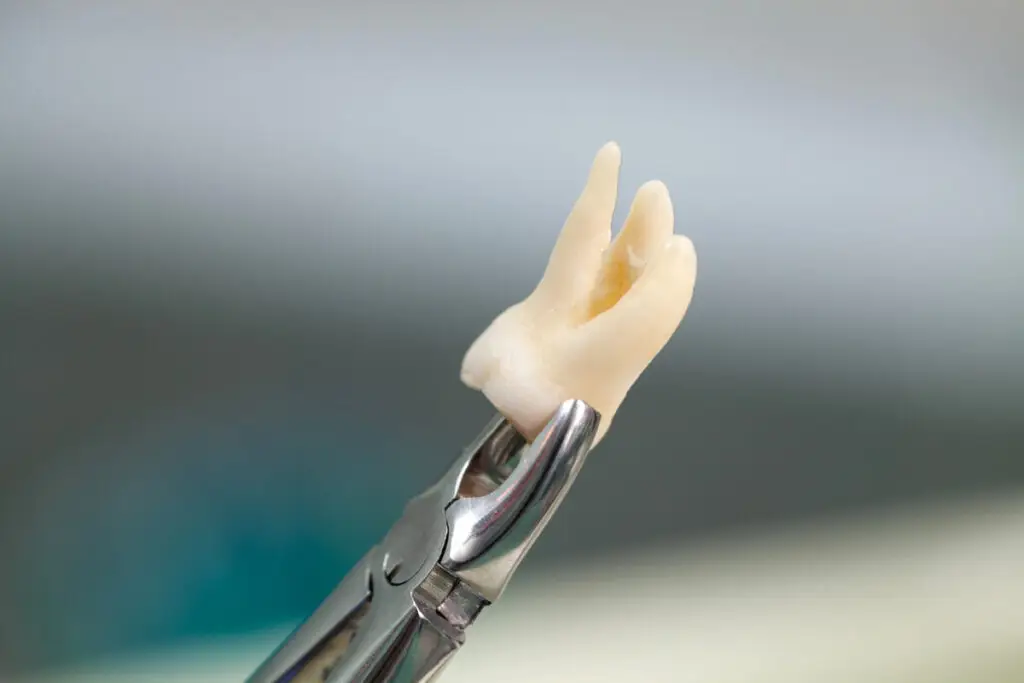
Professional Wisdom Tooth Removal Services
Experienced Dental Team
Our dentists have extensive experience, ensuring every patient receives safe and efficient treatment.
Advanced Equipment
Our clinic is equipped with modern technology for accurate assessment of wisdom tooth growth, improving treatment efficiency.
Flexible Appointments
We offer flexible scheduling, including emergency wisdom tooth extractions, to alleviate discomfort promptly.
*If you have any questions or need further consultation regarding wisdom tooth removal, feel free to contact our professional dental team. We are committed to providing you with a comfortable and reassuring treatment experience.
Conclusion
Wisdom teeth can be a common concern in adulthood. Through regular dental check-ups and professional advice, patients can better determine whether wisdom tooth removal is necessary and take the appropriate action.
If you are considering wisdom tooth removal, contact our professional team for an evaluation. Our clinic provides comprehensive wisdom tooth removal services and is dedicated to ensuring patients have a comfortable surgical experience.
Frequently Asked Questions About Wisdom Teeth Removal
Will wisdom tooth removal be painful?
The procedure involves local anaesthesia, so patients will not feel pain during the surgery. However, mild discomfort or swelling may occur post-surgery. Dentists typically prescribe painkillers to alleviate symptoms.
How soon can I eat normally after surgery?
In the first 24 hours, it is recommended to consume liquid or semi-liquid foods such as soup, congee, or smoothies. Normal eating habits can usually resume after 3–5 days, but hard or spicy foods should be avoided.
Is general anaesthesia necessary?
Most wisdom tooth extractions only require local anaesthesia. However, for patients who are extremely anxious or if the tooth is severely impacted, general anaesthesia can be considered.
How long should I rest after wisdom tooth removal?
Simple extractions typically do not disrupt daily activities. However, for more complex procedures, it is advisable to rest for 1–2 days and avoid strenuous activities.
How can I relieve wisdom tooth pain?
To ease wisdom tooth pain temporarily, rinse gently with warm salt water, use over-the-counter pain relief as directed, apply a cold compress to the cheek (about 20 minutes on and off), and keep the area clean. These help with symptoms, but pain from an impacted, infected or decayed tooth usually returns until the cause is treated, so persistent pain should be checked by a dentist.
How long does wisdom tooth pain last?
It depends on the cause. Pain from an erupting tooth may come and go, while pain from infection or impaction usually persists until treated. After an extraction, swelling and discomfort typically peak on days 2-3 and ease within about a week; most discomfort settles within 48 hours and is manageable with prescribed medication.
How much does wisdom tooth removal cost in Hong Kong?
It varies by case. As a general market reference, private practices are around HK$5,000 to $10,000 per tooth; X-ray/CBCT is usually charged separately. These figures reference the Prince Philip Dental Hospital private schedule and are not our clinic’s pricing, and your actual fee is confirmed after an examination.
Can wisdom tooth removal damage a nerve? Is it dangerous?
Wisdom tooth removal is a common procedure and serious complications are uncommon. Because lower wisdom teeth sit near the inferior alveolar nerve, there is a small chance of temporary numbness in the lower lip or tongue (about 3-7% of cases), usually resolving within 1-6 months; permanent numbness is rare. A pre-operative 3D CT (CBCT) scan helps lower this risk.
Does a sideways (horizontally impacted) wisdom tooth always need removal?
Not always, but a horizontally impacted (sideways) wisdom tooth lies almost flat with its crown pushing against the second molar, so it usually cannot erupt on its own and the steady pressure can damage the neighbouring tooth. For that reason dentists often recommend surgical removal. Whether it needs to come out still depends on symptoms such as repeated infection, decay, pressure on the next tooth or cyst risk, confirmed with a clinical examination and an X-ray or 3D CT (CBCT) scan. See our wisdom tooth removal service page.
Can a decayed wisdom tooth be filled instead of removed?
It depends on how far the decay has spread and where the tooth sits. If the decay is limited and the tooth is well positioned and cleanable, a filling may be possible. If the decay is extensive, or the tooth is impacted and too far back to keep clean long term, your dentist may recommend removal so the problem does not keep coming back. A check-up is the best way to decide. See our tooth fillings service page.
How much does wisdom tooth removal cost, and does it vary by impaction?
Yes. Removing one wisdom tooth privately usually costs from HK$5,000 to HK$10,000, depending mainly on how the tooth has grown and how complex the surgery is: a simple extraction is near the lower end, partial impaction sits in the middle, and full or horizontal impaction is more complex surgery near the upper end, with X-rays or a 3D CT (CBCT) scan normally charged separately. These figures reflect general market rates in Hong Kong and reference the publicly available Prince Philip Dental Hospital fee schedule; they are for reference only and do not represent the actual fees of our clinic (Bayside Dental Tung Chung). Your actual cost can only be confirmed after a dentist examines the tooth. See our dental fee reference page.
Do I need sedation or just local anaesthesia for wisdom tooth removal?
For most wisdom tooth extractions, local anaesthesia on its own is enough. You stay awake and usually feel only pressure, not pain. If you feel very anxious about treatment, have a strong gag reflex, or need longer, more complex surgery, sedation can be added on top of the local anaesthetic. Your dentist will review your health and medical history first, then agree the right approach with you. See our sedation dentistry service page.
Disclaimer
This article is for informational purposes only and does not constitute professional dental advice. If you require dental treatment or related information, we recommend consulting a professional dentist registered with the Dental Council of Hong Kong to obtain advice and diagnosis tailored to your individual needs.
While we strive to provide accurate and reliable information, we do not guarantee the completeness or timeliness of the content. The information provided should not be considered a substitute for professional dental advice, diagnosis, or treatment. If you have any concerns, please consult your dentist or other qualified healthcare professional and follow their recommendations.

Bayside Dental Tung Chung – Your Trusted Dental Care!
Our expert team is here for emergency and routine care to keep your smile healthy. Call or WhatsApp us today!
- Emergency Contact: +852 2185 6550
- After Hours: +852 6071 4530
- WhatsApp: +852 5915 5118
Share This Article
More Articles