
How to Treat Gum Swelling and Pain? Dentist Recommended Solutions and Daily Care Tips!
📌 Gum Swelling & Pain: Key Takeaways
Common causes: Gum inflammation from plaque and tartar, wisdom-tooth infection, a tooth or root infection, and trapped food.
Quick relief: Rinse with warm salt water, keep the area clean, avoid hard or hot foods, and use painkillers as advised.
When to see a dentist: Promptly if swelling lasts more than a few days, your face swells, or you have fever or pus.
The lasting fix: Treats the cause, whether scaling, treating decay or roots, or removing an infected wisdom tooth.
Prevention: Brush properly, floss daily, and have regular cleanings and check-ups.
👉 Emergency dental care in Tung Chung
Common causes: Gum inflammation from plaque and tartar, wisdom-tooth infection, a tooth or root infection, and trapped food.
Quick relief: Rinse with warm salt water, keep the area clean, avoid hard or hot foods, and use painkillers as advised.
When to see a dentist: Promptly if swelling lasts more than a few days, your face swells, or you have fever or pus.
The lasting fix: Treats the cause, whether scaling, treating decay or roots, or removing an infected wisdom tooth.
Prevention: Brush properly, floss daily, and have regular cleanings and check-ups.
👉 Emergency dental care in Tung Chung
- Last updated: 07/10/2026

Table of Contents
Swollen, painful gums are usually not a matter of “heatiness”; the most common real cause is plaque building up along the gumline and inflaming the gum tissue. If your gums have just started to swell and hurt, the most useful things to do right away are to rinse gently with warm salt water, switch to a soft-bristled brush, and floss to clear plaque between the teeth, while avoiding spicy, hard and very hot foods for now. Mild gum inflammation usually settles within 7 to 10 days, with gums back to normal in about 2 to 3 weeks. But if you notice pus, fever, facial swelling, or swelling lasting more than two weeks, see a dentist promptly, as this can signal a deeper infection.
What Are Swollen Gums? Gum Swelling vs Gum Inflammation
Swollen gums are a symptom, not a disease on their own. The most common cause is plaque, a sticky film of bacteria that collects along the gumline and triggers an inflammatory response. This inflammation is called gingivitis, the earliest and still fully reversible stage of gum disease.
People often use “swollen gums” and “gum inflammation” to mean the same thing, but they describe slightly different things:
| Gum inflammation (gingivitis) | Gum swelling | |
|---|---|---|
| What it is | An ongoing inflammatory state | A visible, palpable swelling |
| Typical signs | Red gums, bleeding when brushing, persistent bad breath | Gums puffed up in one area or along the arch, tender to pressure |
| Common causes | Plaque and tartar build-up | Gingivitis, gum abscess, hormonal changes, medication, wisdom-tooth inflammation |
| Reversible? | Early stage is usually fully reversible | Usually settles once the underlying cause is treated |
In short, gum inflammation usually causes some swelling, but swollen gums can have causes beyond inflammation alone. Finding the real source is what makes treatment work.
Why Are My Gums Swollen? Common Causes
6 common causes of swollen gums (at a glance):
- Gingivitis and gum disease: plaque hardens into tartar and keeps irritating the gums, causing redness and bleeding.
- Gum abscess: food and bacteria trapped between gum and tooth form a localised abscess, sometimes with pus.
- Hormonal changes (pregnancy): pregnancy and puberty make gums more sensitive to plaque and prone to swelling and bleeding.
- Certain medications: some blood-pressure, anti-epileptic and calcium-channel-blocker drugs can cause gum overgrowth.
- Wisdom-tooth inflammation (pericoronitis): a partly erupted wisdom tooth traps debris, swelling the gum at the back of the mouth.
- Nutrition and other factors: low vitamin C weakens the gums; smoking, stress and diabetes slow healing.
1. Plaque-induced gum inflammation (about 60% of cases). Plaque that isn’t cleaned away daily hardens into tartar, a haven for bacteria that keeps irritating the gums. Once tartar forms, brushing alone can’t remove it; professional cleaning is needed.
2. Gum abscess (trapped food). Food debris and bacteria caught between gum and tooth can form a localised abscess, often with marked swelling and sometimes pus. This usually needs drainage by a dentist, with antibiotics if required.
3. Pregnancy and hormonal changes. During pregnancy, puberty and menstruation, hormonal shifts make gums more sensitive to plaque and more likely to swell and bleed. See “Special situations” below.
4. Certain medications. Some drugs (for example certain blood-pressure medicines, anti-epileptic drugs and calcium-channel blockers) can reduce saliva or cause gum overgrowth. Never stop a prescribed medication on your own; discuss it with your doctor.
5. Wisdom-tooth inflammation (pericoronitis). A partly erupted wisdom tooth often causes pericoronitis and swelling at the very back of the mouth. See “Special situations” below and our complete guide to wisdom teeth.
6. Nutrition and other factors. Low vitamin C weakens gum tissue; smoking, stress and diabetes all make gums more prone to inflammation and slower to heal.
When Should You See a Dentist?
Most mild gum swelling settles once cleaning improves. But the following signs point to a deeper problem and should be acted on by urgency:
🟢 See a dentist within 1 to 2 weeks
- Gums keep bleeding even after better brushing and flossing
- Mild gum tenderness when eating
🟠 See a dentist within 3 to 5 days
- Swelling that interferes with chewing
- Spontaneous bleeding or a metallic taste
🔴 Seek urgent care
- Pus discharge from the gums
- Fever with gum pain
- Sudden, severe swelling or facial swelling
- Loose teeth
- Swelling lasting more than two weeks
If you have any of these urgent warning signs, call +852 2185 6550 right away or use our emergency dental care to be assessed by a dentist.
Can I Take Medicine for Swollen Gums? Painkillers, Antibiotics and Diet
“What medicine should I take for swollen gums” is one of the first things people search. The following is general information to help you understand each type of medicine. It is not dosing advice.
⚠ Important: painkillers and antibiotics should be used under the guidance of a dentist or pharmacist, and not taken long-term on your own. Painkillers only ease symptoms temporarily and cannot remove the plaque, tartar or abscess causing the problem; whether one is suitable, and at what dose, depends on your health (stomach, kidneys, other medicines, pregnancy), so ask a pharmacist before buying. Never crush a tablet and place it on the gum or a cavity, as it can chemically burn the lining. If symptoms persist, see a dentist. The Hong Kong Department of Health Drug Office (drugoffice.gov.hk) provides drug-safety information for reference.
Three common types of medicine for swollen gums (general information, not dosing advice):
- NSAIDs (e.g. ibuprofen): reduce both inflammation and pain, suited to gum inflammation or wisdom-tooth swelling.
- Paracetamol (e.g. Panadol): mainly relieves pain and fever, with no direct anti-inflammatory effect.
- Antibiotics (prescription only, e.g. amoxicillin, metronidazole): prescribed by a dentist only when there is a bacterial infection such as a gum abscess, not a routine treatment for ordinary gum swelling; never buy or take them on your own, to avoid resistance.
What to eat with swollen gums. During a flare-up, aim to reduce irritation:
- Choose soft, cool foods such as congee, noodle soup, yoghurt, steamed egg and tofu.
- Avoid spicy, acidic, hard (nuts, hard shells) and very hot foods for now.
- Chew on the other side to spare the sore area.
- Drink plenty of water to keep the mouth moist.
The real fix for swollen gums is still removing plaque and tartar. Regular professional teeth cleaning clears the tartar that brushing can’t reach and is a key part of controlling gum inflammation.

*Regular dental cleanings can effectively prevent periodontal disease and maintain oral health.
Do Herbal Teas or “Clearing Heat” Really Help Swollen Gums? (What the Health Department Says)
Key points
- The common cause of gum discomfort is gum disease, not “heatiness”.
- Plaque has to be removed mechanically by brushing, flossing and scaling; no drink washes it away.
- If swelling lasts over two weeks, or comes with pus or fever, see a dentist promptly instead of waiting it out.
In Hong Kong, many people’s first thought when their gums swell is “heatiness” (熱氣), so they reach for herbal tea or cooling soups. The Department of Health (toothclub.gov.hk) addresses this myth directly: the most common cause of gum discomfort is gum disease, not heatiness, and heat-clearing only “treats the symptom, not the root”. What actually helps is scaling by a dentist, which removes the real culprits, plaque and tartar.
Why can’t anything you drink fix the cause? Because plaque is a bacterial film that sticks to the teeth and forms continuously (per the Department of Health), so only mechanical cleaning by brushing, flossing and scaling removes it; no drink or rinse washes it away. An abscess or an inflamed wisdom tooth is the same: it needs a dentist, not “clearing heat”.
That doesn’t make herbal tea or Chinese medicine pointless. Stress, poor sleep and an unbalanced diet do make gum inflammation flare more easily, so cooling soups are fine as everyday upkeep, just not as a treatment. Once gums are swollen and painful, the safer path is to let a dentist find the cause; if it lasts over two weeks or comes with pus or fever, see a dentist promptly rather than waiting. If a periodontal problem is suspected, read about the causes and treatment of periodontal disease.
How to Relieve Swollen Gums Quickly: 5 Practical Steps
While you wait to be seen, these steps can ease discomfort. They are supportive measures and don’t replace dental treatment:
- Warm salt-water rinse. Dissolve about half a teaspoon of salt in a cup of warm water (about 35 to 40°C) and rinse gently for around 30 seconds, several times a day.
- Cold compress on the outer cheek. Wrap ice in a towel and hold it against the outside of the cheek on the sore side for about 10 minutes; never put ice directly in your mouth, as it can burn the lining.
- Gentle brushing and flossing. Switch to a soft-bristled brush, clean gently along the gumline and floss daily. Keep cleaning even when sore, just ease off the pressure.
- Avoid irritating foods. Skip spicy, hard, very hot and acidic foods for now to reduce irritation.
- Rest well. Stress and poor sleep weaken immunity and slow healing, so adequate rest helps the gums recover.
If your dentist judges it suitable, they may suggest a chlorhexidine mouth rinse, which can cut oral bacteria by about 60%. It isn’t right for everyone long-term, so check with your dentist first.
Special Situations: Pregnancy and Wisdom-Tooth Swelling
Pregnancy (pregnancy gingivitis). Hormonal changes in pregnancy make gums especially sensitive to plaque, so they swell and bleed more easily. The good news is that this pregnancy gingivitis usually improves after delivery as hormones return to normal. You can still see a dentist and have cleanings during pregnancy, and daily oral care matters more than ever.
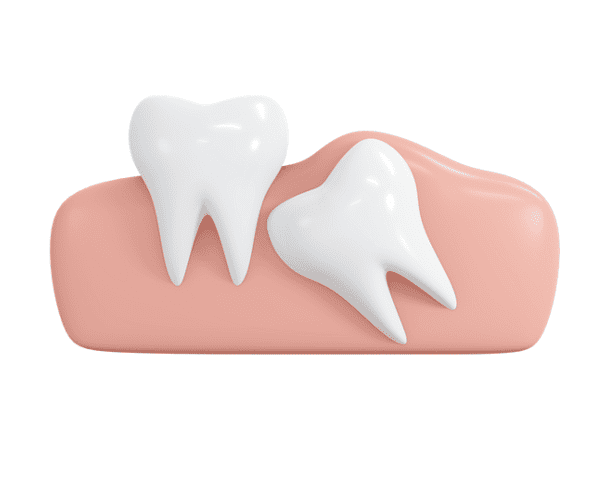
Wisdom-tooth swelling (pericoronitis). When a wisdom tooth only partly erupts, the gum over it traps food and bacteria and becomes inflamed, causing swelling and pain at the back of the mouth that can, when severe, affect opening and swallowing. This usually needs a dentist to clean the area, control the inflammation and assess whether the wisdom tooth should be removed. If it keeps recurring, removing the tooth itself is often what solves it. See our complete guide to wisdom teeth.
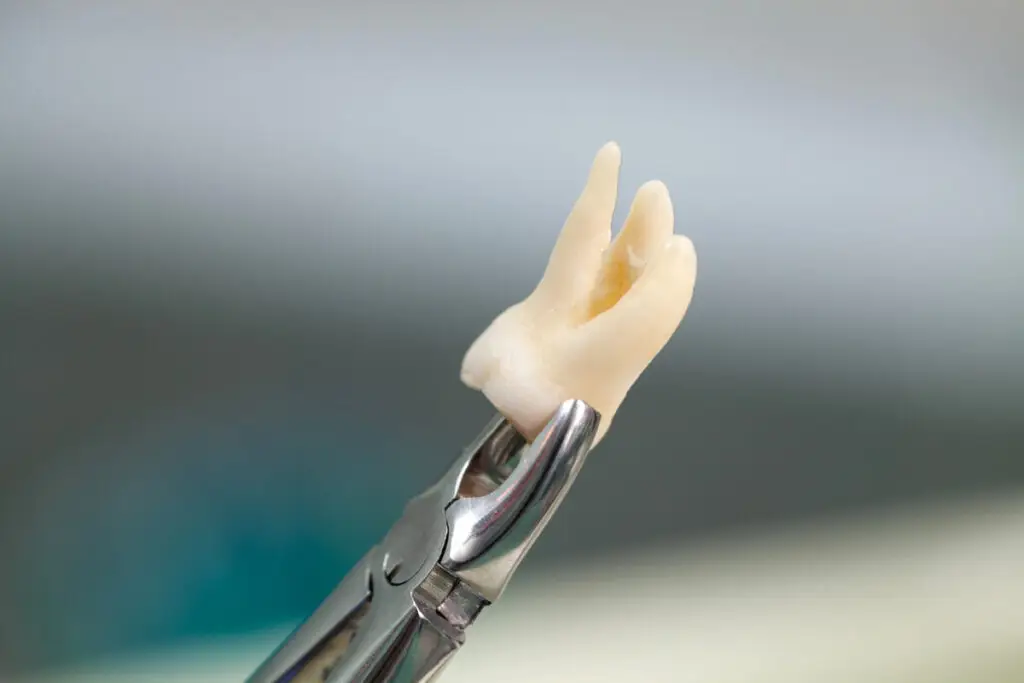
*If wisdom teeth are causing persistent gum pain, it is advisable to seek a professional examination promptly.
Treatment Options for Swollen Gums
Treatment depends on the underlying cause. A dentist finds the cause first, then treats accordingly. Common options include:
- Professional (ultrasonic) cleaning: ultrasonic and hand instruments remove plaque and tartar in about a 30-minute session, suited to plaque-induced gum inflammation; local anaesthesia is available for sensitive patients.
- Root planing (deep cleaning): removes deep tartar and bacteria inside the periodontal pockets, usually done in stages under local anaesthesia, for moderate gum disease where pockets have formed.
- Root canal treatment: when the swelling or abscess comes from a decayed tooth’s root-tip infection, the infected pulp is removed, the canal disinfected and sealed, usually over two to three visits.
- Wisdom-tooth removal: if the swelling is driven by recurring wisdom-tooth pericoronitis, a dentist may recommend removing that tooth to resolve the repeated inflammation.
- Abscess drainage: a gum abscess needs draining by a dentist as soon as possible, with antibiotics if required; if it comes with severe pain or facial swelling, seek emergency dental care promptly.
- Persistent or severe cases: may need gum surgery or bone/soft-tissue grafting.
Caught early, gum inflammation is usually fully reversible. Once it advances to periodontitis, the damage to gum and bone can’t be fully undone and can only be managed, so seeing a dentist early is what counts.
How to Prevent Swollen Gums
- Use a soft-bristled brush with correct technique (the Bass method) along the gumline.
- Floss daily to clear plaque between teeth (about 40% of plaque hides where a brush can’t reach).
- Have a professional cleaning and check-up every six months to remove tartar early.
- Eat a balanced diet with enough vitamin C to support gum health.
- Stop smoking and keep conditions like diabetes well controlled.
Summary
Swollen, painful gums usually come from plaque-induced gum inflammation, and mild cases improve within one to three weeks with better cleaning, warm salt-water rinses and a gentler diet. Painkillers can ease the pain temporarily but should be used with pharmacist or dentist guidance; antibiotics are only for infection and only on prescription. Herbal teas and cooling soups don’t address the root cause, and delaying care can let things worsen. If you see pus, fever, facial swelling, or swelling lasting over two weeks, see a dentist promptly.
Bayside Dental Tung Chung is at Caribbean Square and open seven days a week, making it convenient for Tung Chung and Lantau residents to be seen close to home. If your swollen gums persist, discharge pus or come with a fever, book an assessment with a dentist as soon as you can. Call +852 2185 6550, or reach us via WhatsApp or online booking.
Frequently Asked Questions About Gum Swelling and Pain
Will swollen gums heal on their own?
Mild swelling from plaque-induced gum inflammation usually settles within 7 to 10 days once you brush well, floss and clear the plaque, with gums back to normal in about 2 to 3 weeks. But swelling from an abscess or an inflamed wisdom tooth usually won’t heal by itself and needs a dentist.
How can I relieve swollen gums quickly?
Rinse gently with warm salt water (about half a teaspoon of salt in a cup of warm water), apply a cold compress to the outer cheek, switch to a soft brush, and avoid spicy, hard and very hot foods, while getting plenty of rest. These ease symptoms but don’t replace dental treatment.
What should I eat when my gums are swollen?
Choose soft, cool foods such as congee, noodle soup, yoghurt, steamed egg and tofu, chew on the side that isn’t sore, and drink plenty of water. During a flare-up, avoid spicy, acidic, hard and very hot foods that add irritation.
How do I reduce gum inflammation?
The most fundamental way is to remove plaque and tartar, usually with professional cleaning; an abscess needs draining by a dentist. After assessment, a dentist may suggest a chlorhexidine rinse to cut oral bacteria. Painkillers and antibiotics should only be used under dentist or pharmacist guidance, not taken long-term on your own.
Can I take paracetamol or ibuprofen myself for swollen gums?
Paracetamol mainly relieves pain, while NSAIDs such as ibuprofen also reduce inflammation, and both may ease swollen gums temporarily. Whether either is suitable, and at what dose, depends on your health (stomach, kidneys, other medicines, pregnancy), so ask a pharmacist first and don’t rely on them to put off seeing a dentist.
Do herbal teas or Chinese remedies help swollen gums?
Swollen gums are usually caused by plaque, bacterial infection or a structural issue like a wisdom tooth, not simply “heatiness”. Hong Kong’s Department of Health also notes that heat-clearing approaches only treat the symptom, not the root. Herbal teas or cooling soups may feel soothing and are fine as everyday upkeep, but they can’t remove plaque, tartar or an abscess. If swelling lasts over two weeks or comes with pus or fever, see a dentist promptly rather than waiting.
How long do swollen gums usually take to get better?
For mild plaque-induced inflammation, the inflammation typically settles in 7 to 10 days with proper care, and gums return to normal in about 2 to 3 weeks; early periodontitis takes around 3 to 4 weeks with treatment. If swelling lasts more than two weeks without improving, get it checked.
How should I deal with swollen gums caused by a wisdom tooth?
When a wisdom tooth only partly erupts, the gum over it traps food and bacteria and becomes inflamed (pericoronitis), causing swelling and pain at the back of the mouth. A dentist typically cleans the area, controls the inflammation and assesses whether the tooth should be removed; if it keeps recurring, treating the tooth itself is often needed.
How do I stop swollen gum pain?
Right away you can rinse with warm salt water, apply a cold compress to the outer cheek for about 10 minutes, and switch to a soft-bristled brush. For noticeable pain, an over-the-counter painkiller such as paracetamol or ibuprofen may help temporarily, but ask a pharmacist first and don’t take it long-term. These only ease the pain; the underlying cause, such as plaque or an abscess, still needs a dentist.
Why is my gum swollen but not painful?
A painless gum swelling doesn’t mean there’s no problem. Common examples include a chronic gum abscess that has stopped hurting because it has drained and released pressure, a pregnancy tumour (pyogenic granuloma, a vascular overgrowth that can still bleed), and gum overgrowth caused by certain medications (such as calcium-channel blockers). These usually won’t resolve on their own, so have a dentist check what the lump is rather than waiting because it doesn’t hurt.
Can I take anti-inflammatory medicine for swollen gums?
You can, but be clear that its role is short-term pain relief, not a cure. Anti-inflammatory painkillers don’t remove the plaque, tartar or abscess that actually causes the swelling, and leaning on them to delay care can let the inflammation worsen. Antibiotics are prescription-only and used by a dentist only for a confirmed bacterial infection, so don’t buy them yourself. If the swelling persists, see a dentist to find the cause rather than masking it with medicine.
How can I reduce gum swelling quickly?
The most direct home steps are a warm salt-water rinse with a cold compress on the outer cheek, plus pausing spicy, hard and very hot foods and keeping cleaning gentle. These only ease the discomfort; if the swelling comes with pus or fever, or lasts more than two weeks, home care isn’t enough and you should see a dentist. Swelling driven by plaque and tartar usually only settles once a scaling removes the culprit.
Disclaimer
This article is for informational purposes only and does not constitute professional dental advice. If you require dental treatment or related information, we recommend consulting a professional dentist registered with the Dental Council of Hong Kong to obtain advice and diagnosis tailored to your individual needs.
While we strive to provide accurate and reliable information, we do not guarantee the completeness or timeliness of the content. The information provided should not be considered a substitute for professional dental advice, diagnosis, or treatment. If you have any concerns, please consult your dentist or other qualified healthcare professional and follow their recommendations.

Bayside Dental Tung Chung – Your Trusted Dental Care!
Experiencing gum swelling or discomfort? Don’t wait—book an appointment for a professional gum health check. Our expert team is here for emergency and routine care to keep your smile healthy. Call or WhatsApp us today!
- Emergency Contact: +852 2185 6550
- After Hours: +852 6071 4530
- WhatsApp: +852 5915 5118
Share This Article
More Articles