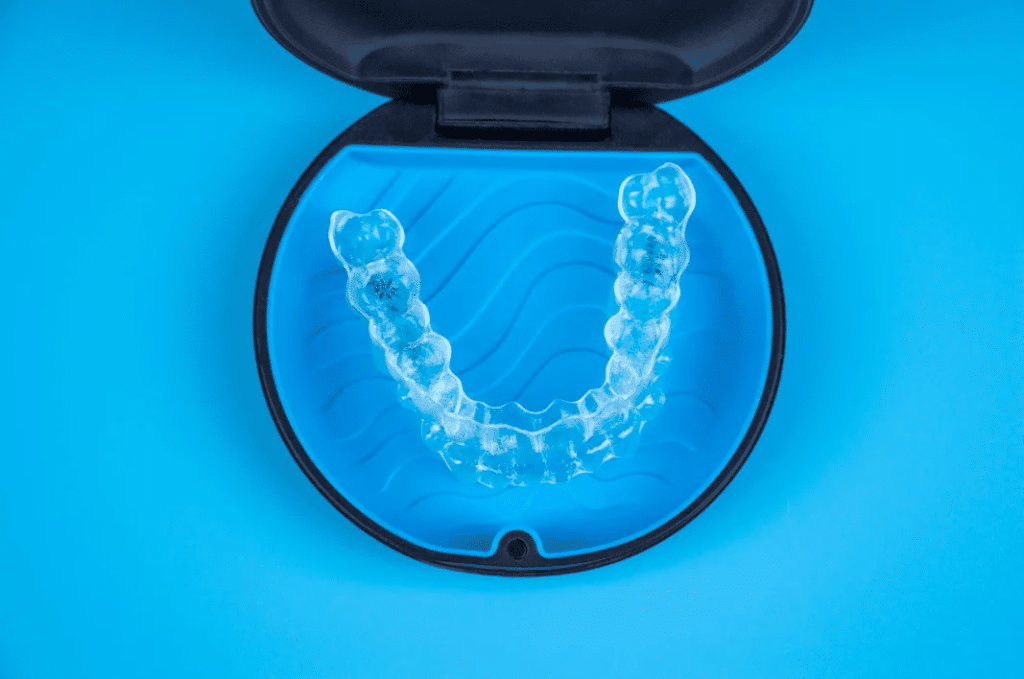
Invisible braces are a popular choice for their comfort and discreet look. Invisalign is one of the best‑known brands. Before starting treatment, most people ask: “How much does it cost?” and “What’s the process?” This guide covers the key steps, cleaning tips, and cost estimates to help you on your journey to a confident smile.
🔔 Reminder: Prices shown are for reference only. Final fees require a professional dental assessment.
Invisalign – Estimated Pricing
- In Hong Kong, the cost of invisible braces varies from person to person, mainly depending on the following factors:
- Case complexity – More severe crowding or bite issues require more aligners, leading to higher fees.
- Specialist experience & clinic equipment – Orthodontic specialists and clinics using advanced digital scanning technology may charge higher fees.
- Number of arches treated – Full‑arch (upper & lower) treatment costs more than single‑arch treatment.
- Additional items – Extra costs may apply for temporary anchorage devices (TADs / mini screws), elastics, or retainers after treatment.
Estimated Price Range (based on private patient fees at non‑teaching dental clinics)
| Treatment Item | Estimated Fee (HKD) |
| Retainer (per visit) | $1,500 – 2,500 |
| Treatment Planning | $2,000 – 3,000 |
| Clear Aligner – 1 Arch | $45,000 – 50,000 |
| Clear Aligner – 2 Arch | $60,000 – 80,000 |
💡 Friendly reminder: The prices above are for reference only and do not represent actual charges. Final fees will be determined after a professional dental evaluation. Feel free to book a consultation at Bayside Dental Tung Chung for a thorough assessment.
Invisalign – The Process for a Perfect Smile with Invisible Braces
✨ Digital Workflow: Comfortable, Precise, and Efficient
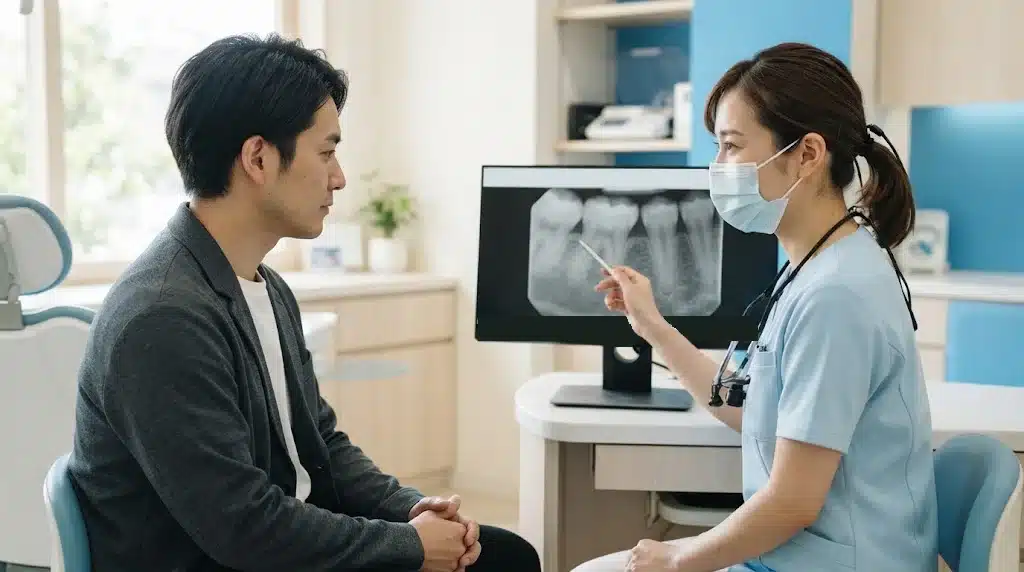
- Conventional impressions for orthodontic treatment can often be uncomfortable and may even trigger a gag reflex. At Bayside Dental Tung Chung, we use intraoral photography, X‑rays, and advanced digital scanning technology to capture an accurate 3D model of your teeth. The process is comfortable and quick.
- The scan data is sent directly to the Invisalign laboratory, reducing waiting times. With the ClinCheck 3D simulation software, you can preview every step of your tooth movement and the final result before treatment even begins – ensuring the outcome meets your expectations.
How Invisalign Works: A Simple 3-Step Process
- Initial Consultation and 3D Imaging
- We start with a detailed consultation where we take photos, X-rays, and digital scans of your teeth. Using this information, we create a custom ClinCheck 3D treatment plan that maps out how your teeth will move over time.
- Custom Aligners
- Based on the 3D treatment plan, we provide you with a series of custom-made aligners. You will wear each aligner for about 1-2 weeks before moving to the next set, progressively shifting your teeth into the desired position.
- Progress Monitoring
- You’ll visit our clinic every 6-8 weeks to monitor your progress and receive new sets of aligners. After completing the treatment, we will provide retainers to maintain your new smile.
At Bayside Dental Tung Chung, we are dedicated to safeguarding your oral health. Feel free to learn more about our Invisalign – Invisible Braces treatment.
Cleaning & Care Guide for Clear Aligners
- Proper cleaning habits not only keep your aligners clean but also extend their lifespan, preventing yellowing, deformation, or bacterial growth caused by improper cleaning.
❌ Common Cleaning Mistakes
| Incorrect Practice | Consequence |
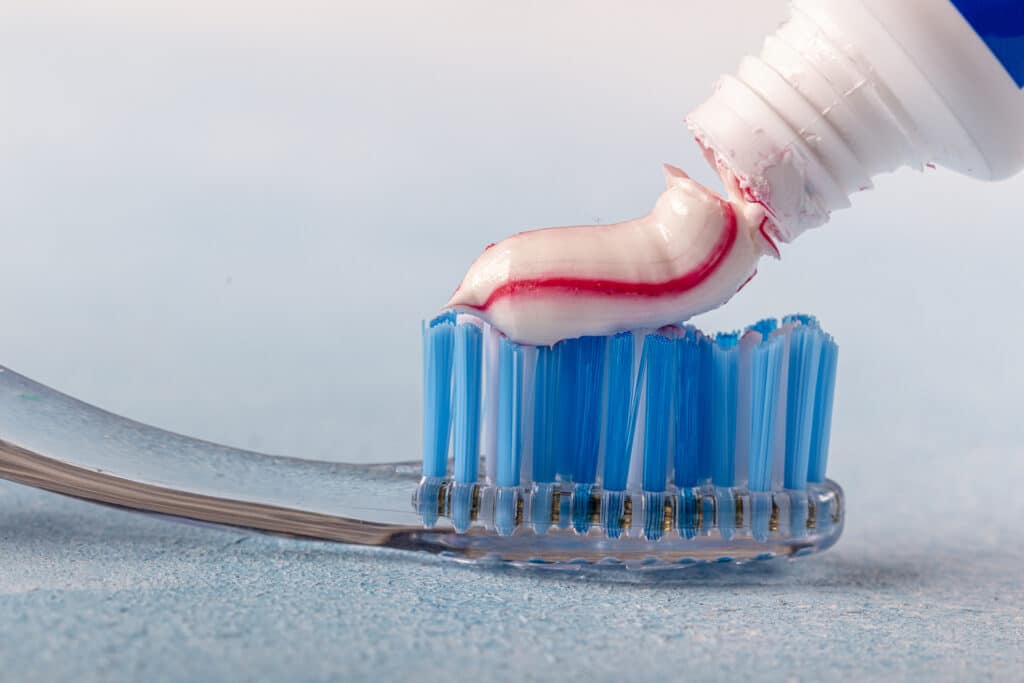
| Brushing aligners with toothpaste | The abrasives in toothpaste scratch the aligner surface, leading to pigment buildup and yellowing. |
| Washing or soaking in hot water | High temperatures can warp or discolour the aligners, affecting how well they fit. |
| Using a hard-bristled brush or wiping with paper towels | Scratches the surface, creating more places for bacteria to hide. |
| Leaving aligners uncleaned for long periods | Food debris decomposes, causing bad odours and bacterial growth. |
✅ Proper Cleaning Steps
- Rinse immediately after removing – Use room‑temperature water to wash away saliva and debris from the surface.
- Gently brush with a soft‑bristled toothbrush – Use a soft brush with plain water or mild neutral soap. Gently brush the inside and outside, paying special attention to the edges of the aligners.
- Soak with cleaning tablets regularly – Use specialised aligner cleaning tablets or denture cleaning tablets 1–2 times per week. Soak for 15–30 minutes to remove stubborn plaque biofilm and odours.
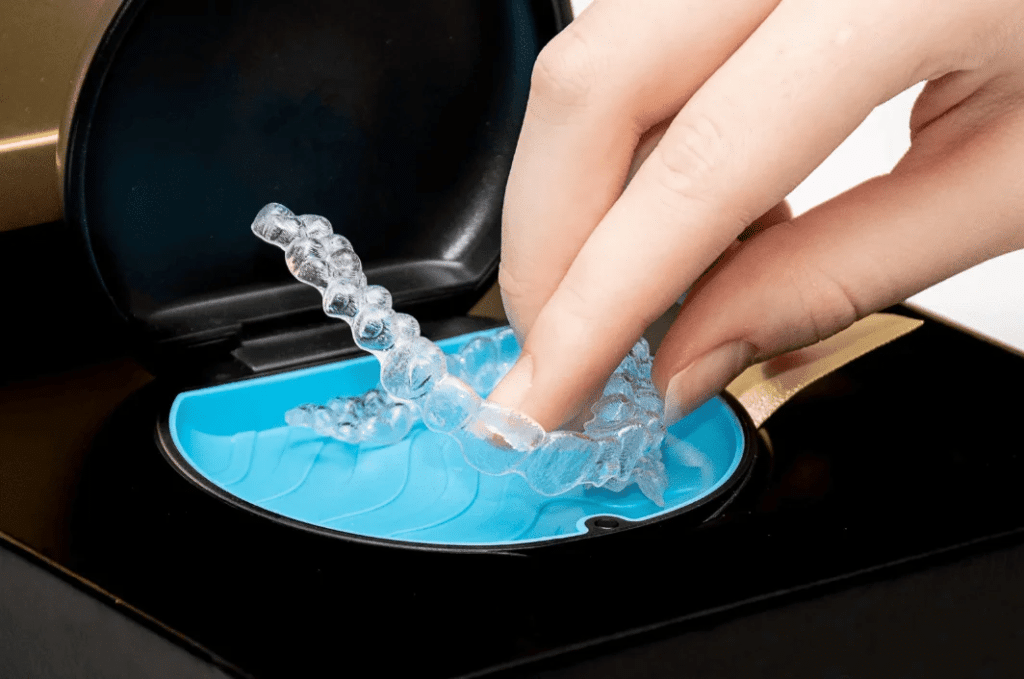
- Store in the dedicated case – Always place your aligners in a ventilated storage case when not wearing them, to prevent bacterial growth in a damp environment.
- When eating out – Carry a travel toothbrush, toothpaste (for cleaning your teeth), and your aligner case. After eating, brush your teeth before putting your aligners back in. If brushing is not possible, rinse your mouth thoroughly with water.
💡 Healthy Tips
- Avoid wearing aligners while drinking staining beverages – When drinking coffee, milk tea, or red wine, it is best to remove your aligners. Using a straw can also help reduce pigment contact with your teeth.
- Do not soak aligners in mouthwash – Some mouthwashes contain alcohol or colourants that may damage the aligner material.
- Weekly deep cleaning – For even better results, you can use an ultrasonic cleaner (designed for aligners) with plain water.
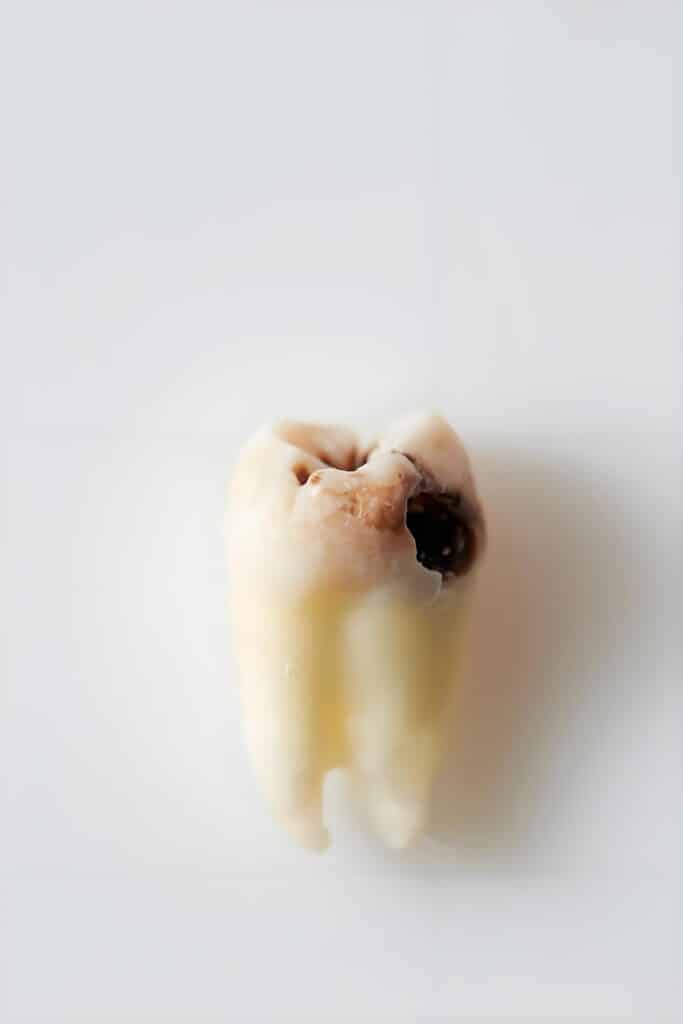
- Improper cleaning of invisible braces may lead to cavities. To learn more about cavity prevention and treatment, check out our article: 2026 Complete Guide to Cavities.
Dental Care During Orthodontic Treatment
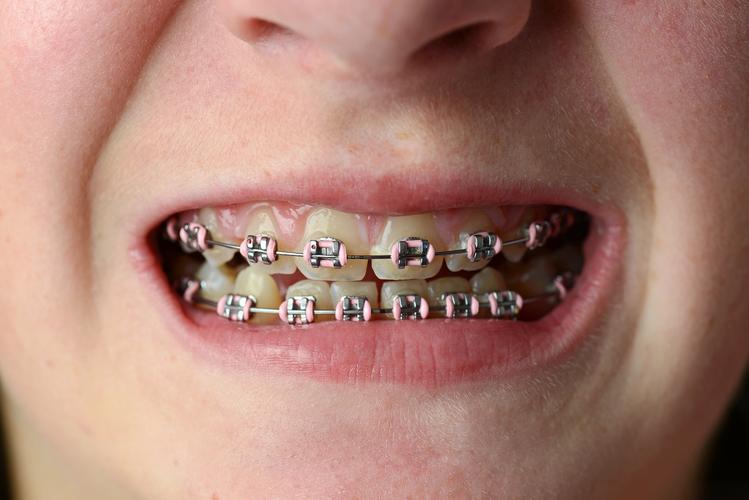
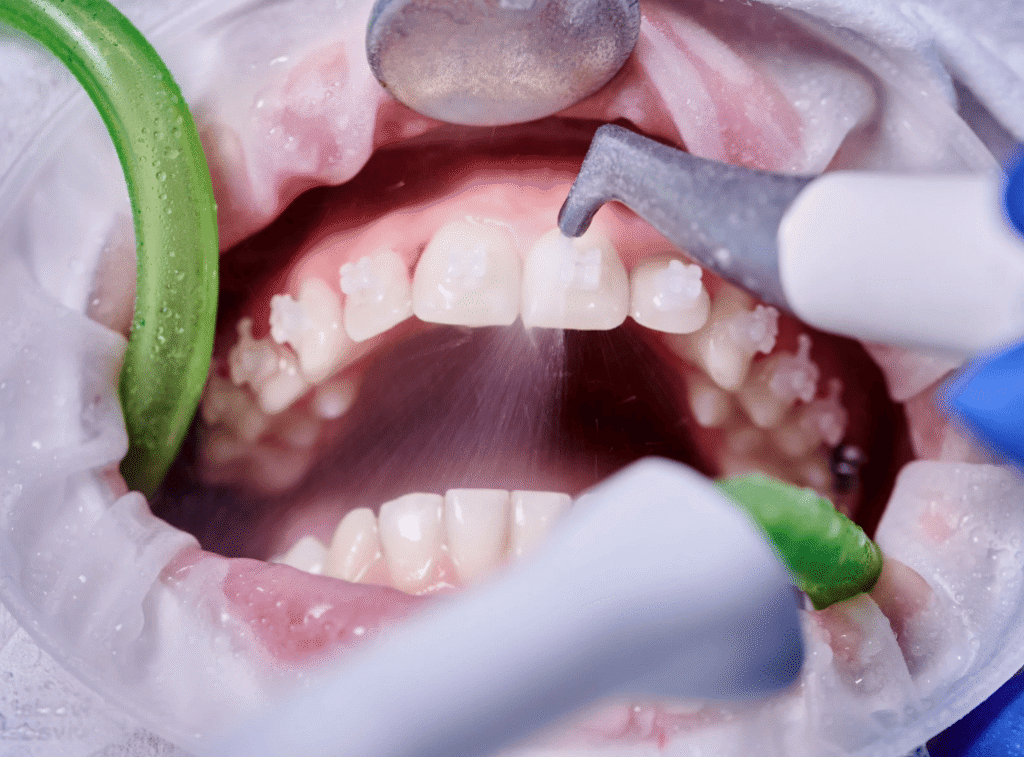
- Whether you are wearing fixed braces or invisible braces, good oral hygiene habits are essential for ensuring successful treatment outcomes and preventing “orthodontic cavities.” Braces make it harder to clean your teeth, which increases the risk of tooth decay, so it helps to use tools such as a toothbrush, interproximal brush, and dental floss to maintain good oral health.
🪥 Daily Cleaning Methods
- 45° Bass brushing Methods – Hold your toothbrush at a 45‑degree angle to the gums. Use gentle vibrating motions to carefully clean above and below the brackets, as well as all tooth surfaces.
- Interproximal brush – Pass it under the archwire to clean between teeth and remove plaque from hard‑to‑reach areas around fixed braces.
- Dental floss – Use at least once a day to remove plaque from the contact points between teeth.
- Water flosser – Helps flush out food debris around brackets, improving cleaning efficiency.
- Fluoride toothpaste – Choose a fluoride toothpaste to strengthen enamel and help prevent cavities.
🏥 Professional Care: The Importance of Regular Dental Cleanings
- A professional dental cleaning at least every six months is recommended during orthodontic treatment. When you have braces, tartar and plaque tend to build up more easily around your teeth, and daily cleaning alone may not remove them completely. Regular professional cleanings effectively remove these stubborn deposits, helping to prevent gum disease and tooth decay.
Invisalign – Invisible Braces vs Fixed Braces (Metal & Ceramic): Which Is Right for You?
| Feature | Invisible Braces | Fixed Braces – Metal & Ceramic |
|---|---|---|
| Appearance | Transparent and custom‑fitted – nearly invisible | Metal brackets or ceramic braces – more noticeable |
| Diet | No restrictions – removable while eating | Must avoid hard, sticky, or staining foods |
| Cleaning | Remove aligners – brush and floss as usual | Requires interproximal brushes and water flossers – more steps involved |
| Comfort | Smooth plastic – less likely to irritate gums or cheeks | Wires may cause irritation – orthodontic wax often needed |
| Sports & Activities | Can be removed to avoid impact during contact sports | Must be worn – a mouthguard is recommended for protection |
| Follow‑up Frequency | Approximately every 6–8 weeks | Approximately every 4–6 weeks |
| Best For | Mild to moderate alignment issues | All types of orthodontic treatment, especially complex bite cases |
📖 For a more detailed comparison of different orthodontic options, check out our previous article:
Complete Guide to Braces
Conclusion
- Invisalign invisible braces offer patients a more flexible and versatile orthodontic treatment option thanks to their transparent appearance, removable design, and comfortable fit.
- Mastering the correct wearing and cleaning habits not only ensures optimal treatment results but also helps maintain long‑term oral health.
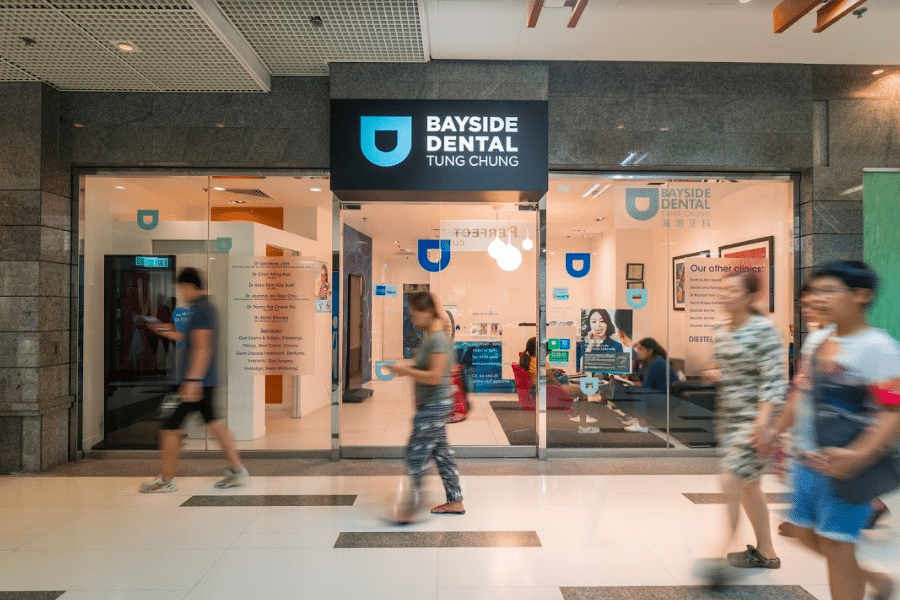
Bayside Dental Tung Chung, at Shop 26, Caribbean Square in Tung Chung, offers Invisalign and braces, has registered specialists in Orthodontics on its team, and is open seven days a week.
For urgent orthodontic problems or discomfort during treatment, contact our emergency dental service.
Frequently Asked Questions About Invisible Braces
How much do clear aligners cost?
Based on private patient fees at the Prince Philip Dental Hospital, invisible braces for both upper and lower arches cost approximately HKD 60,000 – 80,000.
This price is for reference only, not our clinic's actual fees and not an actual quote. The final cost varies depending on case complexity. Please consult your dentist for an accurate estimate.
How long does invisible braces treatment take?
Typically 12 – 24 months, depending on tooth movement and how consistently you wear the aligners.
Wearing your invisible braces for 20‑22 hours per day is essential to stay on track.
Are invisible braces suitable for everyone?
Invisible braces work best for mild to moderate alignment issues.
For very complex bite problems or severe crowding, traditional fixed braces may be more suitable. A dentist’s assessment is required.
Will wearing invisible braces affect my speech?
Will wearing invisible braces affect my speech?
You may notice a slight lisp at first, but most people adapt within a few days.
Do I need to wear a retainer after invisible braces treatment?
Yes.
To prevent your teeth from shifting back, retainers are required – usually in three stages: full-time for the first 3–6 months (about 20–22 hours a day, out only to eat, drink and brush), nights only from about months 6 to 12, then every night or every other night for the long term.
How do I clean invisible braces?
Brush them daily with a soft‑bristled toothbrush and plain water.
Avoid toothpaste and hot water.
When drinking coloured beverages, use a straw and clean your aligners afterwards.
Use specialised cleaning tablets regularly.
Do I need regular dental cleanings during invisible braces treatment?
Yes.
Braces make it easier for tartar and plaque to build up around your teeth, and daily cleaning alone may not remove them completely.
A professional dental cleaning every 3–6 months is recommended to prevent gum disease and tooth decay.
What's the difference between clear aligners, invisible braces and clear (ceramic) braces?
Clear aligners (invisible braces) are removable transparent trays such as Invisalign; clear or ceramic braces are fixed tooth-coloured brackets attached to the teeth. Both are less visible than metal braces but work differently, and a dentist advises which suits your case.
Invisalign Full vs Lite vs Go: which one suits me?
They are the same brand's options for different levels of complexity. Full suits more complex cases, while Lite and Go suit mild to moderate crowding over a shorter course. Suitability is determined by a clinical assessment.