
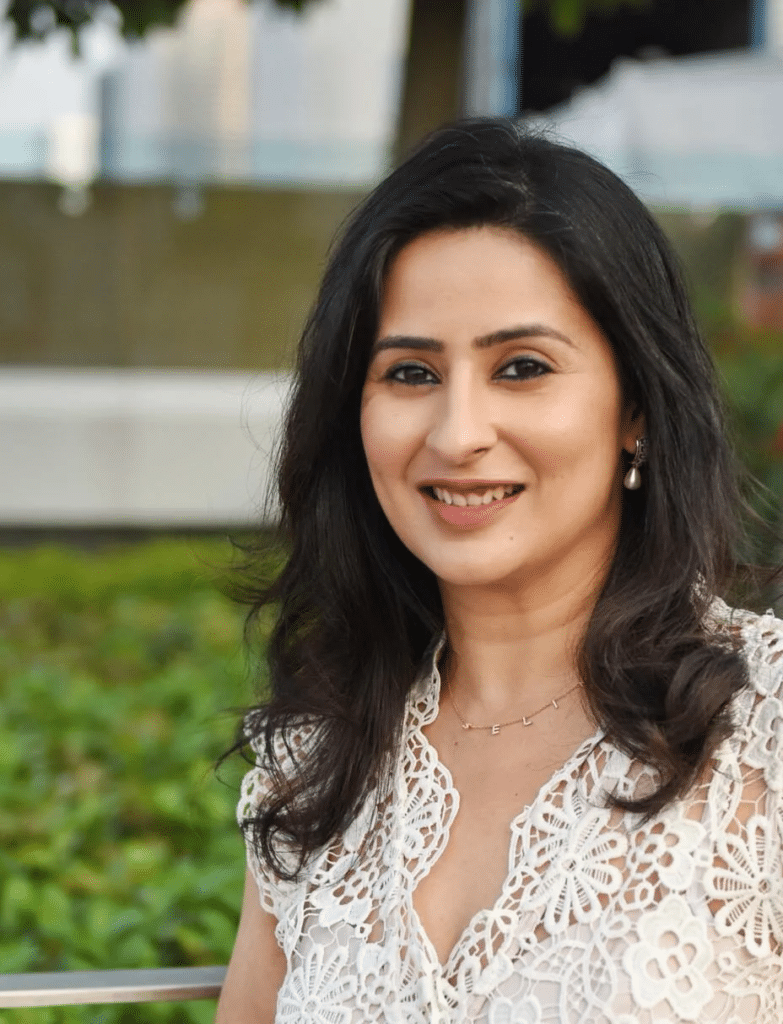
Dr. Selina Chhabra Rampal
Specialist in Paediatric (Kids) Dentist Under Sedation Dentistry
BDS(India), MDS (HK), MPaed Dent RCS (Ed)
MPaed Dent RCS (Eng), FCDSHK (Paediatric)
Speaks English, Hindi
Looking for a gentle kids dentist in Tung Chung? At Bayside Dental Tung Chung we provide unhurried dental care for children — from a baby’s first tooth right through the teenage years. Your child is looked after by a team of experienced general dentists working together with a dentist who has completed specialist training in paediatric dentistry. Whether it’s a first check-up, a small filling, or a braces assessment, we take the time to make every visit feel calm and familiar.
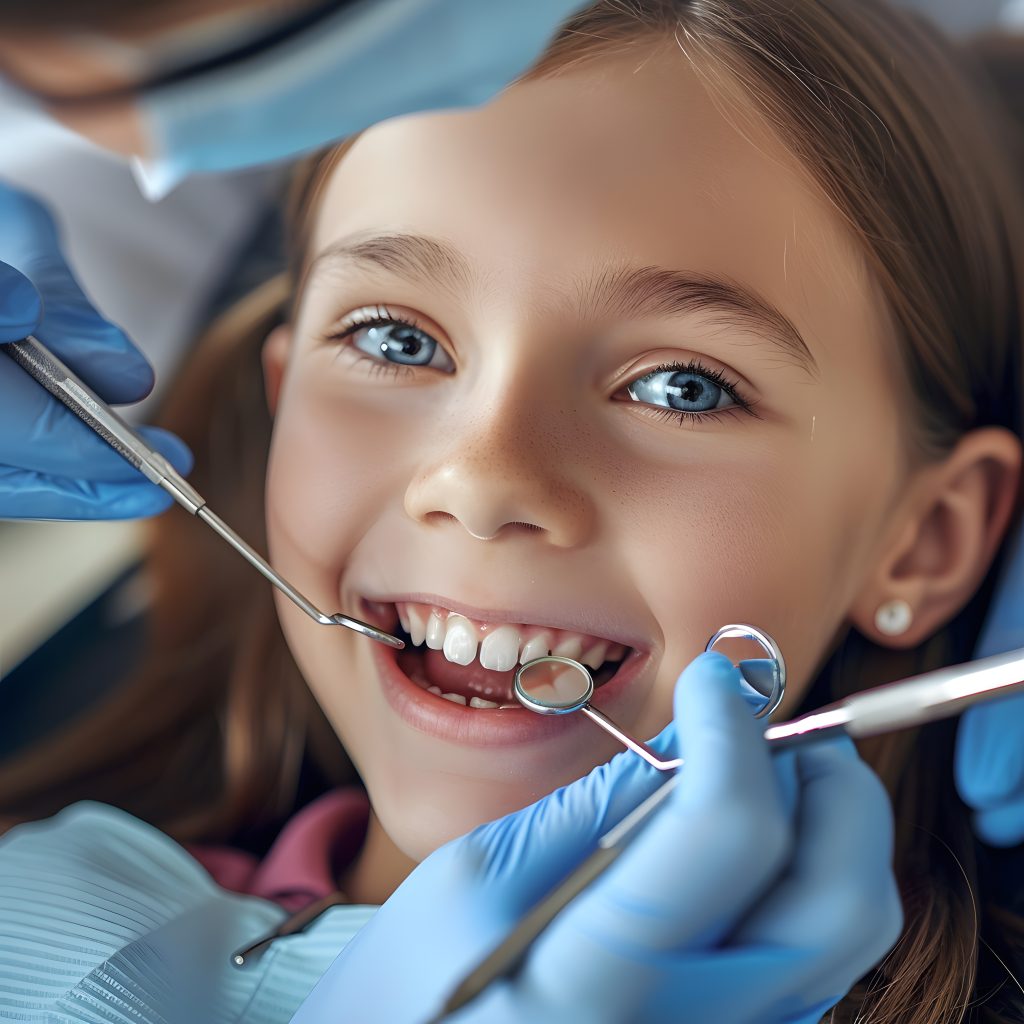
Caring for a child’s teeth takes more than technical skill — it takes patience and empathy too. Children feel most at ease with a dentist they know and trust, so we try to keep the same familiar faces looking after your family through every stage of growing up. Everyday check-ups, cleanings and preventive care are handled by general dentists who work with children regularly, while more involved treatment is overseen by team members with specialist qualifications in paediatric dentistry.
Dr. Selina Chhabra Rampal holds specialist qualifications in paediatric dentistry (MPaed Dent RCS, FCDSHK in Paediatric Dentistry). She focuses on the dental needs of babies, children and teenagers — catching decay early, keeping an eye on dental development, and helping anxious children receive comfortable treatment in a reassuring environment.
Dr. Purvi Ankit Gohil and Dr. Ming Hon Chim are general dentists on our team with extensive experience across both children’s and adult dental care. Working together, the team can follow your child at one familiar practice — from their very first baby tooth, through the years of losing baby teeth and orthodontic treatment, all the way to caring for their oral health into adulthood. Seeing the whole family in one place saves the back-and-forth and helps regular check-ups become a natural habit that lays the foundation for lifelong oral health.
Specialist in Paediatric (Kids) Dentist Under Sedation Dentistry
BDS(India), MDS (HK), MPaed Dent RCS (Ed)
MPaed Dent RCS (Eng), FCDSHK (Paediatric)
Speaks English, Hindi
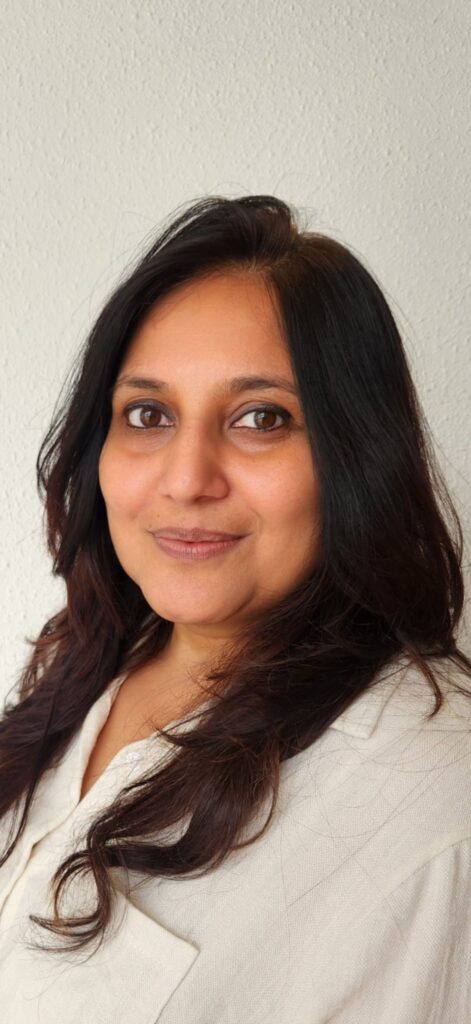
General Dentist
Bachelor of Dental Surgery of the Maharashtra
University of Health Sciences, Nashik, India (2003)
Speaks English, Hindi

General Dentist
Bachelor of Dental Surgery of the University of Hong Kong (2013)
Speaks English, Cantonese, Mandarin
It’s a common belief that baby teeth “don’t matter because they fall out anyway.” They matter more than most parents expect.
Baby teeth hold the space for the adult teeth forming underneath. They help your child chew properly, speak clearly, and smile with confidence. When a baby tooth is lost too early to decay, the neighbouring teeth can drift into the gap, leaving less room for the permanent tooth and setting up crowding problems later on.
Tooth decay is also the most common long-term health condition in children, and a painful tooth means disturbed sleep, difficulty eating, and missed school days. The reassuring part is that most childhood decay is preventable — regular check-ups, simple preventive treatments like fluoride and fissure sealants, and good habits at home keep the vast majority of problems away before they start. Starting early also teaches your child that the dentist is a normal, unthreatening part of staying healthy.
The general guidance is to bring your child for their first dental visit by their first birthday, or within six months of the first tooth coming through — whichever comes first.
That may sound early, but the first visit isn’t about treatment. It’s a gentle introduction, and your child gets to sit in the chair, meet the team, and learn that a dental visit is nothing to worry about. A tip that works well: bring your toddler along to a parent’s own check-up first — watching mum or dad have their teeth counted, with nothing scary happening, takes a lot of the mystery out of their own first appointment. After that, a routine check-up roughly every six months is usually right for most children.
From everyday prevention to treatment when it’s needed, we offer comprehensive dental care for children.
A quick, painless treatment where fluoride varnish or gel is painted onto the teeth. Fluoride strengthens the enamel and helps reverse the very earliest stages of decay before a cavity forms. It takes only a couple of minutes, needs no numbing, and is one of the most effective ways to protect a child’s teeth between check-ups.
Back teeth have deep grooves and pits on their chewing surfaces that a toothbrush can’t reach into — and that’s where most childhood cavities begin. A fissure sealant is a thin protective coating painted into those grooves to seal them off from food and bacteria. There’s no drilling and no injection. Sealants are ideal when the permanent molars come through, around ages 6–7 and again around 11–13, and can dramatically reduce the risk of decay. Learn more in our complete guide to cavities.
If a cavity has already formed, a filling removes the decay and restores the tooth. Modern children’s fillings are gentle: we use a numbing gel before any local anaesthetic, work slowly, and explain each step in child-friendly language. Treating decay early, while it’s small, keeps the visit short and comfortable. See our tooth fillings page for more.
When decay reaches the soft inner part (the pulp) of a baby tooth, removing the tooth isn’t always best — it may still be needed for years to hold space and help chewing. A pulpotomy removes the affected pulp, disinfects the area, and seals the tooth so it stays healthy until it’s ready to fall out naturally. It’s the children’s equivalent of saving a tooth rather than losing it. For the adult version, see root canal treatment.
When a baby tooth is badly decayed or broken — or after pulp treatment — a simple filling may not be strong enough to hold it together. A stainless-steel crown is a pre-made cap that covers the whole tooth, protecting it from further decay and letting your child chew normally. It’s durable, fitted in a single visit, and stays in place until the baby tooth falls out on its own.
Sometimes a baby tooth is too damaged to save, or one needs to be removed to help other teeth come through properly. When extraction is genuinely the best option, we do it as gently and calmly as possible, keeping your child comfortable throughout.
Children are active, and a chipped, loosened, or knocked-out tooth after a fall is common. Dental trauma is time-sensitive: if a permanent (adult) tooth is knocked out, hold it by the crown (not the root), don’t scrub it, keep it in milk or in the cheek, and get to a dentist as fast as you can. Call us straight away, or see our emergency dental page for what to do.
This covers the children’s treatments families ask us about most. If your child needs something you don’t see here — or you’re not sure what kind of care they need — our Tung Chung team is always happy to talk it through and point you in the right direction. Just get in touch.
Straight teeth aren’t only about appearance — a good bite is easier to clean, chews better, and puts less strain on the teeth and jaw. Orthodontists generally suggest a first orthodontic assessment around age 7. That doesn’t mean braces at seven; it means checking how the adult teeth and jaw are coming through while your child is still growing, so a developing problem can sometimes be guided with simpler treatment later.
For most children, active braces treatment begins later, once more adult teeth are in place — often around ages 11–14. Depending on the case, options may include traditional braces or clear aligners for suitable older children and teens. If you’re wondering whether your child needs braces, the honest first step is an assessment, not a sales pitch: we’ll look at the bite, explain what we see, and tell you plainly whether treatment is needed now, later, or not at all. For a deeper read, see our guide to teen orthodontics.

A relaxed child is at the heart of good paediatric dentistry, so a lot of what we do is simply about comfort. We work at the child’s pace, explain instruments in friendly terms (“we’re going to count your teeth” rather than clinical words), let nervous children see and touch things first, and keep parents alongside their child. Small wins — a successful first visit with nothing scary happening — build the confidence that makes every future appointment easier.
For children who are especially anxious, or for treatment that would otherwise be difficult to sit through, we offer “happy gas” (relative analgesia) — a mix of nitrous oxide and oxygen breathed through a small nose mask. It helps children feel calm during treatment, wears off within minutes afterwards, and your child stays awake and able to respond throughout. If your child has had a frightening dental experience before, tell us, and we’ll slow everything down and rebuild their trust from scratch.
Choosing a dentist for your child is a personal decision, and “the right one” depends on your family. Rather than tell you who to pick, here are objective things worth checking when you compare children’s dental clinics in Hong Kong:
Use these as a checklist when you visit any clinic, including ours. A short first appointment will tell you a lot about whether it’s a good fit for your child, and we’re happy to answer any of these questions when you come in.
Parents naturally want to know what children’s dental care costs. The honest answer is that it depends on the child and what they need — a routine check-up and fluoride is very different from a filling, a crown, or orthodontic treatment. Rather than quote a one-size-fits-all figure, we look at your child, explain what (if anything) is needed, and give you a clear estimate at the consultation before any treatment goes ahead. There are no surprises.
For a general sense of dental pricing in Hong Kong, a useful public reference is the Prince Philip Dental Hospital fee schedule, which lists indicative ranges for common treatments. We’ve summarised these on our Hong Kong dental fee reference page. Please note those figures are for reference only — they reflect general market ranges, not our clinic’s actual prices, and your child’s exact fee is confirmed after we’ve seen them.
Most of what keeps children’s teeth healthy happens at home, between visits. A few habits go a long way.
Wipe your baby’s gums with a clean, damp cloth even before teeth appear, and start brushing as soon as the first tooth comes through.
A child-sized soft-bristled toothbrush, replaced every three to four months, with an age-appropriate amount of fluoride toothpaste — a smear for under-3s and a pea-sized amount after.
A favourite song or a two-minute timer helps make brushing a routine rather than a battle. Brushing together sets a good example.
Young children can’t brush thoroughly on their own — supervise and help until around age 7, angling the brush gently at the gum line and reaching every surface.
It’s how often teeth meet sugar that matters most. Keep sweets and sugary drinks to mealtimes, offer water in between, and never send your child to bed with a bottle of anything but water.
Regular visits let us catch tiny problems while they’re still easy and painless to fix. For more on stopping cavities before they start, see our cavities and prevention guide.
Bayside Dental Tung Chung is at Shop 26, Caribbean Square, 1 Kin Tung Road, Tung Chung, on Lantau Island — a short walk from Tung Chung MTR and easy to reach for families living locally, in Discovery Bay, and across Lantau. Being close to home is one of the quiet secrets of good children’s dental care: it makes those regular six-month visits easy to keep, so your child’s teeth are looked after consistently as they grow.
We see whole families here, from a baby’s very first check-up to a teenager’s braces review, which means fewer separate trips and the same trusted team for everyone. If you’re new to the clinic, a first visit is a relaxed way to meet the team — learn more about us.

Contact us to arrange a gentle children’s dental consultation and help protect your child’s smile.
By their first birthday, or within six months of the first tooth appearing — whichever comes first. Early visits are short and friendly, focused on getting your child comfortable and checking that everything is developing normally, rather than on treatment.
For most children, a check-up roughly every six months is right. Regular visits let us spot small problems while they’re still easy and painless to treat. Some children at higher risk of decay may be seen a little more often.
Orthodontists generally suggest a first orthodontic assessment around age 7 — not to start braces early, but to check how the teeth and jaw are developing while there’s still time to guide growth if needed. Active braces treatment usually begins later, often around ages 11–14.
We work at your child’s pace, explain everything in friendly terms, and let them warm up before anything happens, with parents alongside. For especially anxious children we offer “happy gas” (relative analgesia), which helps them relax and wears off within minutes. If your child has had a scary experience before, let us know and we’ll take it slowly.
A combination works best: brushing twice a day with fluoride toothpaste, keeping sugary snacks and drinks to mealtimes, and regular check-ups. In the clinic, fluoride application and fissure sealants add extra protection to the teeth most likely to decay.
Look at whether paediatric expertise is available, how the dentist relates to your child, whether the clinic feels child-friendly and prevention-focused, whether it can handle emergencies, and whether it’s convenient enough that you’ll keep up regular visits. A short first appointment usually tells you whether a clinic is a good fit.
Yes. Used in the right amount, fluoride is a safe and well-established way to strengthen enamel and prevent decay. In the clinic we apply a controlled dose of fluoride varnish or gel; at home, use a smear of fluoride toothpaste for under-3s and a pea-sized amount for older children. We’re happy to show you the right amount.
Fissure sealants are thin protective coatings painted into the deep grooves of the back teeth, where most childhood cavities start. Applying them is quick and completely painless — no drilling or injection. They’re especially worthwhile when the permanent molars come through, around ages 6–7 and 11–13. We’ll advise at your check-up.
It depends on your child and what they need — a check-up and fluoride is very different from a filling or a crown. We give you a clear estimate at the consultation before any treatment. For general Hong Kong ranges, our fee reference page summarises the public Prince Philip Dental Hospital fee schedule (reference only — not our clinic’s actual pricing).