
Tooth Fillings Guide: Benefits, Procedure, Materials, and Cost
📌 Dental Fillings: Key Takeaways
What it is: A filling repairs a decayed tooth: the decay is removed and the cavity sealed to stop it spreading.
Material options: Tooth-coloured composite and other materials, varying in look, durability and cost.
The procedure: Usually completed in one visit under local anaesthetic, with little or no discomfort.
Signs you may need one: Sensitivity, visible holes or dark spots, or pain when biting.
Cost: Depends on material and cavity size, confirmed after an examination.
👉 Tooth fillings in Tung Chung
What it is: A filling repairs a decayed tooth: the decay is removed and the cavity sealed to stop it spreading.
Material options: Tooth-coloured composite and other materials, varying in look, durability and cost.
The procedure: Usually completed in one visit under local anaesthetic, with little or no discomfort.
Signs you may need one: Sensitivity, visible holes or dark spots, or pain when biting.
Cost: Depends on material and cavity size, confirmed after an examination.
👉 Tooth fillings in Tung Chung
- Last updated: 21/09/2026
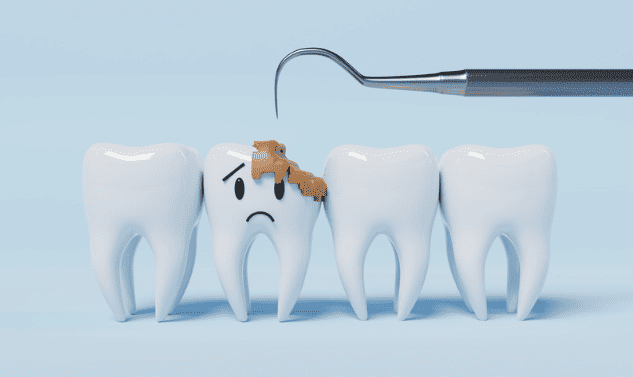
Table of Contents
What is a Tooth Filling? Why Address Damaged Teeth Promptly?
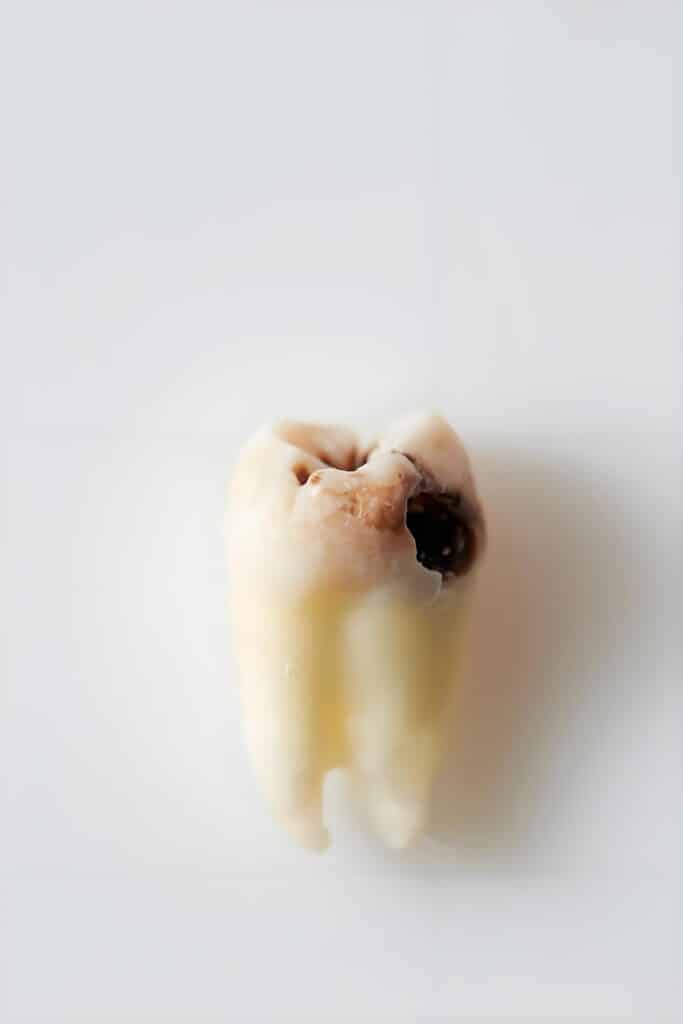
A tooth filling is a common dental procedure aimed at repairing teeth damaged by decay or injury, restoring their shape and function.
Damaged teeth can affect your appearance, lead to tooth sensitivity, make chewing difficult, and may even cause more severe oral health issues. If left untreated, damaged teeth allow bacteria to reach the tooth pulp, eventually leading to the need for more complex and costly treatments like root canal treatment or tooth extraction. Therefore, prompt tooth filling is essential for maintaining oral health, protecting tooth structure, and preventing greater health risks.
Benefits of Tooth Fillings: Why Get a Tooth Filled?
Prevent Further Tooth Decay
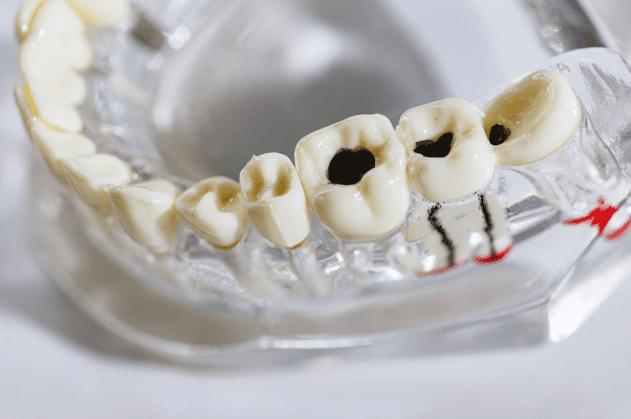
Untreated cavities create breeding grounds for bacteria, which can erode the tooth further and even infect the pulp. Fillings clear decay and prevent bacteria from spreading.
Restore Normal Function
Damaged teeth can impair chewing, making eating uncomfortable. Fillings restore the tooth’s function, enabling normal eating.
Reduce Sensitivity and Pain
Exposed nerves from damaged teeth can lead to sensitivity or pain. Fillings protect nerves, reducing sensitivity.
Enhance Tooth Stability
Unfilled, weakened teeth are prone to fractures. Fillings stabilize the structure and boost overall oral health.
Maintain Aesthetic Appearance
Fillings restore teeth to a natural appearance, especially important for front teeth. Modern filling materials closely match natural tooth color.
The Tooth Filling Procedure: Steps from Examination to Polishing
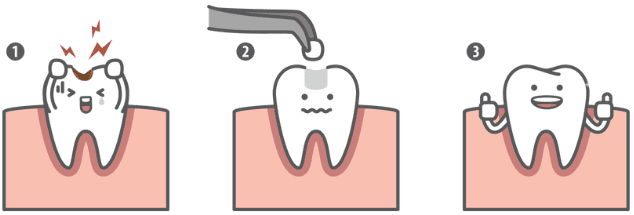
The specific steps in a tooth filling procedure may vary depending on the degree of damage and chosen materials, but generally include:
1. Examination and Diagnosis
Dentists assess the extent of tooth damage, often using X-rays, to decide on an appropriate treatment method.
2. Anesthesia
To minimize discomfort, local anesthesia is typically applied, especially for deep cavities, ensuring a comfortable experience.
3. Decay Removal
The dentist removes the decayed area and smooths the tooth surface to prepare for filling material placement.
4. Material Selection and Filling
Based on the patient’s needs and tooth location, a suitable filling material, such as composite resin or glass ionomer, is selected and placed into the cavity.
5. Shaping and Adjusting
The dentist shapes the filling to fit naturally with the bite, preventing unusual bite pressure.
6. Final Polishing
The filling is polished to create a smooth, durable surface, ensuring a comfortable bite.
Tooth Filling Materials: Pros and Cons of Each
We practise Mercury-Free Dentistry: our fillings use only mercury-free, tooth-coloured materials such as composite resin, ceramic and glass ionomer.
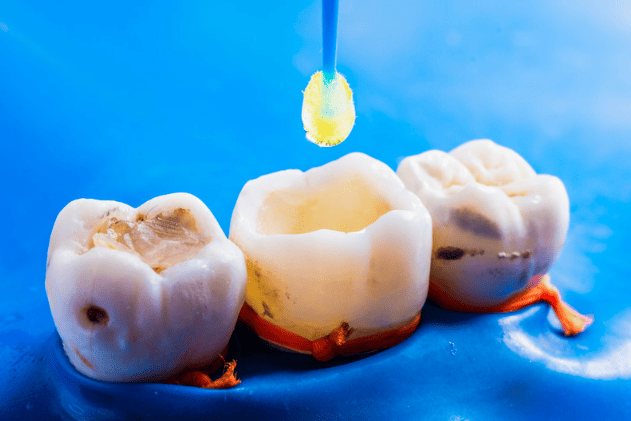
Selecting the right filling material is crucial for durability, aesthetics, and performance. Common options include:
Composite Resin
Popular due to its close resemblance to natural teeth, composite resin suits front teeth and areas where aesthetics are important.
Ceramic
Ceramic fillings are highly aesthetic and stain-resistant, ideal for long-term use in visible areas, though they tend to be more expensive.
Gold Alloy
Highly durable and corrosion-resistant, gold alloy is suitable for back teeth but is costly and visibly different in color.
Types of Tooth Fillings
Direct Fillings
Used for minor damage. Dentists apply the filling material directly, suitable for surface or medium-depth cavities.
Indirect Fillings
For extensive damage, indirect fillings like crowns, inlays, or onlays, made in a lab, provide stronger support for the tooth.
Deep Fillings
Needed when decay reaches close to the pulp, often requiring root canal treatment before the filling to protect against further infection.
How much does a filling cost in Hong Kong?
A filling in Hong Kong generally costs about HK$900 to $3,000, depending on the material and the cavity, with no flat fee. According to the fee schedule of the Prince Philip Dental Hospital (PPDH), a composite resin filling is about HK$900 to $3,000, and a glass ionomer filling about HK$900 to $1,500. Your actual cost depends on several factors:
- the size and depth of the cavity
- the tooth’s position and how much chewing load it takes
- the filling material chosen
- how complex the preparation and restoration are
These figures are for reference only and do not represent our clinic’s actual pricing. The exact cost is determined after a clinical exam and X-rays. For a wider view of market fee ranges across treatments, see our Hong Kong dental fee reference.
Does getting a filling hurt?
A modern filling is generally comfortable, carried out under local anaesthetic. The dentist first applies a topical numbing gel, then gives local anaesthesia through an ultra-fine needle, working gently throughout. Once the area is numb, you usually feel only slight pressure or vibration, not pain. If you tend to feel anxious, ask about sedation options. As for whether a filling hurts afterwards, any discomfort once the anaesthetic wears off is usually short-lived; if you have lasting sensitivity to hot, cold or biting, book a review.
How long does a filling last?
With good care, a filling typically lasts 7 to 15 years or more. Its lifespan depends on the material used, the size and position of the filling, your oral hygiene, and habits such as grinding or a high-sugar diet. Regular check-ups help catch problems early and extend a filling’s life. A dentist may recommend replacing a filling when new decay forms at the edges (recurrent decay), when it wears or cracks from chewing, or when the margin leaks over time. A filling itself does not decay, but new decay can still form where it meets the tooth, so careful cleaning and routine check-ups matter.
When a filling is not enough
If decay covers a large area, or a tooth has been filled repeatedly, a simple filling may not withstand chewing forces, and the dentist may suggest a dental crown for support. The difference between a filling and root canal treatment is this: a filling repairs decay in the outer to middle layers of the tooth, while root canal treatment is for when decay reaches the pulp and causes inflammation or infection. Whether further treatment is needed is decided after a clinical examination.
Post-Filling Care Tips: How to Maintain the Filling’s Effectiveness
To ensure the longevity of your filling, consider the following care tips:
Avoid Hard or Sticky Foods
After a filling, avoid excessive chewing on hard foods or sticky items to prevent the filling from dislodging.
Maintain Good Oral Hygiene
Brush daily and use dental floss to prevent bacteria buildup that could lead to new cavities.
Regular Check-Ups
Schedule oral check-ups every 6–12 months so the dentist can monitor and adjust your fillings if necessary.
Avoid Temperature Sensitivity
Filled teeth can initially be sensitive to temperature changes, so avoid extreme temperatures in the early days post-filling.
Conclusion
Getting a tooth filled not only repairs damage but also promotes overall oral health and quality of life. Fillings effectively protect tooth structure, restore function, prevent further deterioration, and enhance daily comfort and confidence. Treating tooth issues early can lower future medical risks and costs, making tooth fillings a valuable investment in health. If you’re considering a tooth filling, consult a professional dentist for the best treatment plan to ensure long-lasting health and aesthetic benefits. If you would like to book a filling directly, visit our Tooth Fillings service page in Tung Chung, where our professional dentists can assess your tooth and arrange suitable treatment.
Frequently Asked Questions About Tooth Fillings
Is a tooth filling painful?
Local anaesthesia is typically used, so you should feel little or no pain during the procedure. There may be mild discomfort afterward, but it subsides quickly.
Are your fillings mercury-free?
Yes. We practise Mercury-Free Dentistry and use tooth-coloured, mercury-free materials such as composite resin, ceramic and glass ionomer. Composite resin closely matches natural teeth and is the material we use most often.
How long does a tooth filling take?
Depending on the damage, a filling typically takes 30 minutes to an hour per tooth.
Can I eat right after a filling?
Some materials need a few hours to harden, so follow your dentist’s advice on eating times.
How long will a filling last?
Filling longevity varies by material and care. Composite resin generally lasts 5 to 10 years, while ceramic and gold alloy have longer lifespans.
Why does my tooth feel sensitive after a filling?
Sensitivity is normal and should resolve in a few days. Consult your dentist if it persists.
Can I get only part of the tooth filled?
This depends on the extent of damage. Dentists will provide personalised advice based on your needs.
Are there side effects of fillings?
Fillings rarely cause side effects, but certain materials may cause allergic reactions in some individuals. Ask your dentist for advice on the most suitable materials.
How much does a filling cost?
Per the Prince Philip Dental Hospital fee schedule, a composite filling is about HK$900 to $3,000 and glass ionomer about HK$900 to $1,500. These are market reference ranges, not our clinic’s actual pricing; the exact cost is set after an exam and X-rays.
Can the filling be done the same day, or is a temporary filling needed?
Small cavities can usually be filled the same day. If decay is deeper or the case is more complex, the dentist may place a temporary filling first and complete the final restoration later. The plan is confirmed after your exam.
Disclaimer
This article is for informational purposes only and does not constitute professional dental advice. If you require dental treatment or related information, we recommend consulting a professional dentist registered with the Dental Council of Hong Kong to obtain advice and diagnosis tailored to your individual needs.
While we strive to provide accurate and reliable information, we do not guarantee the completeness or timeliness of the content. The information provided should not be considered a substitute for professional dental advice, diagnosis, or treatment. If you have any concerns, please consult your dentist or other qualified healthcare professional and follow their recommendations.

Bayside Dental Tung Chung – Your Trusted Dental Care!
Our expert team is here for emergency and routine care to keep your smile healthy. Call or WhatsApp us today!
- Emergency Contact: +852 2185 6550
- After Hours: +852 6071 4530
- WhatsApp: +852 5915 5118
Share This Article
More Articles