
Want to keep your teeth bright and prevent gum disease? Teeth cleaning is one of the simplest ways to protect your oral health.
In this guide, we’ll explain everything you need to know, including the teeth cleaning procedure, cost, benefits, aftercare tips, and answers to common questions such as “Does teeth cleaning hurt?” and “How often should I get my teeth cleaned?”
Our dental team provides safe and comfortable cleaning services to help you maintain a healthy, confident smile.
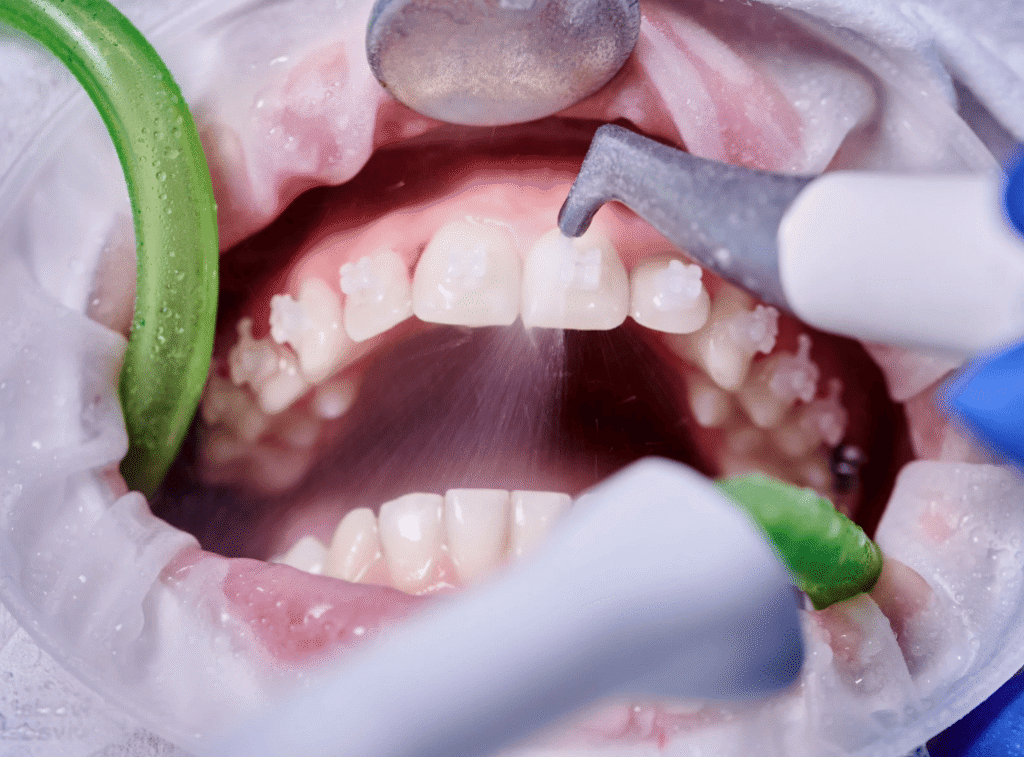
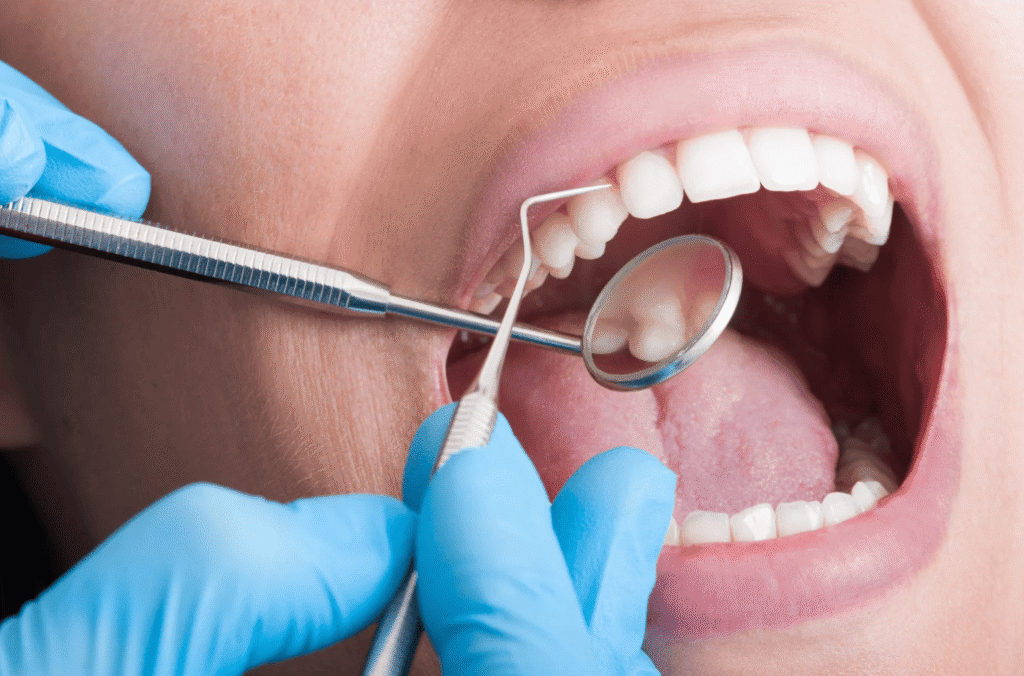
Teeth cleaning — also known as professional dental cleaning or scaling and polishing — is a preventive dental procedure performed by a dentist or dental hygienist.
Using specialised ultrasonic instruments and manual tools, your dental professional removes plaque, tartar (calculus), and surface stains from your teeth.
This treatment not only keeps your smile clean and fresh but also helps prevent tooth decay, bad breath, and gum disease.
Regular teeth cleaning is an essential part of maintaining lifelong oral health and forms the foundation for a brighter, healthier smile.
Many people believe that brushing twice a day and using dental floss or interdental brushes are enough to keep their mouth clean. In reality, even with excellent daily oral hygiene, it’s nearly impossible to completely remove all plaque from between the teeth and along the gumline. Over time, this soft plaque hardens into tartar (calculus) — a rough mineral deposit that cannot be removed by brushing alone and requires professional teeth cleaning by a dentist or dental hygienist.
In today’s busy urban lifestyle, frequent consumption of coffee, tea, and tobacco makes people more prone to staining and tartar build-up. That’s why regular professional teeth cleaning is not just about appearance — it’s a crucial preventive dental treatment that protects your long-term oral health.
In summary, regular dental cleaning is more than a cosmetic routine — it’s an essential investment in your oral health. By visiting your dentist every six months for professional cleaning, you can effectively prevent tartar accumulation, reduce the risk of periodontal disease, and maintain fresh breath and a confident, healthy smile for years to come.
No matter where you are in Hong Kong, we offer convenient and professional dental care. With five clinics located in Central, Tung Chung, and Discovery Bay, we make it easy for you to access trusted dental treatment.

We Accept Health Care Vouchers!
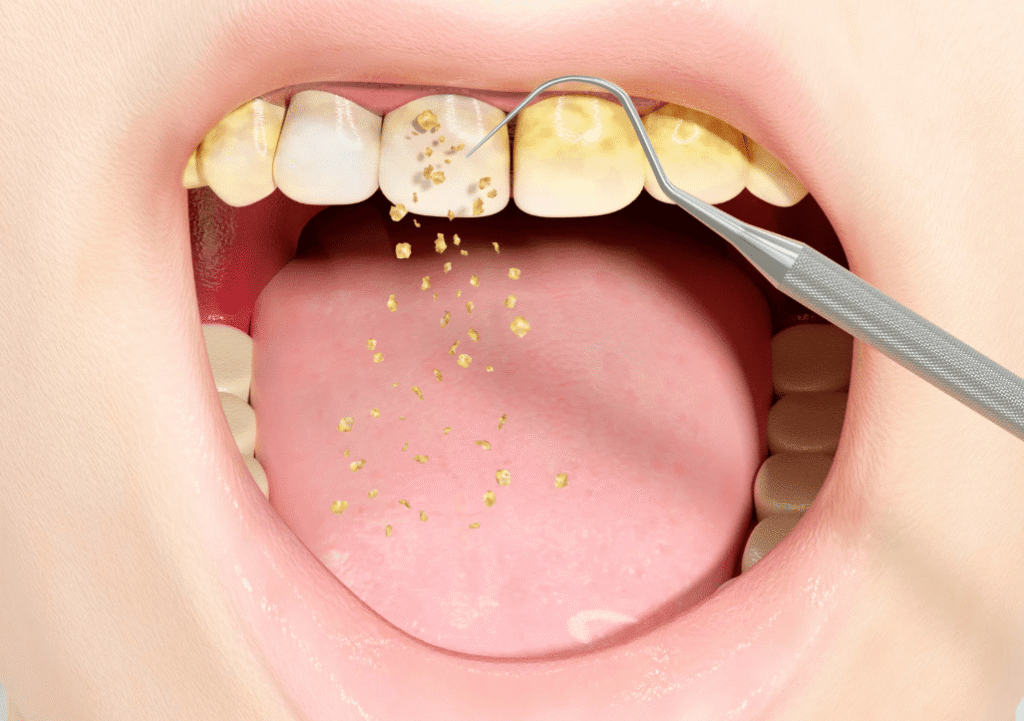
Teeth cleaning (Scaling and Polishing) is a safe and routine dental treatment that usually takes around 30 to 45 minutes.
The procedure is performed by a dentist or dental hygienist using professional ultrasonic and manual instruments. It is gentle, and most patients do not experience any pain or discomfort.
Here’s what typically happens during a professional cleaning session:
Before starting, your dentist will carefully examine your overall oral condition, including:
If advanced gum disease or heavy tartar build-up is found, your dentist may recommend a deep cleaning (Scaling and Root Planing) in stages to ensure effective results.
💡 Dentist’s Tip: Brushing alone cannot remove tartar. Only professional dental cleaning performed by a dentist or hygienist can safely and completely remove these hardened deposits.
The dentist or hygienist will use an ultrasonic scaler and fine hand instruments to remove:
You may hear a gentle buzzing sound and feel a light mist of water — this is completely normal. If your gums are inflamed or sensitive, slight bleeding may occur, which usually subsides within a few days.
After tartar removal, your dentist will polish your teeth using a special fine-grain polishing paste.
This helps to:
Some patients may opt for a fluoride gel or varnish after cleaning. This treatment helps to:
It’s normal to experience temporary sensitivity or mild gum bleeding after cleaning. These effects usually disappear within a few days. To promote healing and maintain long-term oral health, follow these care recommendations:
Teeth may be slightly more sensitive after cleaning, so avoid extreme temperatures to prevent irritation.
Drinks such as coffee, tea, and red wine can cause staining right after cleaning — it’s best to avoid them for the first day.
Brush twice daily and floss or use interdental brushes to remove debris and extend the benefits of your cleaning.
If slight bleeding or swelling occurs, it should subside within two to three days. Contact your dentist promptly if bleeding persists or discomfort worsens.
Follow your dentist’s recommended recall interval to monitor gum health and prevent tartar build-up over time.
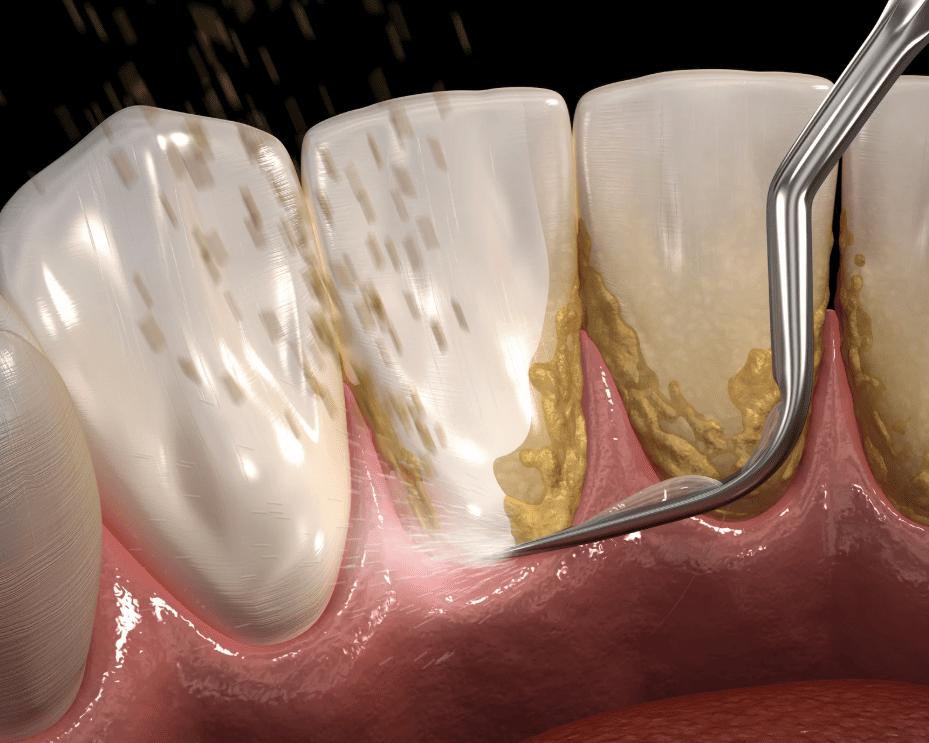
This is one of the most common questions patients ask before booking a dental cleaning. In most cases, teeth cleaning does not hurt. You may simply feel a mild vibration or a fine mist of water during the ultrasonic scaling process.
However, some patients may experience temporary discomfort or sensitivity if any of the following conditions are present:
These sensations are generally mild and fade naturally within one or two days after the procedure. Modern dental clinics now use low-vibration ultrasonic scalers combined with warm water rinsing systems to enhance comfort. In cases of severe sensitivity, local anaesthesia can also be applied to ensure a pain-free experience.
If you are particularly sensitive to pain, simply inform your dentist before the procedure. Your dentist can adjust the cleaning intensity or perform it in shorter sections to make the session more comfortable and relaxing.
Regular professional cleaning is essential for maintaining healthy teeth and gums. According to dental recommendations, the ideal frequency is:
Scheduling regular teeth cleaning helps to:
Skipping regular dental cleaning allows tartar to accumulate below the gumline, leading to gum infection, bone loss, and even tooth loosening.
For optimal oral health, it’s highly recommended to maintain consistent check-ups and professional cleaning sessions.
In Hong Kong, the cost of a professional teeth cleaning can vary depending on factors such as the dentist’s or dental hygienist’s experience, the equipment used, and the services included.
Some clinics include a dental check-up, fluoride treatment, or oral care advice as part of the cleaning fee. If a deep cleaning or periodontal treatment is required, the cost may be higher. Choosing a well-equipped and reputable dental clinic ensures not only better cleaning results but also allows the dentist to detect early signs of gum or periodontal issues, preventing potential complications later on.
Professional dental clinics usually provide transparent and detailed pricing, so patients are encouraged to understand the treatment details and fee breakdown before starting. To find out the latest cleaning fees or treatment options, you can contact any of our clinics or book a consultation for a personalised oral health assessment and care plan.
💡 Tip: If you haven’t had your teeth cleaned for a long time or have noticed bleeding gums or bad breath, it’s best to schedule a “Teeth Cleaning + Comprehensive Dental Check-up” to evaluate your gum and periodontal health more thoroughly.
No matter where you are in Hong Kong, we offer convenient and professional dental care. With five clinics located in Central, Tung Chung, and Discovery Bay, we make it easy for you to access trusted dental treatment.
We Accept Health Care Vouchers!
Teeth cleaning is not just about aesthetics — it’s an essential step in preventing gum disease and maintaining long-term oral health. Even with regular brushing and flossing, plaque and tartar cannot be completely removed at home. Only professional cleaning can ensure your teeth are truly clean, your gums stay healthy, and your breath remains fresh.
No, it doesn’t. The purpose of teeth cleaning is to remove plaque and tartar buildup. When tartar accumulates between teeth for a long time, it can push against the gums and cause inflammation. After cleaning, the space previously filled by tartar becomes visible again — it may look like the gaps have widened, but in reality, your gums and teeth have simply returned to a healthy state.
For most people: once every 6 months
For smokers, diabetic patients, or those at higher risk of gum disease: every 3–4 months
Regular teeth cleaning helps prevent tartar buildup, maintain gum health, and keep your breath fresh.
Professional cleaning removes external stains such as tea, coffee, and tobacco marks, restoring your teeth’s natural colour and making them appear brighter and cleaner. However, teeth cleaning is not the same as teeth whitening. If you wish to enhance the whiteness further, you can consult your dentist about professional whitening treatments.
For most people, teeth cleaning is not painful. However, if you have heavy tartar buildup, gum inflammation, or sensitive teeth, you might experience slight discomfort or bleeding. This is temporary and usually subsides within a few days. If you are particularly sensitive to pain, your dentist can use warm water rinsing or local anaesthesia to make the process more comfortable.
Some people may experience temporary tooth sensitivity after cleaning, especially if there was heavy tartar buildup or gum recession. This happens because the root surface becomes briefly exposed. The sensitivity typically fades within 2–3 days, and using a desensitising toothpaste or fluoride mouthwash can help relieve the discomfort.
No. Teeth cleaning uses ultrasonic vibration and water flow technology, which does not harm your enamel or wear down your teeth. On the contrary, neglecting regular cleaning can cause tartar accumulation that leads to chronic gum inflammation, bone loss, and tooth loosening.
A standard cleaning usually takes 30 to 45 minutes, depending on the amount of tartar and your oral condition. If polishing or fluoride treatment is included, the appointment might take slightly longer — but most cases can be completed in a single visit.
It’s best to wait about 30 minutes before eating, allowing the fluoride coating applied during cleaning to be fully absorbed. Avoid dark-coloured drinks (such as coffee or tea) and smoking within the first 24 hours to prevent new staining.
Yes, it is safe. Hormonal changes during pregnancy can make gums more prone to inflammation, so maintaining oral hygiene is even more important. Teeth cleaning is a non-invasive and safe procedure, ideally performed during the second trimester (4–6 months) to help prevent gum disease and periodontal problems in expectant mothers.
Regular cleaning focuses on removing tartar above the gum line, which is part of routine dental care.
Deep cleaning (scaling and root planing) targets tartar and bacteria below the gum line (subgingival area) and is usually recommended for patients with gum disease. If your gums have receded or your teeth have loosened, your dentist may suggest deep cleaning as part of periodontal therapy.
Disclaimer
This article is for informational purposes only and does not constitute professional dental advice. If you require dental treatment or related information, we recommend consulting a professional dentist registered with the Dental Council of Hong Kong to obtain advice and diagnosis tailored to your individual needs.
While we strive to provide accurate and reliable information, we do not guarantee the completeness or timeliness of the content. The information provided should not be considered a substitute for professional dental advice, diagnosis, or treatment. If you have any concerns, please consult your dentist or other qualified healthcare professional and follow their recommendations.