A dental abscess is a pocket of pus caused by a bacterial infection in a tooth or the gum around it, often seen as a pimple-like bump on the gum. It usually won’t heal on its own: if it bursts the pain may ease, but the infection remains. Treatment targets the source, usually a root canal, extraction or deep cleaning.
In Hong Kong it is often called 牙瘡 (ngaa4 coeng1). Read on for how to tell an abscess from a mouth ulcer, when to get help and how it is treated, with typical Hong Kong fees.
Can a Dental Abscess Heal on Its Own?
Usually not. The pus is the result of the infection, not its source. In each of these situations, the infection is still there:
- The bump bursts and the pain eases. Draining the pus relieves pressure, but bacteria remain at the root or in the gum pocket, and the bump usually returns.
- A painful tooth stops hurting. Once the nerve inside the tooth dies, the tooth may stop hurting while the infection can continue to spread at the root tip.
- There were never any symptoms. Some root infections cause no obvious discomfort and only show up on an X-ray.
Left untreated, an infection can spread to nearby teeth and the jawbone and cause bone loss. An infected upper tooth can also affect the sinus, causing pressure on one side of the face that feels like sinusitis. The earlier it is treated, the better the chance of keeping the tooth.
Gum Boil, Mouth Ulcer or Abscess? How to Tell
When bacteria reach the pulp inside a tooth or the tissues around it, the body’s immune response collects pus at the site of infection. When that pus finds a way out, it forms a small swelling on the gum, sometimes called a gum boil.
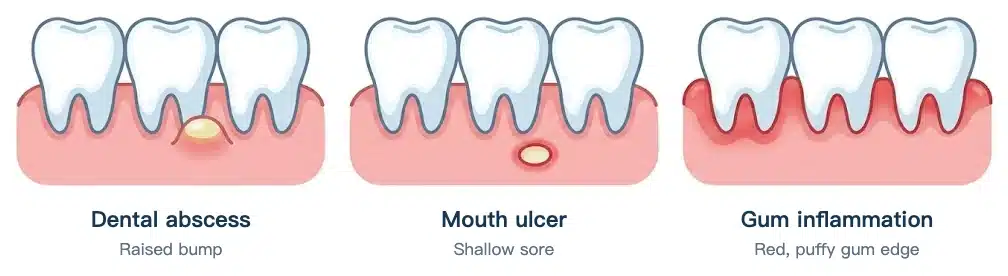
A gum bump is not always an abscess. This is how the three most common causes compare:
| Dental abscess | Mouth ulcer | Gum inflammation (gingivitis) | |
|---|---|---|---|
| Looks like | A raised bump that may ooze pus | A shallow white or yellow sore with a red edge | Red, puffy gums that bleed when brushed |
| Where | Usually near the root of the affected tooth | Inside the lips or cheeks, on the tongue or gums | Along the gumline |
| Pain | Throbbing or pain on biting, but it can also be painless | Stinging when eating or touched | Mild or none |
| Cause | Bacterial infection of the pulp or gum pocket | Irritation or stress; not a tooth infection | Plaque build-up |
| Heals on its own? | Usually not; the source needs treatment | Usually within one to two weeks | Improves with better cleaning and a scale and polish |
If the bump is raised, contains pus or keeps coming back in the same place, it is more likely to be an abscess than an ulcer. For red, swollen gums without a bump, see our guide on how to treat gum swelling and pain.
What Causes a Dental Abscess?
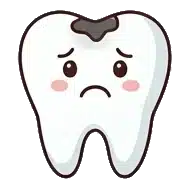
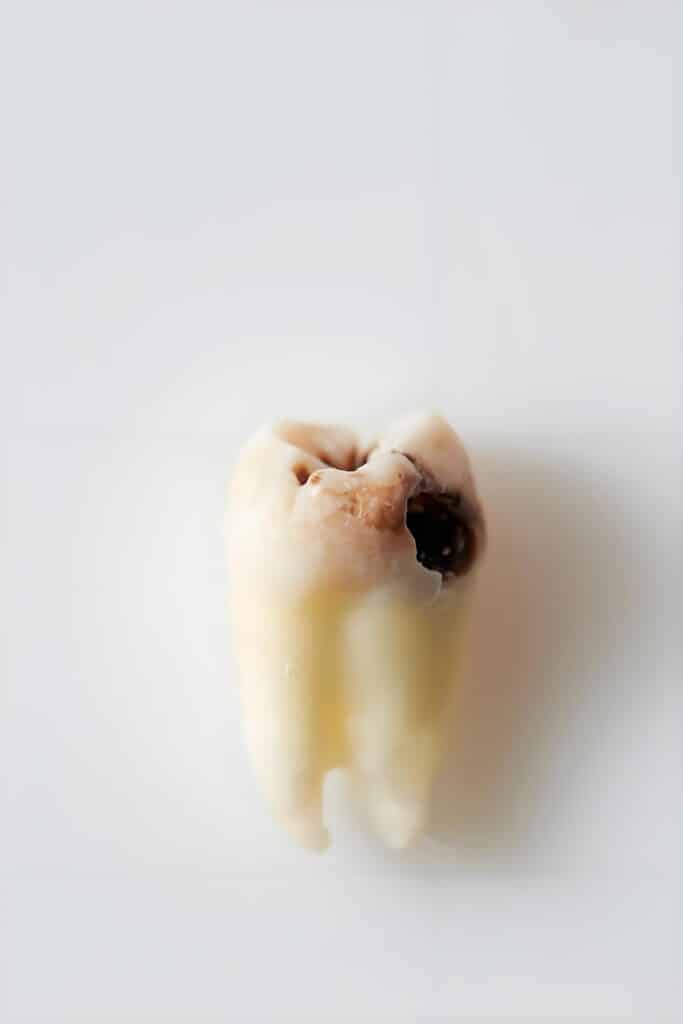
Untreated tooth decay. A cavity that reaches the pulp lets bacteria infect and kill the nerve, and the infection spreads out through the root tip. This is the most common cause. See our guide to cavities.
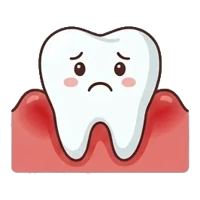
Gum disease. Deep pockets between the gum and tooth trap tartar and bacteria, leading to a periodontal abscess. See our periodontal disease guide.
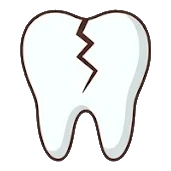
A cracked or injured tooth. A crack lets bacteria into the pulp. A tooth that has taken a hard knock can be damaged inside even when no crack is visible, and problems may appear later.
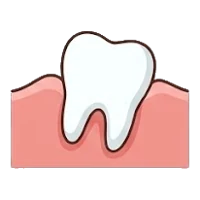
An inflamed wisdom tooth. Food gets trapped under the gum flap over a partly erupted wisdom tooth, which can form a pericoronal abscess. See our wisdom teeth guide.
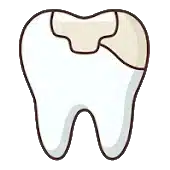
Reinfection of an old filling or root canal. A leaking filling edge, or a root canal that becomes reinfected, can cause a bump near the same tooth.
Dentists usually group abscesses by where the infection starts:
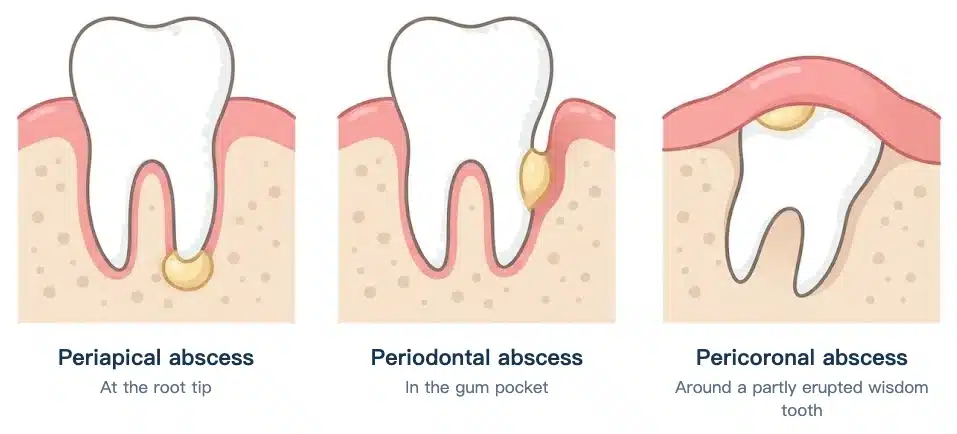
| Type | Where it starts | Common source |
|---|---|---|
| Periapical abscess | At the tip of the tooth root | Deep decay, a cracked tooth, injury |
| Periodontal abscess | In the pocket between gum and tooth | Gum disease |
| Pericoronal abscess | In the gum around a partly erupted tooth, usually a wisdom tooth | Wisdom tooth inflammation |
Signs and Symptoms of a Dental Abscess
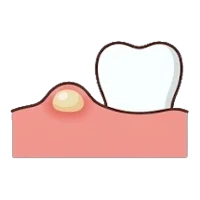
A pimple-like bump on the gum that may release pus when pressed
Constant throbbing pain, often worse when lying down at night

Pain when biting or when the tooth is tapped

Lingering sensitivity to hot or cold

Swelling of the gum, cheek or jaw

Bad breath or a bitter or salty taste

A tooth that has darkened or feels loose

Tender, swollen glands in the neck, or a fever
How Serious Is a Dental Abscess? When to Get Help

| What you notice | What to do |
|---|---|
| A bump on the gum, even without pain or swelling | Contact a dentist promptly; don’t wait for it to disappear |
| Constant severe pain that painkillers don’t ease, noticeable gum or facial swelling, or a bump that keeps returning | Call a dentist the same day |
| Facial or neck swelling that is spreading quickly (including towards the eye), swelling with a fever, or difficulty swallowing or breathing | Go straight to a hospital Accident and Emergency department |
Bump on your gum that keeps coming back?
The dentist will take an X-ray to find the source, then decide on drainage, a root canal or other treatment. Book with us:
What Is the Fastest Way to Get Rid of a Dental Abscess?
The fastest way is to see a dentist. Depending on the tooth, the dentist may drain the pus to ease pressure, and treatment of the source, such as a root canal or extraction, may start at that visit or soon after. While you wait for your appointment:
Things that help

Rinse gently with warm salt water to keep the area clean

If your cheek is swollen, hold a cold pack wrapped in a towel against the outside of your face for 15–20 minutes at a time

Raise your head on an extra pillow at night to reduce throbbing

Chew on the other side and choose soft, lukewarm food

Take painkillers as directed by a pharmacist or doctor if needed
Things to avoid

Don’t squeeze or pierce the bump; this can push bacteria deeper

Don’t apply heat to your face or mouth, which can make swelling worse
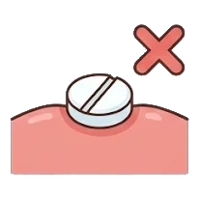
Don’t put a painkiller tablet directly on your gum; it can burn the tissue

Don’t cancel your appointment just because the pain has stopped
How Dentists Treat a Dental Abscess
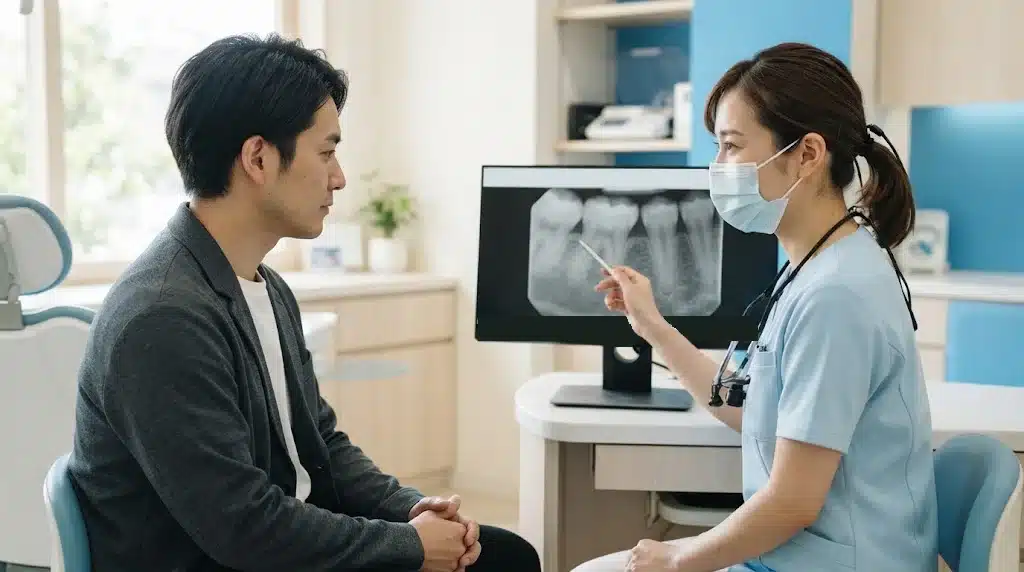
The dentist examines the area and takes an X-ray to find which tooth, and which part of it, the infection is coming from. Treatment then depends on the source:

1. Drainage
The pus is drained through the gum or through the tooth, which relieves pressure and pain. Drainage deals with the pus only, so the source still needs treatment afterwards.
↓

2. Root canal treatment
Used when the pulp is infected but the tooth can be saved. The dentist removes the infected pulp, disinfects the canals and seals them, usually over one to three visits. Back teeth are weaker and more likely to crack afterwards, so a crown is usually recommended. See root canal treatment in Tung Chung.
↓
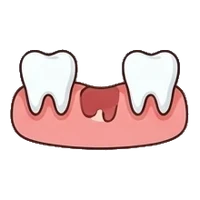
3. Extraction
If the tooth is cracked below the gumline, too badly decayed or has lost too much support from gum disease, removing it may be the better option. Replacement with an implant, bridge or denture can be discussed afterwards. See tooth extraction.
↓
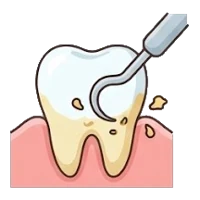
4. Deep cleaning (scaling and root planing)
A periodontal abscess needs tartar and bacteria cleaned from below the gumline, followed by gum care. See teeth cleaning.
↓
5. Antibiotics
If the infection is spreading, for example with facial swelling or a fever, the dentist may prescribe antibiotics first to bring it under control. Antibiotics support treatment; they do not replace dealing with the source.
Do Antibiotics, Painkillers or Gels Get Rid of an Abscess?
- Painkillers can ease pain for a while but do not clear the infection. If you have other medical conditions or take other medicines, check with a doctor or pharmacist first.
- Antibiotics need a prescription. They can control a spreading infection but cannot remove the source inside the tooth or gum pocket, so the abscess can return once the course ends if the source isn’t treated.
- Gels and mouthwashes act on the surface of the mouth and cannot reach the infection at the root tip or inside a gum pocket.
Medicine can buy time, but the source still needs a dentist.
How Much Does Dental Abscess Treatment Cost in Hong Kong?
The total depends on the source and the treatment needed. These ranges are taken from the Prince Philip Dental Hospital private patient fee schedule and are for reference only, not our clinic’s actual fees; your fee is confirmed after examination:
| Item | Reference fee (HK$, not our clinic’s fee) |
|---|---|
| Examination / consultation | $600–2,500 |
| Root canal treatment (per tooth) | $6,600–25,000 |
| Root canal retreatment | $8,000–20,000 |
| Simple extraction | $700–2,000 |
| Wisdom tooth removal (surgical or non-surgical) | $5,000–10,000 |
| Non-surgical gum treatment (deep cleaning, per quadrant) | $3,000–8,000 |
| Crown (per unit) | $7,700–12,000 |
These figures are for reference only, not our clinic’s actual fees. Front teeth usually have fewer root canals and cost less than molars, and a crown after a root canal is charged separately. See our Hong Kong dental fee reference for more.
How to Prevent a Dental Abscess
Have cavities filled early, before decay reaches the nerve. See tooth fillings
Have a check-up and scale and polish every 6–12 months, or more often if you have gum problems

Clean between your teeth daily with floss or interdental brushes

Get a tooth checked after a hard knock, even if it doesn’t hurt

Avoid biting hard objects or opening bottles with your teeth
Dental Abscess in Tung Chung: We’re Open on Sundays
Abscess pain is often worse at night and doesn’t always start on a weekday. Bayside Dental Tung Chung is at Shop No 26, Caribbean Square, 1 Kin Tung Road, about a 15-minute walk from Tung Chung MTR Exit B. We’re open seven days a week: Monday to Friday 09:30–18:30, Saturday 09:30–13:30 and Sunday 09:00–13:00, closed on public holidays. If you have tooth pain or a swollen face, call +852 2185 6550 and the team will try to see you the same day during opening hours. For other urgent problems, see our emergency dentist page.
Frequently Asked Questions About Dental Abscesses
Can a dental abscess heal on its own?
Usually not. A dental abscess may drain and feel better for a while, but the bacteria at the tooth root or in the gum pocket remain, so it usually comes back and can spread to the surrounding bone. A dentist needs to find the source and treat it with a root canal, extraction or deep cleaning.
What is the fastest way to get rid of a dental abscess?
See a dentist as soon as you can. Depending on the tooth, the dentist may drain the pus to relieve pressure, and treatment of the source, often a root canal or extraction, may start then or soon after. Until your visit, rinse with warm salt water and use a cold pack on the outside of your cheek for 15–20 minutes at a time.
How serious is a dental abscess?
A dental abscess is an infection and can become serious if it spreads. Facial or neck swelling that is spreading quickly, swelling with a fever, or difficulty swallowing or breathing are signs to go straight to a hospital Accident and Emergency department. Without these signs, contact a dentist promptly rather than waiting.
What is the main cause of a dental abscess?
The most common cause is untreated tooth decay that reaches the nerve inside the tooth. Other causes include gum disease, a cracked or injured tooth, an inflamed wisdom tooth, and reinfection under an old filling or root canal. An X-ray helps the dentist confirm the source.
Do you need antibiotics for a tooth abscess?
Not always. A dentist may prescribe antibiotics when the infection is spreading, for example with facial swelling or a fever. Antibiotics cannot remove the source inside the tooth or gum pocket, so the abscess can return if the source isn’t treated. Antibiotics must be prescribed by a doctor or dentist.
How much does it cost to treat a dental abscess in Hong Kong?
It depends on the treatment. Based on the Prince Philip Dental Hospital private patient fee schedule, a root canal is about HK$6,600–25,000 per tooth, a simple extraction about HK$700–2,000 and deep cleaning about HK$3,000–8,000 per quadrant. These figures are for reference only, not our clinic’s actual fees; your fee is confirmed after examination.