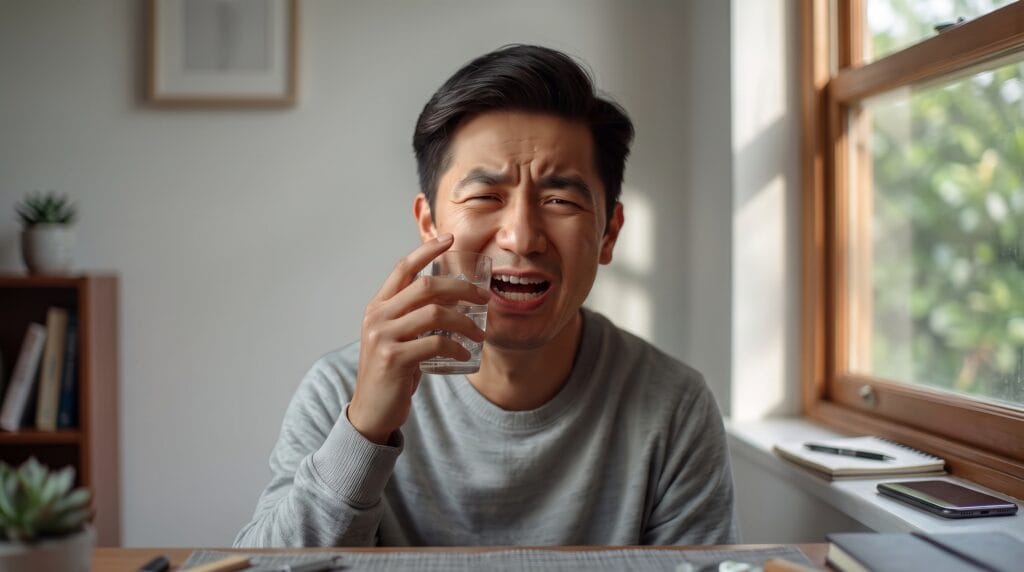
Mild tooth sensitivity after a filling may ease with food at a comfortable temperature, gentle cleaning and, if your dentist advises it, a sensitivity toothpaste. These steps suit brief symptoms that are improving. Pain every time you bite, lingering pain after hot or cold, or night-time pain needs a dental check.
How can you relieve tooth sensitivity after a filling?
The steps below can help with mild, brief sensitivity that is getting better. Contact your dentist first if pain persists, gets worse or happens every time you bite.
Choose food that is easy to chew and avoid temperature triggers
For now, avoid food or drinks that set off the discomfort, such as iced water, very hot soup or hard foods. For your first meal, try porridge, scrambled eggs or another soft food at a comfortable temperature. Take small bites. If chewing on the filled tooth hurts, use the other side temporarily and arrange a dental check. Avoid repeatedly biting on hard food to test the tooth.
Wait until your lips, tongue and cheek feel normal again if you had a local anaesthetic. Eating while numb can cause a bite injury or a burn.
Keep the area clean with a soft toothbrush
Brush gently around the filled tooth with a soft toothbrush and clean between your teeth carefully. Leaving the area uncleaned allows plaque to build up. Tell your dentist if cleaning repeatedly causes marked pain or if floss keeps catching at the filling edge.
Ask whether a sensitivity toothpaste is suitable
Desensitising toothpaste can help with some causes of tooth sensitivity. It usually takes repeated use before symptoms ease. If you have brief sensitivity to temperature after a filling, ask your dentist whether it is appropriate and follow the product instructions.
A toothpaste cannot adjust a filling that sits too high. Lingering pain also needs an assessment of the pulp and other possible causes. Our guide to teeth sensitive to cold covers sensitivity beyond the period after a filling.
Follow advice on pain relief
If your dentist prescribed pain relief, take it as directed. Before buying a painkiller, ask a pharmacist whether it is suitable for you, taking your medical history and other medicines into account. Continue to watch the symptoms even if the medicine helps, especially pain on every bite, night-time pain or swelling.
When should you contact your dentist?
| What you notice | What to do next |
|---|---|
| A mild twinge with cold water that fades quickly and is improving | Try the care steps above and monitor it. Contact your dentist if it stops improving or gets worse. |
| One tooth touches first when you close your mouth, or the same tooth hurts every time you chew | Contact your dentist promptly to have the bite and filling checked. |
| Pain that lingers after hot or cold, starts on its own or wakes you at night | Contact your dentist promptly. You do not need to wait a week. |
| A loose filling, a chip or a new sharp edge | Chew on the other side temporarily and arrange a dental check, even if it does not hurt. |
Seek urgent dental care for gum or facial swelling or a fever. Go to the emergency department if swelling in your face or neck spreads quickly, or you have difficulty breathing or swallowing.
Why does sensitivity happen, and how long can it last?
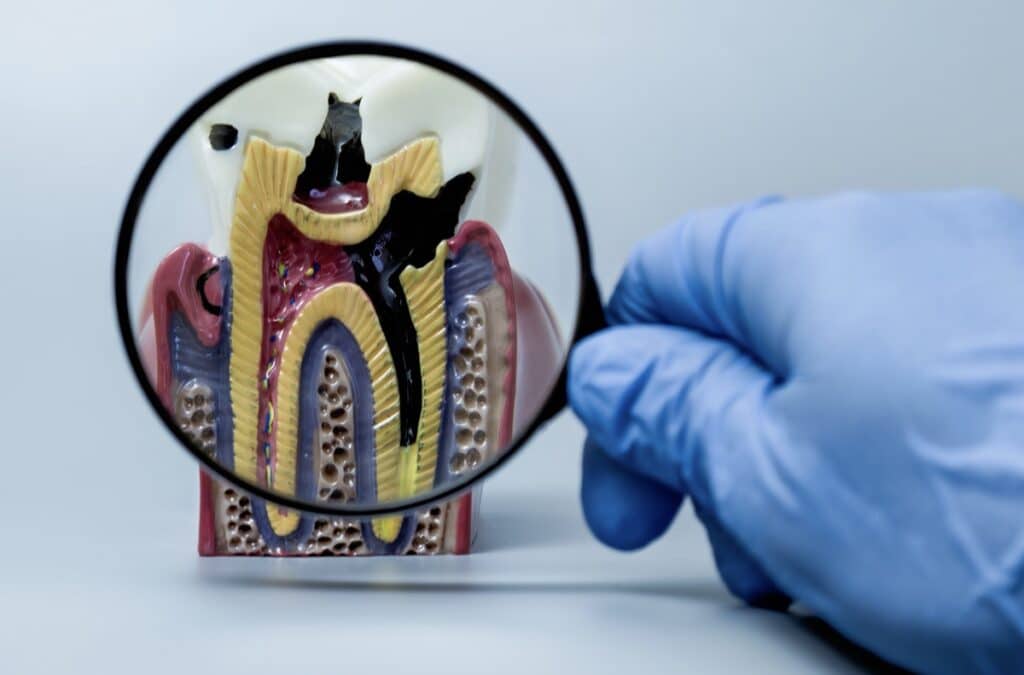
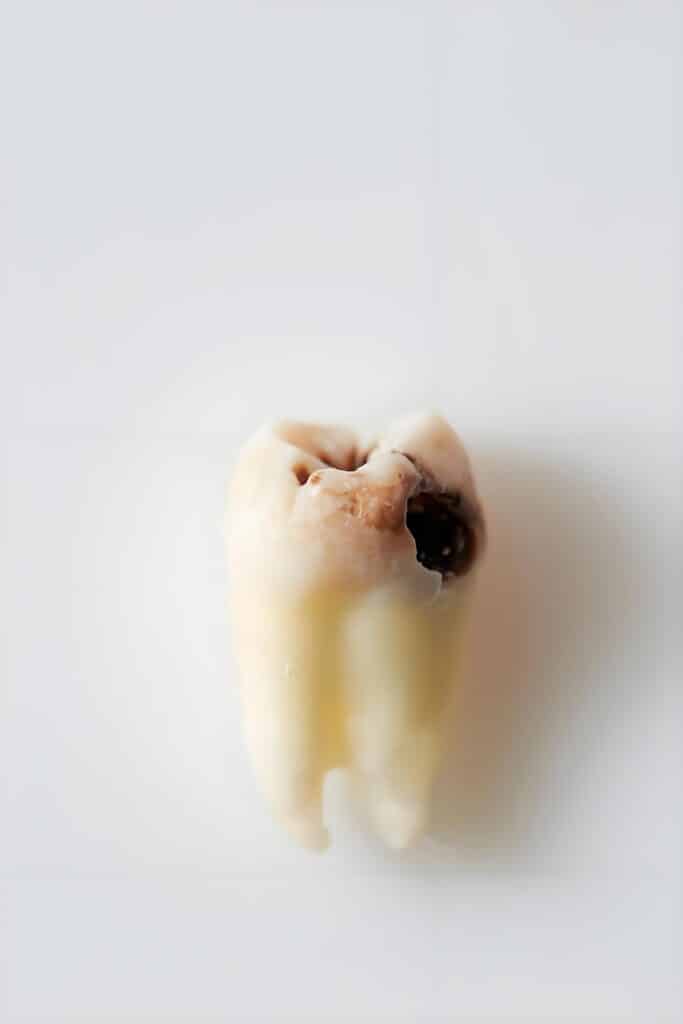
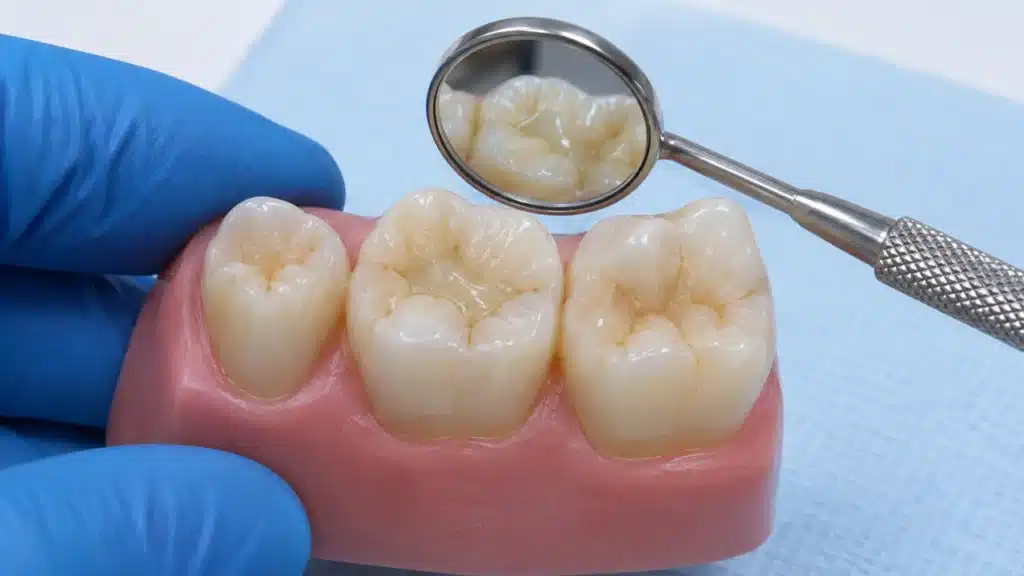
Your dentist removes the decayed part of the tooth before placing a filling. The tooth can be more sensitive to temperature or pressure for a while, especially if the original cavity was deep and close to the pulp.
Hong Kong’s Department of Health says it generally takes a few days to about a week to get used to a new filling. Mild discomfort should ease. Notice whether each episode is shorter or less intense. Contact your dentist if there is no improvement, the pain gets worse or it lingers after hot or cold. The adjustment period does not mean every type of pain can safely wait.
What will your dentist check if it hurts to bite?
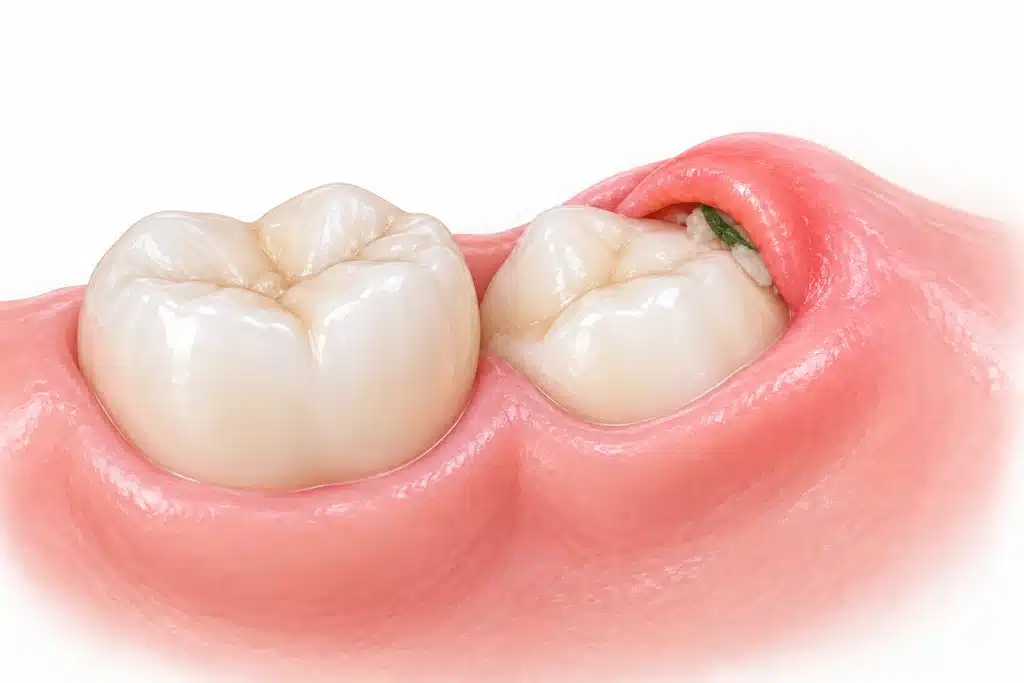
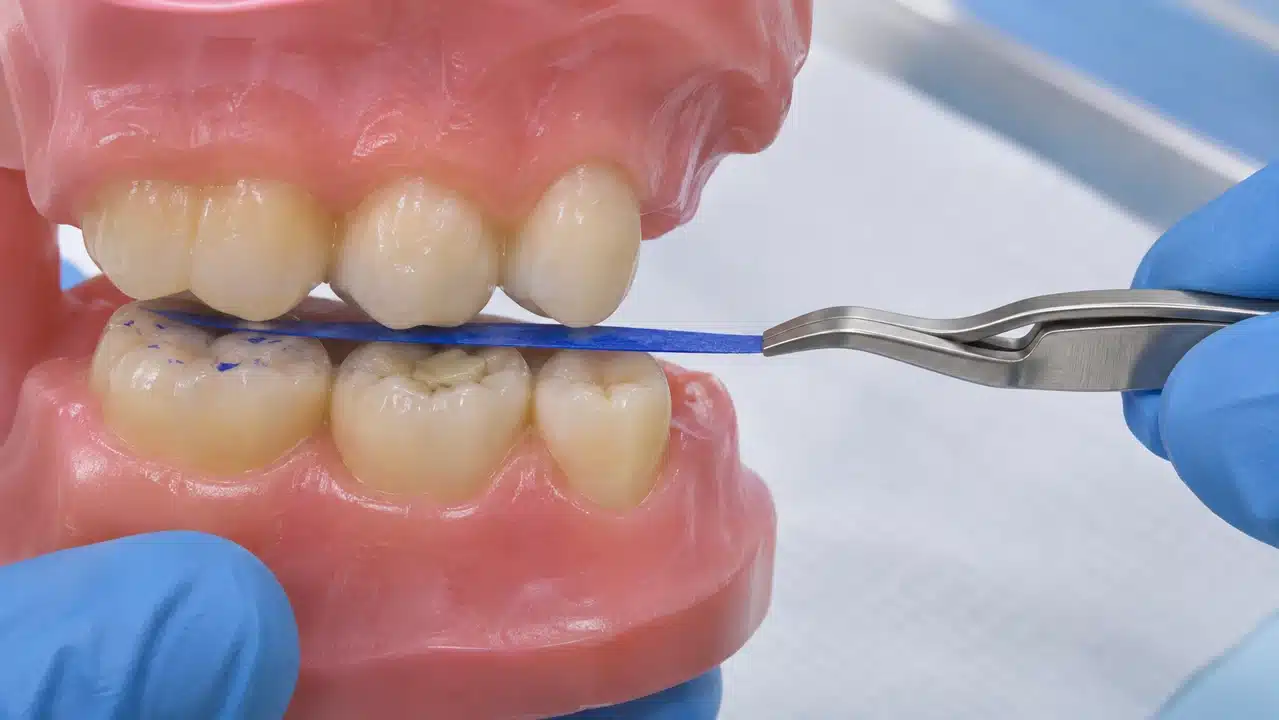
A filled tooth that touches first may be taking extra pressure. Your dentist can use thin marking paper to check where your upper and lower teeth meet and adjust the filling if needed.
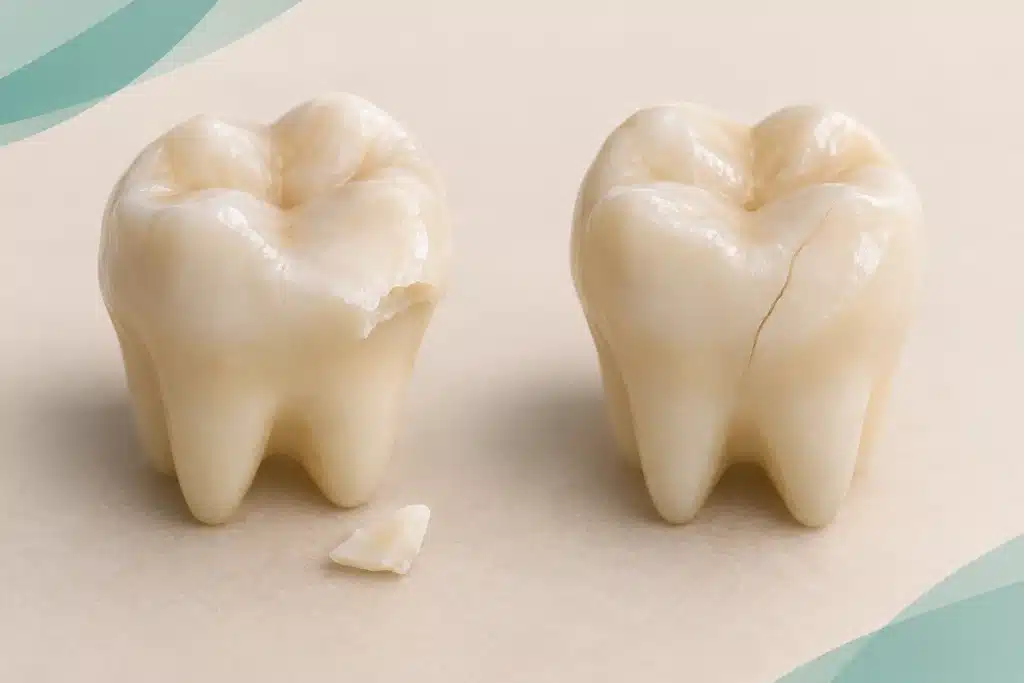
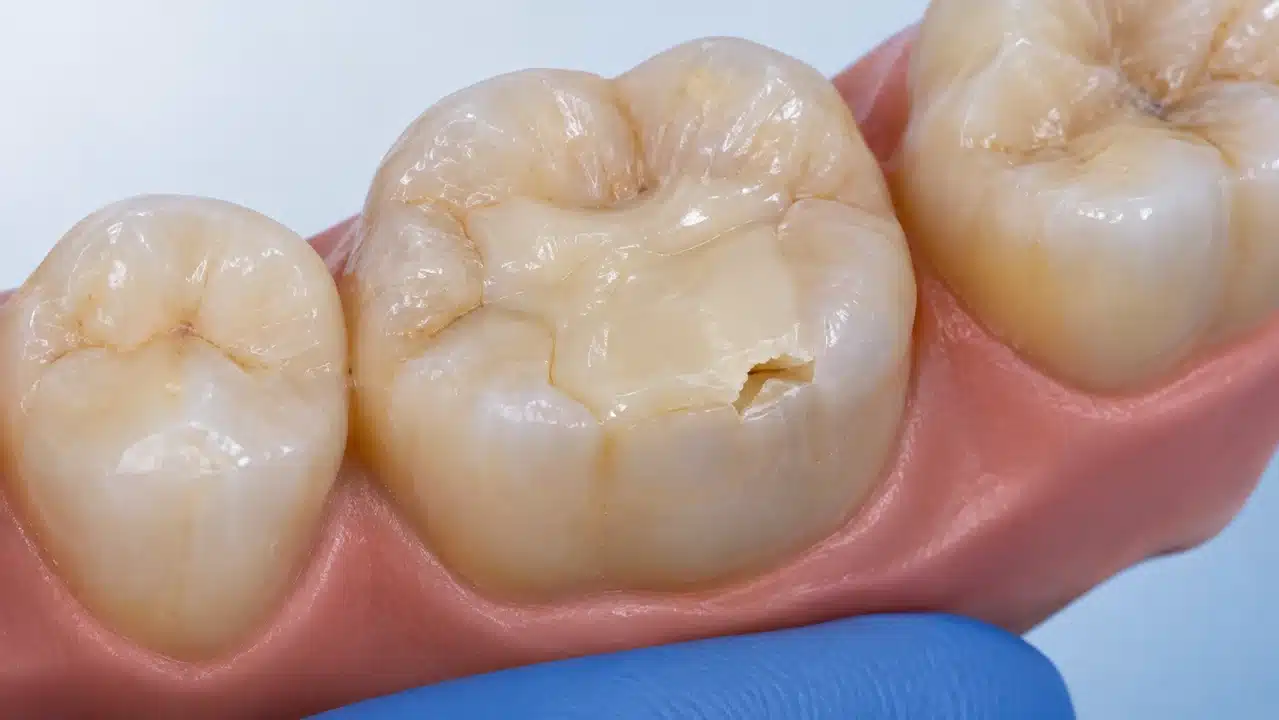
Sharp pain on biting can also occur with a loose filling or a cracked tooth. Your dentist will check the filling and tooth and assess the pulp if needed. If part of the filling is damaged, a local repair, replacement filling or crown may be considered, depending on the damage and how much sound tooth remains. If the pulp is inflamed or infected, your dentist may discuss further care, including root canal treatment.
What should you tell your dentist before the visit?
- When the filling was placed and which tooth or side feels uncomfortable.
- Whether hot or cold drinks, closing your mouth gently or chewing brings on the pain.
- How long pain lasts after the trigger stops, and whether it is improving each day.
- Any night-time pain, swelling, fever or movement of the filling.
You can contact the dentist who placed the filling first. These details help the clinic assess how soon you need to be seen.
Still getting pain when you bite after a filling?
Your dentist can check the bite, filling and tooth, then discuss care based on the findings.
When can you eat, and does the filling material matter?
A tooth-coloured composite filling is usually set with a curing light during the appointment. If you had a local anaesthetic, still wait for the numbness to go completely before eating. Follow any different instructions for another material or a temporary filling. The tooth fillings guide explains materials, fees and the procedure.
Frequently Asked Questions About Tooth Sensitivity After a Filling
When should tooth sensitivity go away after filling?
It generally takes a few days to about a week to adjust to a new filling, and mild discomfort should ease. Contact your dentist if it does not improve, gets worse or lingers after hot or cold. Seek advice sooner for pain on biting or night-time pain.
What to do when a tooth is sensitive after filling?
For mild, brief sensitivity that is improving, choose food at a comfortable temperature and clean gently with a soft toothbrush. Ask your dentist whether a sensitivity toothpaste is suitable. Persistent or worsening pain needs a dental check.
Can sensitivity toothpaste help after a filling?
It can help with some causes of sensitivity and usually needs repeated use. Ask your dentist whether it suits your symptoms. A high bite or lingering toothache needs an assessment rather than continued self-care alone.
Will a high filling wear down on its own?
If the filled tooth repeatedly touches first or hurts when you bite, ask your dentist to check whether it needs adjusting. Avoid trying to file it yourself or testing it by biting on hard food.
Does sharp pain when biting mean I need root canal treatment?
An examination is needed to decide. Your dentist will check your bite, the filling, the tooth for cracks and, where appropriate, the pulp. The findings will guide treatment.
Part of my filling chipped off but it does not hurt. Should I get it checked?
Arrange a dental check and avoid chewing hard food on that side. Your dentist can assess the damage and how much sound tooth remains before discussing the options.