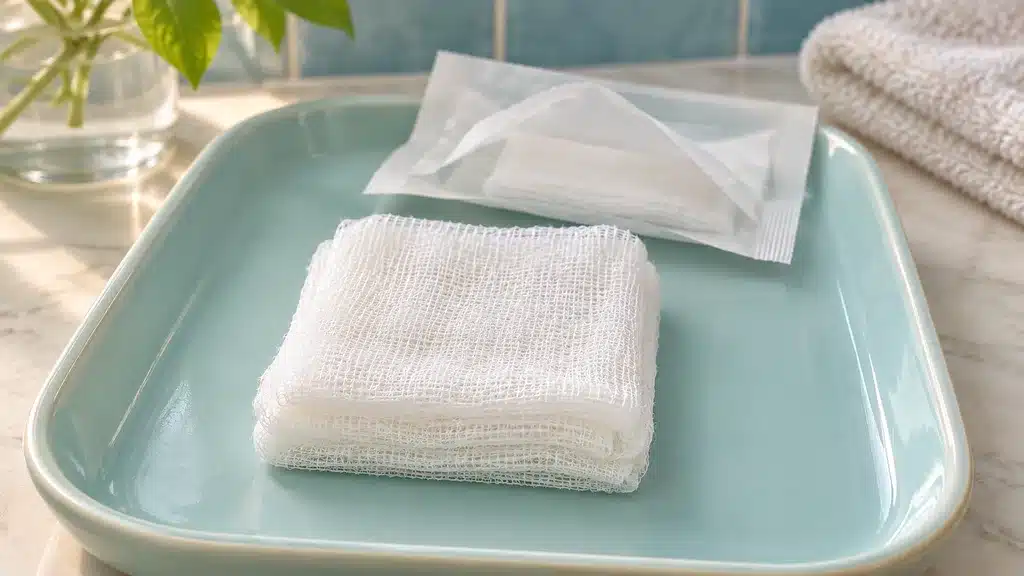
If a sharp piece of food or a slip of your toothbrush cuts your gum, press clean gauze directly onto the bleeding spot if you can see it. Go to an emergency department if your mouth is bleeding heavily and you cannot stop it. Call 999 for an ambulance in Hong Kong if you have trouble breathing. After a fall or a blow to the mouth, contact a dentist straight away, even if the bleeding has stopped and the teeth look intact.
Where should I get help for a gum injury?
Start at the top. Follow the advice for the first situation that applies.
- No, go to the next step
- No, go to the next step
- No, go to the next step
Call a dentist for advice if none of these situations fits or you are unsure how deep the cut is.
How do I stop a cut on my gum from bleeding?
- Sit upright. Fold clean gauze into a small pad and place it over the spot you can see bleeding. Use a clean cloth if you have no gauze. If you’re helping someone else, put on disposable gloves if available.
- Press directly on the spot. Keep the pressure steady and leave the pad in place. If you can see an object stuck in the wound, leave it in place, avoid pressing on it and get medical help promptly. If blood soaks through the pad, put a second pad on top and keep pressing. Get urgent medical help if the bleeding does not stop despite steady pressure.
- Arrange dental care at the same time after a blow to the mouth. Hong Kong’s Department of Health advises applying pressure to injured mouth tissue for at least 15 minutes and seeking dental care immediately. If bleeding is heavy and you cannot control it, or breathing is difficult, get emergency help straight away without waiting for the 15 minutes to pass.
If bleeding starts again after it had stopped, put clean gauze back on the spot and apply pressure. Use the guide above if you cannot stop it. If the same area bleeds repeatedly without being touched again, contact a dentist to check the cause, even if you can stop it each time.
Which injuries need attention even after the bleeding stops?
A deep cut, open edges or a puncture
Have a dentist or doctor check the wound promptly if its edges stay apart, you cannot tell how deep it goes, or something is stuck in it. They can decide whether it needs cleaning, stitches or other care. Keep toothpicks and sharp tools away from the wound. If a dirty object caused a puncture, tell the doctor what it was and when it happened so they can advise on tetanus protection.
A fall, a blow to the mouth or a change in your bite
Check whether any teeth look chipped, loose or out of line, or whether your teeth suddenly meet differently when you close your mouth. Some injuries are hard to see, so call a dentist straight away even if the teeth look intact. Go to an emergency department if you suspect a serious jaw or facial injury. Avoid wiggling a tooth or biting on hard food to see whether it hurts.
What might the dentist check at the appointment?
The dentist may ask how the injury happened and how long the gum bled, then examine the wound, nearby teeth and your bite. After a blow, the findings guide whether you need an X-ray or a follow-up appointment. Follow-up can help track changes in an injured tooth after the gum itself has healed.
What can I eat, and how should I clean around a minor scrape?
If the scrape is shallow, bleeding has stopped, and there was no blow to the mouth, you can start with home care. If chewing rubs the sore spot, choose foods that take little effort to chew, such as lukewarm congee, soft tofu or steamed egg. Set aside foods with hard or sharp edges, such as crisps and crusty bread. Avoid sour, spicy or very salty foods while they sting.

Clean the teeth beside the scrape gently
Brush the rest of your teeth as usual. Use a soft toothbrush and a light touch on the teeth beside the scrape, keeping the bristles off the wound. Once bleeding has stopped, you can rinse gently with water to clear loose food debris. Avoid applying alcohol or hydrogen peroxide to the cut. If a dentist has treated the wound, follow the care instructions they gave you.
Watch how the area feels over the next few days
Notice whether the soreness during meals or brushing gradually eases. Contact a dentist or doctor promptly if the pain is not improving, swelling increases, you notice pus or you develop a fever. Call 999 immediately if swelling makes breathing difficult.
What if a brace wire keeps scratching the same spot?
You can temporarily cover the part of the wire or bracket that rubs with orthodontic wax. Contact the clinic that looks after your braces and tell them where it rubs, whether the wire or bracket feels loose and whether it hurts when you eat. Leave wire trimming and bracket removal to your dental team.
Bleeding when brushing: a scrape or gum inflammation?
If your toothbrush slipped and one spot stung or bled a little straight afterwards, a scrape is possible. Bleeding that keeps happening when you brush, floss or bite into hard food deserves a check, especially if several areas look red or swollen. Plaque along the gumline can inflame the gums and make them bleed more easily. Arrange a dental check even if there is no pain. The location and frequency can help the dentist work out the cause during an examination.
 If you can see a scrape: Once bleeding has stopped, keep brushing the other teeth with a soft toothbrush. Use light pressure near the scrape and keep the bristles off the open wound.
 If bleeding keeps happening and you cannot see a cut: Keep gently cleaning the teeth and gumline with a soft toothbrush. Avoid hard scrubbing. Tell the dentist where the bleeding happens, how often it happens, and whether you have noticed swelling or bad breath.
Our guide to swollen and painful gums explains common causes of recurring redness and swelling.
Common questions
My child fell and their gum bled. Do they need to be seen if it stopped?
Call a dentist straight away if the fall involved a blow to the mouth or teeth. Notice whether your child avoids closing their mouth or has a tooth that looks out of place or chipped. Go to an emergency department for a serious facial injury, or if a head or facial injury caused loss of consciousness, vomiting or double vision.
Do I need a dentist if brushing makes my gums bleed but there is no pain?
Book a dental check if your gums keep bleeding, even if they do not hurt. Contact the clinic for a sooner assessment if they are very sore or swollen, or a tooth feels loose.
How long does a minor gum scrape take to heal?
A small scrape usually starts to feel better over a few days. Notice whether eating and brushing sting less. Contact a dentist or doctor if it is not improving after a few days, or if pain or swelling is increasing.
Does a white layer on the wound mean it is infected?
A small mouth wound can look white as it heals. The colour alone cannot tell you the cause. Leave the area alone and avoid scraping it with a toothbrush or finger. Get prompt care if you also notice worsening pain, swelling, pus or fever.
Can I rinse with salt water after the bleeding stops?
Once a shallow scrape has stopped bleeding, you can gently rinse with warm salt water and spit it out. If it is still bleeding, press clean gauze directly on the spot first. Follow your clinic’s instructions if a dentist has already treated the wound.
What if I take an anticoagulant and my gum starts bleeding?
Tell the healthcare professional what you take and describe the bleeding. Get urgent medical help if it does not stop despite steady pressure, and follow the healthcare professional’s advice about any change to your medicine.